



Exile plus one letter equals redemption: A rabbi’s quest to unlock the Bible’s Hebrew for Christians
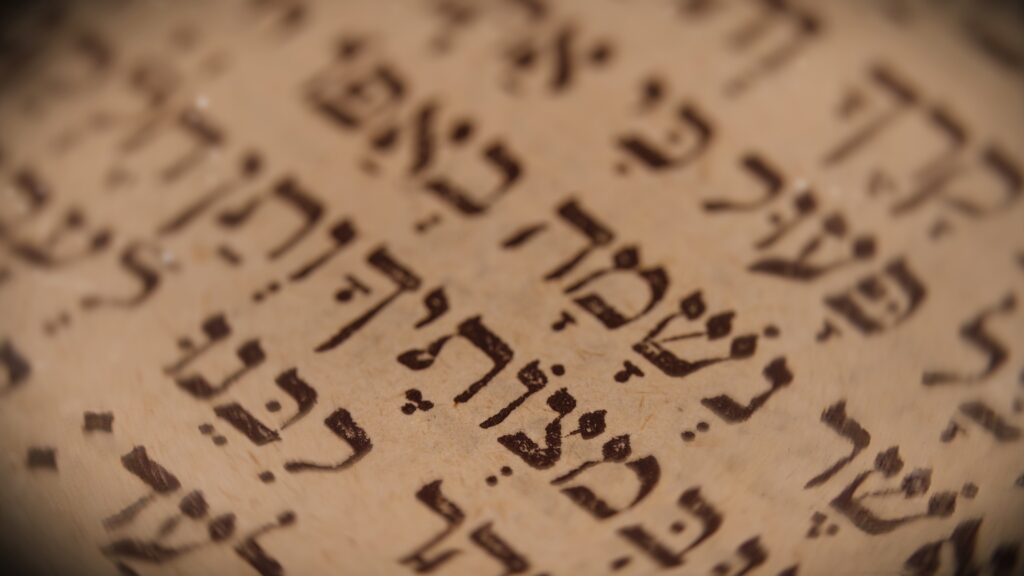
What does heaven have to do with fire and water? Why does the Hebrew word for a flimsy hut come from the same root as the word “to see”? And how does a single letter turn exile into redemption?
Ten parties, one stage, one anthem: Israel365 News hosts English-language election town hall
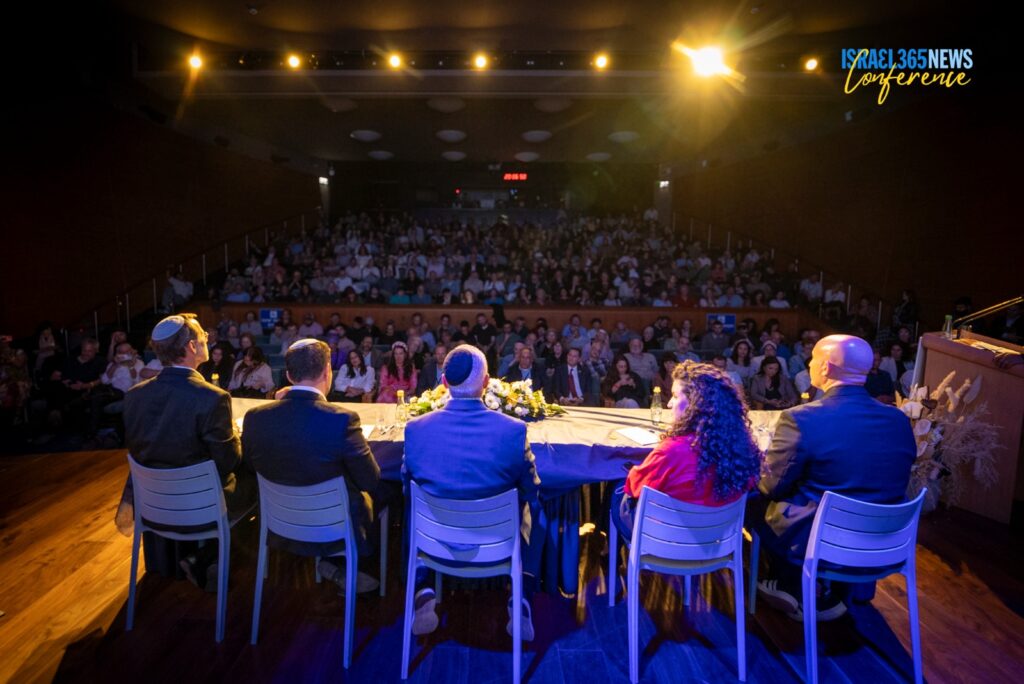
Israeli politicians are famous for shouting over each other on television panels. On Sunday night in Jerusalem, representatives of ten parties shared a single stage for two hours, answered the toughest question their opponents could throw at them.
The Jewish gift this Christian family won’t give back
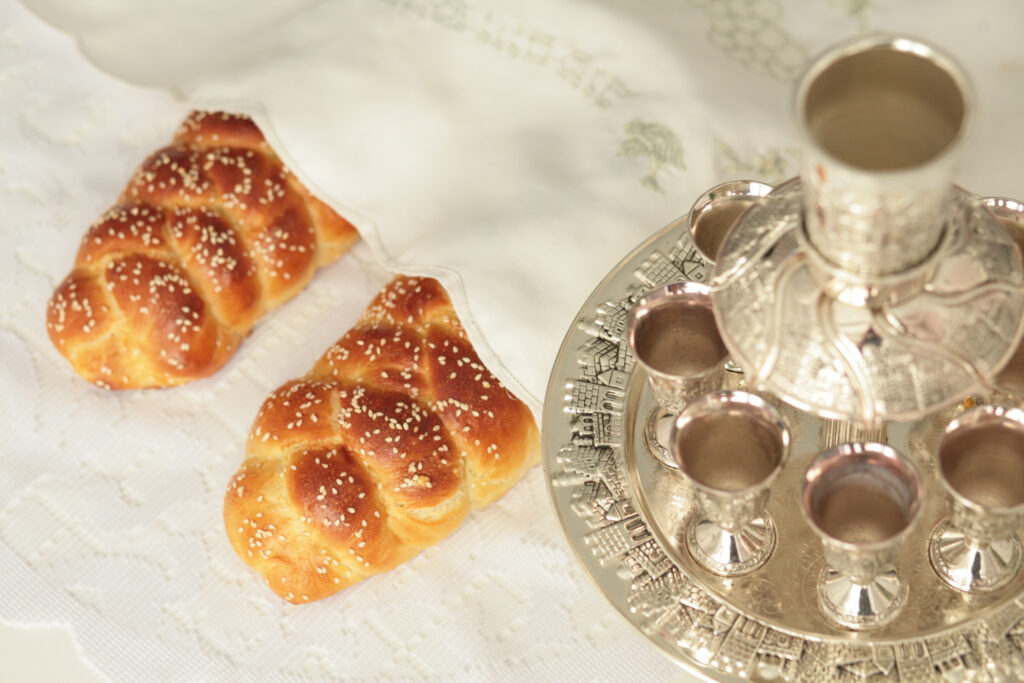
In March 2020, the Howell family sat down for their first Sabbath. They were not entirely sure what they were doing, but committed to stepping back from work from Friday night to Saturday night. It felt like a leap of faith. Within a few weeks, the entire world shut down.
Israel votes in five weeks. Its American voters could decide who wins.

Americans are watching their own midterms, but Israel votes first in one of its closest and least predictable elections in memory. Some 400,000 English-speaking Israelis, many of them Americans, represent roughly four Knesset seats.
“He was always learning”: Rabbi Pesach Wolicki remembers Charlie Kirk, one year later

One year after Charlie Kirk’s murder, Rabbi Pesach Wolicki remembers the man who inspired Israel365’s rapid-response network, and the last conversation they had.
Why your name belongs on your hand
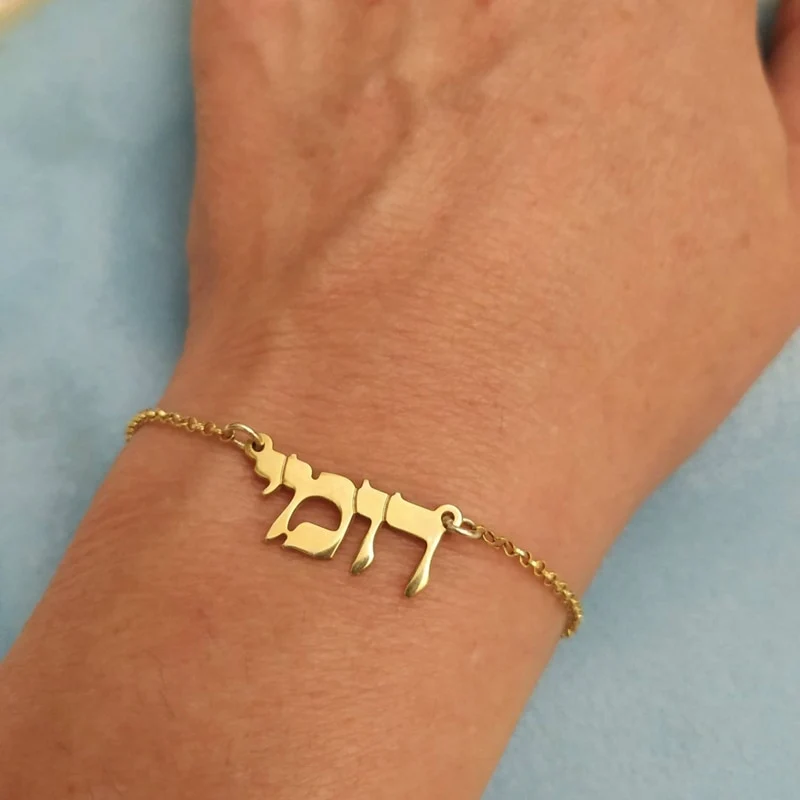
Psychologists call this externalization, the act of taking something internal, a memory, a commitment, a belief, and turning it into an object that can be touched, seen, and returned to.
The part of Rosh Hashanah most people miss
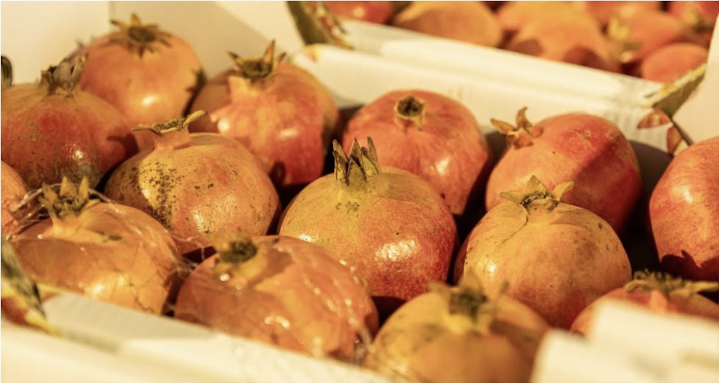
Ask anyone in Israel what Rosh Hashanah looks like, and you’ll hear the same picture: a round challah, apples and honey, a pomegranate, maybe fish, and a family gathered around a table. All of that is part of the holiday. It is not the heart of it.
Don’t wait to get inspired
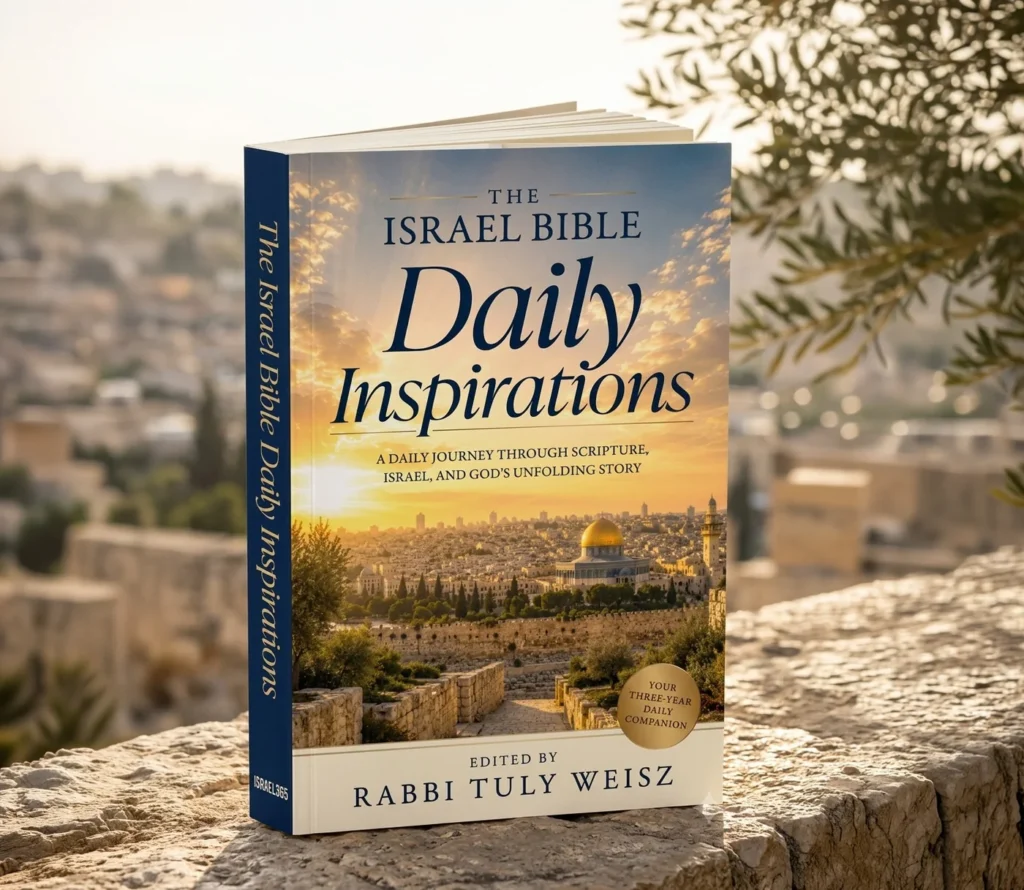
The instinct to seek out something meaningful each day is right. The places most people go looking are the problem.
Inside a historic Shabbat: Eagles’ Wings and Efrat, together at last

Last Friday night, nearly 100 young leaders from Eagles’ Wings, the Christian Zionist ministry that has brought tens of thousands of Christians to Israel, spent Shabbat as guests in the homes of more than two dozen families in Efrat, a thriving community in Judea and Samaria.
The object you look at every day is getting an upgrade
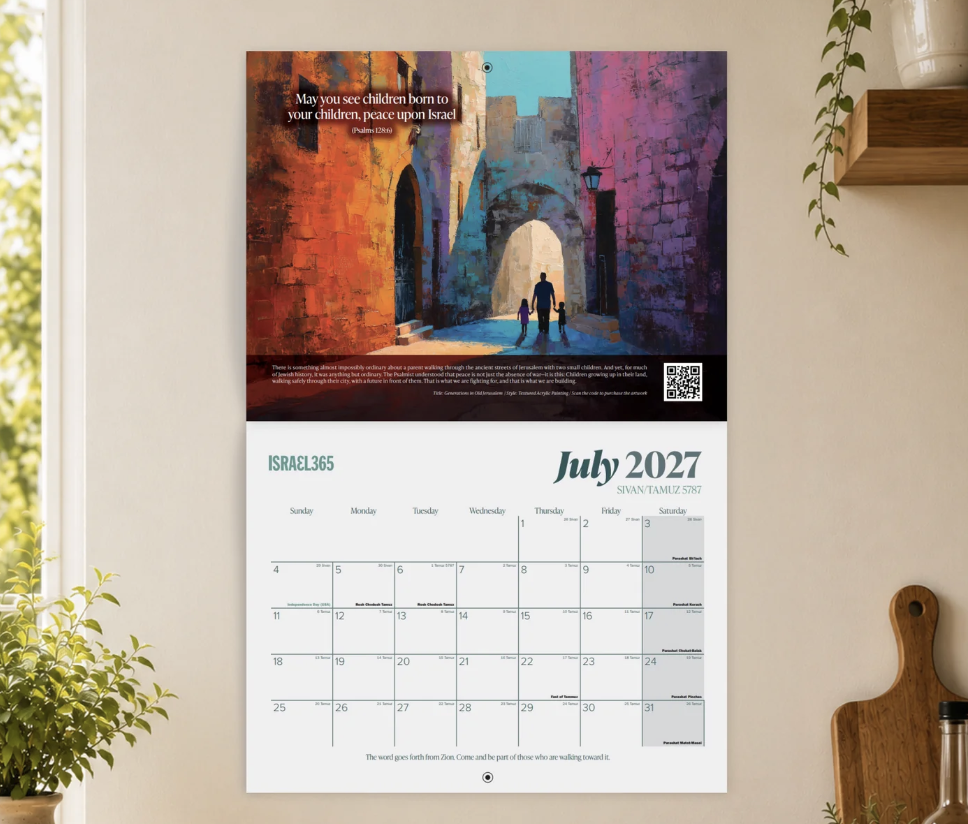
Ask someone what’s hanging in their living room, and they can tell you. Ask about the kitchen, and you’ll usually get a calendar, glanced at a dozen times a day, checked for appointments and birthdays and the date of the next dentist visit, and never once looked at as anything but a grid of numbers.