
Children who are read to regularly hear roughly a million more words by kindergarten than children who aren’t. That gap doesn’t come from flashcards or drills. It comes from twenty minutes on a lap, before bed, book after book, night after night.
I taught preschool for almost ten years before I became a mother myself, and I’ve watched this play out from both sides of that lap. Here’s what actually works, and why.
Make it routine, not an event. The same time and place each day, bedtime is classic for a reason, tells a child’s brain this is safe and worth settling into. Pediatricians point to this kind of consistency as one of the simplest, most reliable ways to build a child’s attention span and sense of security before school ever enters the picture.
Use your voice like an instrument. A different tone for each character, a pause before something big happens, a whisper to share suspense or a change. Children track emotion in your voice before they can track the words on the page, which is part of why the same story read flatly and read with feeling can feel like reading two different books.
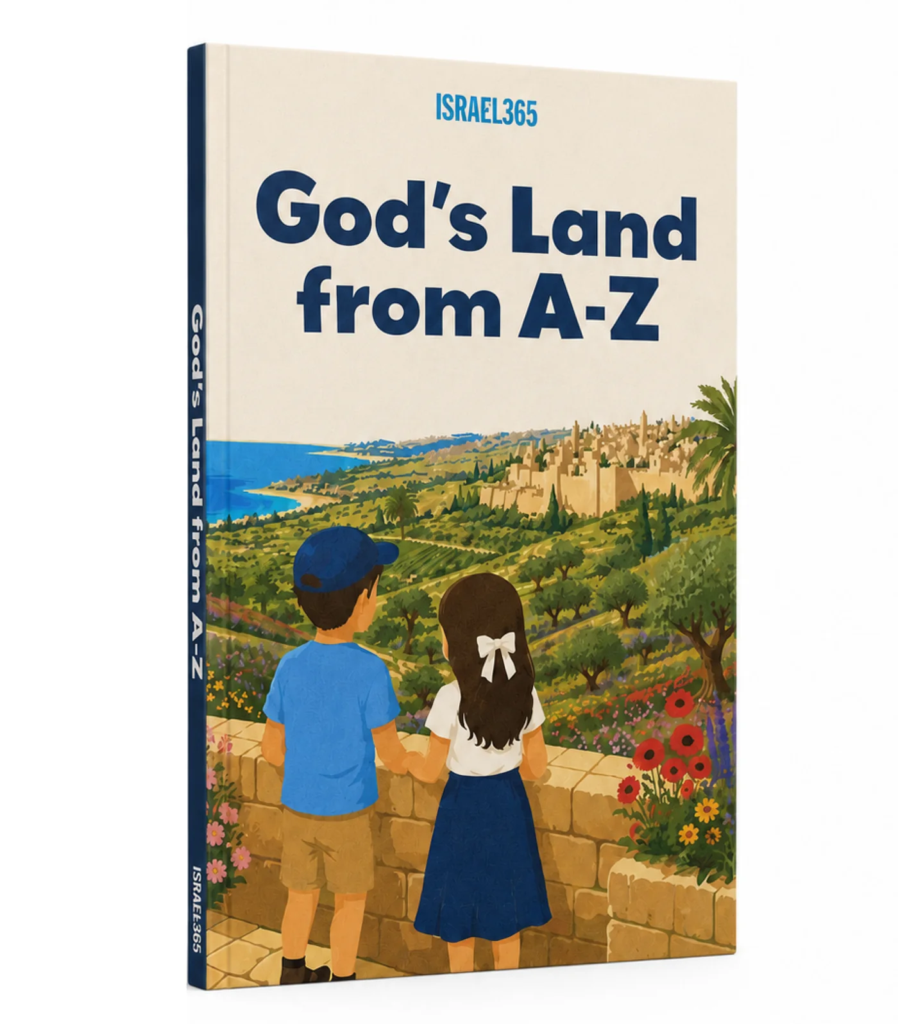
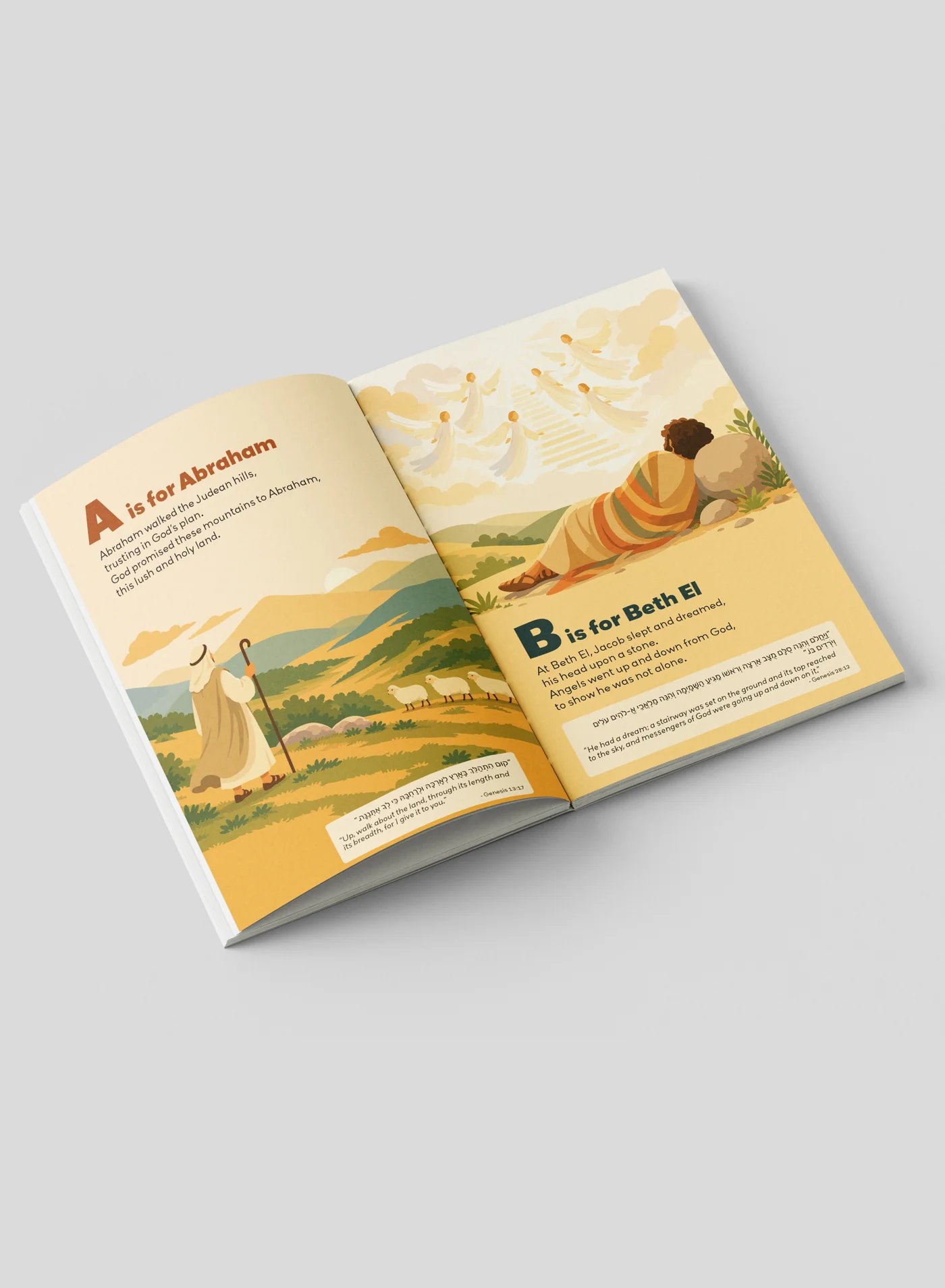
Give them something real to hold onto. For toddlers, that might mean letting them touch a textured page or point at a picture. For older kids, it means letting them chase the story past the book itself: pulling up a map of where it happened, finding a photo, asking where they’d want to stand if they could go there. Children remember what they can locate in the real world far longer than what stays trapped on a page. When I set out to write my own children’s book, this was the whole point. Every letter in God’s Land from A to Z lands on an actual place: A is Abraham crossing real hills, R is the Jordan River, the one that still runs through the Jordan Valley today, splitting open for Joshua.
Ask questions as you go. “What do you think happens next?” for a younger child, “Would you have done the same thing?” for an older one. Either way, it turns a passive listener into a participant, and researchers who study reading aloud in schools have found this kind of back-and-forth, sometimes called serve and return, is one of the strongest drivers of early brain development.
Let them ask for it again. Children request the same story over and over because repetition is how new words and ideas move from strange to familiar. Don’t fight it. It’s also why I insisted on including the original Hebrew alongside the English on every page of my book. A child who asks to hear a page for the tenth time isn’t just hearing a nice story for the tenth time. She’s hearing the actual words of Scripture, in the language they were first spoken.
Start earlier than feels necessary. More than 80 percent of a child’s brain develops in the first three years of life, well before most kids can hold a conversation. Reading to a baby or toddler who doesn’t yet understand every word is still building the pre-literacy skills, letter and sound recognition, comprehension, attention, that make learning to read easier later. It’s also how a love of books gets planted in the first place: before a child can choose to like reading, you can choose it for them.
None of this needs to be complicated. It needs to be consistent, warm, and, if you can manage it, tied to something true. Twenty minutes on a lap, one page at a time, is still one of the most powerful things a parent can do for a child’s mind, and for their heart.
Sara Lamm holds a Masters Degree in Early Childhood Special education and taught preschool for nearly a decade before moving with her family to Israel in 2021. She is the author of God’s Land from A to Z, published by Israel365.
You can purchase God’s Land from A to Z today.