Tomorrow, Israelis vote for the first time since October 7. Over the past two months, Israel365 made sure English-speaking Israelis, along with the Jews and Christians around the world who stand with Israel, did not have to follow this election from the sidelines.
On Tuesday, October 27, Israelis will elect all 120 members of the 26th Knesset and decide who governs after the 37th government of Prime Minister Benjamin Netanyahu (Wikipedia, “2026 Israeli legislative election”). It is the first national vote since the Hamas massacre of October 7, 2023, and the wars that followed in Gaza, Lebanon and Iran. It is also the first Knesset election in 38 years to arrive at the natural end of a full term instead of after a collapsed coalition (Al Jazeera, October 20, 2026).
For most of the English-speaking world, Israeli politics arrives secondhand: a hostile foreign press, a translated sound bite, a poll number with no context. Israel365 refused to leave its audience there. Through a town hall in Jerusalem, a run of candidate interviews on The Universal Zionist podcast, and a live international webinar, Israel365 put the people seeking Israel’s highest offices directly in front of English speakers, unfiltered.
One stage, one night, in English
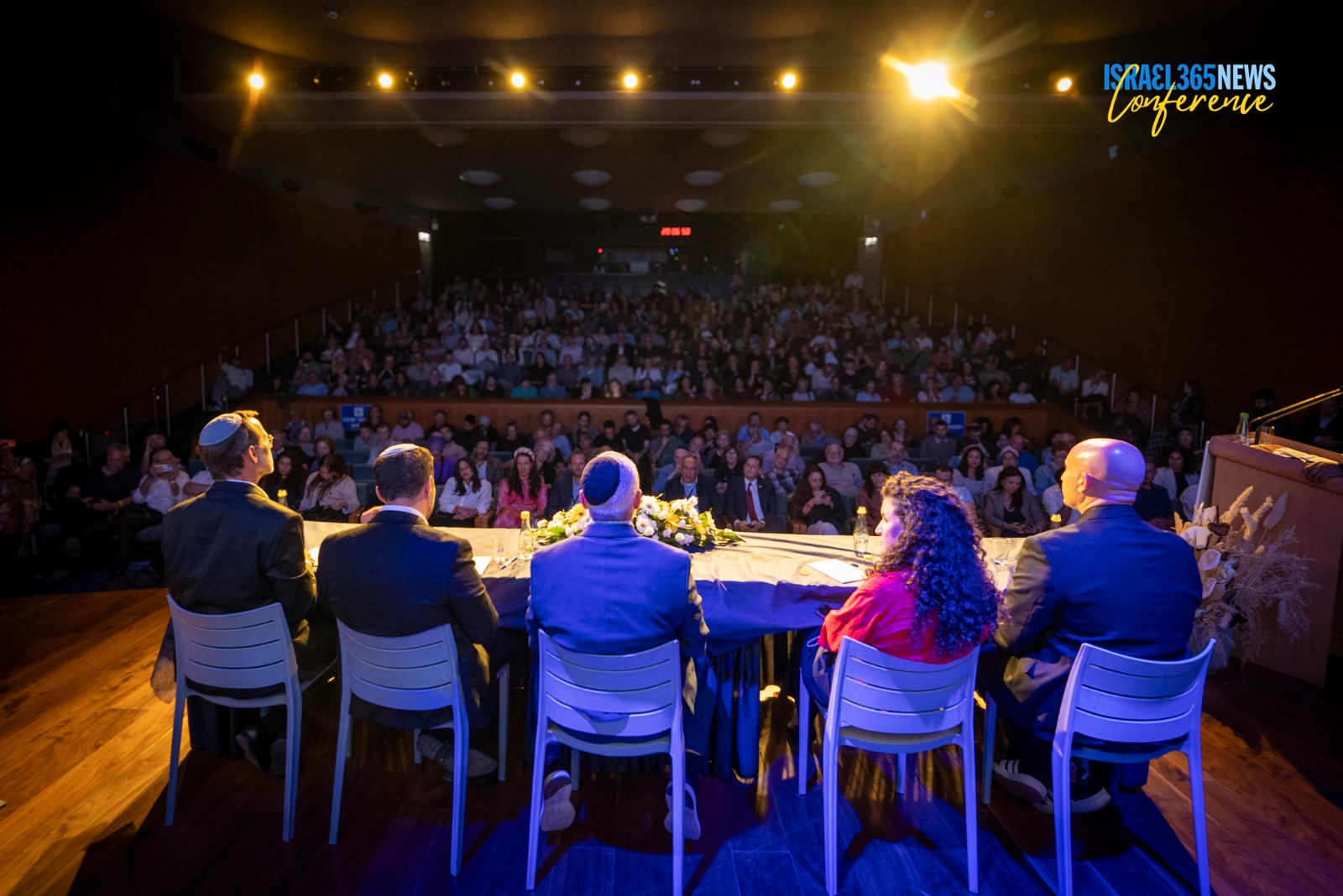
On Sunday, October 4, three weeks before the vote, Israel365 News brought the parties to the Menachem Begin Heritage Center in Jerusalem for the Knesset Elections Town Hall. Every presentation and every question happened in English.
The lineup crossed the political map: Minister Amichai Chikli of Likud, MK Ohad Tal of Religious Zionism, Yishai Fleisher of Otzma Yehudit, Mati Gill of Beyachad, Fleur Hassan-Nahoum of Amcha Yisrael, former MK Dan Illouz of Yisrael Beiteinu, Moshe Feiglin of Zehut, Dr. Einat Wilf of The Reservists, Lianne Pollak-David of Yashar and Moran Zer Katzenstein of The Democrats. Rabbi Pesach Wolicki of Israel365 News moderated.
Each party made its case, then faced the room on the issues Anglo voters care about most: security, drafting the ultra-Orthodox, the cost of living, judicial reform, religion and state, and the future of Judea and Samaria.
English speakers in Israel make up a constituency worth roughly four Knesset seats, a bloc no party has ever managed to organize. In a race where a few thousand votes can move a seat, every candidate on that stage understood what the room represented. That is why they came.
The candidates, in their own words
Rabbi Tuly Weisz, the founder of Israel365, turned his podcast, The Universal Zionist, into a running series of long-form conversations with the men and women running for Knesset. A news clip gives a candidate fifteen seconds. Tuly gave them room to explain themselves.
Mati Gill, a candidate on Naftali Bennett’s list and Tuly’s kindergarten classmate from Columbus, Ohio, made the case for Bennett: no Palestinian state, no more draft exemptions for the ultra-Orthodox, declaring Qatar an enemy state, and why he believes Netanyahu should retire. Listen to the Mati Gill interview.
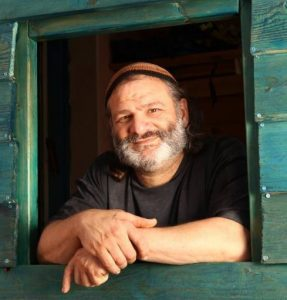
Yishai Fleisher talked about his decision to run alongside Itamar Ben Gvir, his work developing the Biblical Highway, and his strong views on the role non-Jews can play alongside the Jewish people.
Dan Illouz explained why he left Netanyahu’s Likud to run with Avigdor Lieberman and laid out the conservative agenda he plans to push in his next term. https://www.youtube.com/watch?v=KgDD8N3APIg
MK Ohad Tal of Religious Zionism, a former head of World Bnei Akiva, warned that President Trump will not be in office forever and that the American veto Israel relies on at the UN may not last. He argued the next government must be ready to say no to Washington, laid out his plan for new alliances from India to Latin America, and blamed the IDF, not the rabbis, for the Haredi draft crisis.
Listen to the Ohad Tal interview.
Fleur Hassan-Nahoum, the former deputy mayor of Jerusalem and number five on Ofer Winter’s new Amcha Yisrael list, explained where her party fits on the right and told the story of the Lion of Judah statue in Jerusalem’s Bloomfield Garden that sparked a scandal.
Listen to the Fleur Hassan-Nahoum interview.
The Universal Zionist speaks to Christians as well as Jews. That gave Israel’s friends abroad something no wire report offers: a direct line to the candidates who will shape the relationship between Israel and the nations who stand with her.
Two elections, one moment
Last night, Sunday, October 25, Israel365 News went live with “Two Elections. Two Nations. One Critical Moment,” a webinar on how the Israeli and American elections could reshape the Middle East. More than 1,000 people registered. Israel votes Tuesday. Americans go to the polls for the midterms one week later, on November 3.
Rabbi Pesach Wolicki hosted a panel that spanned both countries: Dr. Gadi Taub of the Hebrew University of Jerusalem, Marc Zell of Republicans Overseas Israel, Jonathan Schanzer of the Foundation for Defense of Democracies, Will Chamberlain of the Article III Project and the Internet Accountability Project, and Dr. A.J. Nolte of Regent University. The discussion took on Iran, the future of the Abraham Accords, and an alliance between Israel and America that depends on the leadership both nations choose in the next eight days.
A front-row seat
Israel365 News does not endorse any party, candidate, or list. Our job is not to tell anyone how to vote. Our job is to make sure our audience hears all of it, understands what is at stake, and engages with the decisions that will shape the Jewish state.
That commitment does not end when the polls close. Israel365 News will cover the results, the coalition negotiations, and the new government as they unfold, on israel365news.com and on the Israel365 News YouTube channel. [If the Election Night live broadcast is going ahead, add it here.]
This is the first election after the darkest day in Israel’s modern history. Jews and Christians around the world prayed for Israel through two years of war. They deserve more than a headline about how it turns out. They deserve a front-row seat, and Israel365 intends to keep them there.