




A rabbi and a Black itinerant pastor sat across from each other in a Dallas Starbucks, and the rabbi finally asked the question he’d been circling for months.
“Can we talk about the elephant in the room?”
The pastor wanted to know which elephant.
Replacement theology, the rabbi told him. The teaching that the Church inherited the promises God made to the Jewish people and that the covenant no longer belongs to them. Almost two thousand years of that idea shaped sermons, catechisms, and much of Western civilization.
The pastor leaned across the table.
“Those people have never read the Bible from cover to cover. Rabbi, I have read the Bible from cover to cover, and you cannot believe that the Jews have been replaced.”
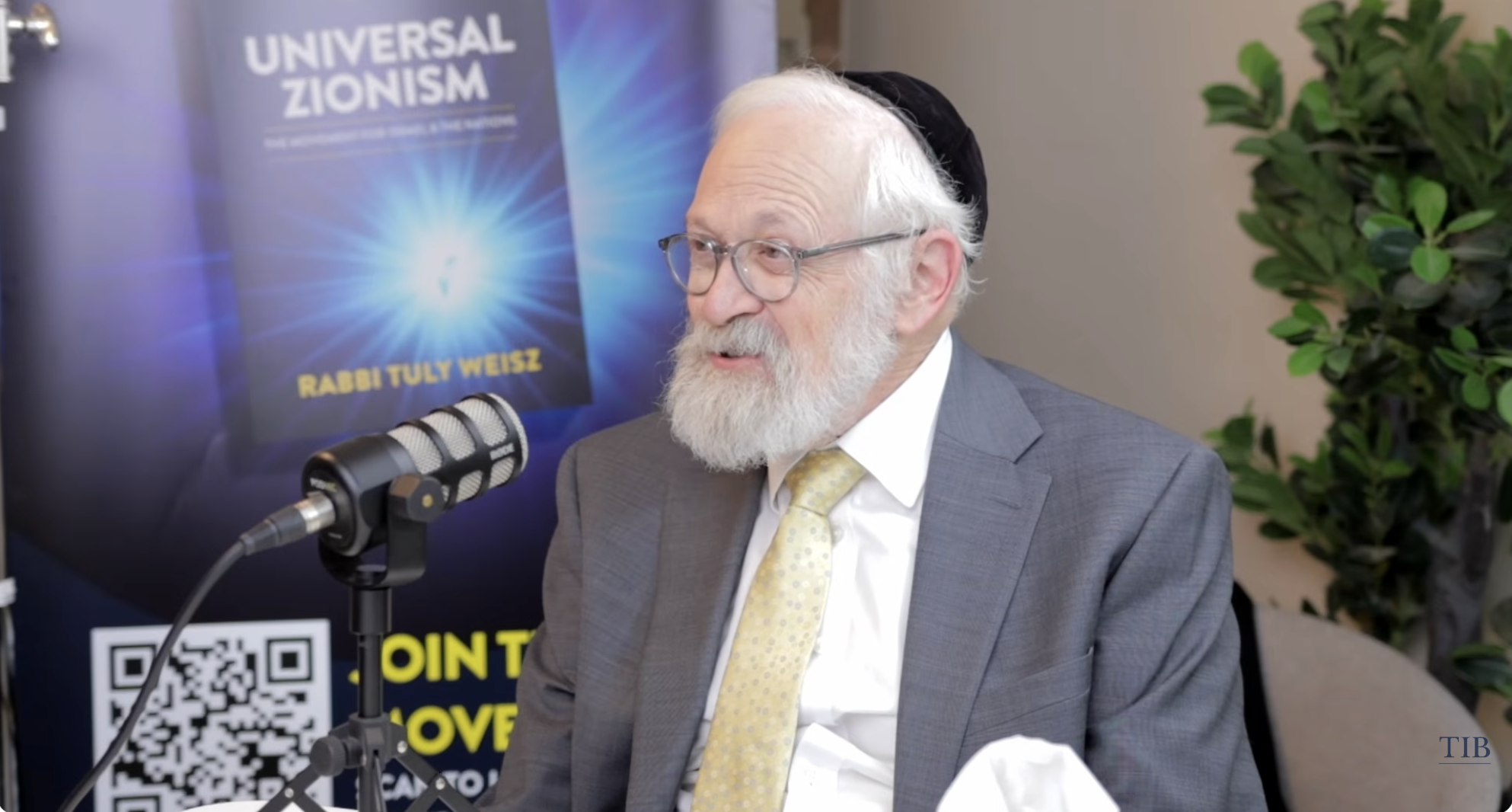
Rabbi Yitzchok Adlerstein told that story recently on Universal Zionism, the podcast hosted by Israel365 founder Rabbi Tuly Weisz. He’s been collecting moments like it for twenty years.
He spent two decades as director of interfaith affairs at the Simon Wiesenthal Center in Los Angeles, and he now heads global faith engagement at Israel365. He grew up in a survivor neighborhood in upper Manhattan, where Catholic kids taunted him on the walk home from school, and he trained for years in Orthodox yeshivas that had no interest in Christians.
Then somebody handed him a business card with the word interfaith on it, and he learned Lutheran. Then Methodist, then Episcopalian, then Presbyterian.
Here’s why that matters to anyone who loves Israel and reads the Bible seriously.
Jewish audiences ask Adlerstein the same question within the first few minutes, every time. Aren’t Christians only being nice to us because of how their story ends? Aren’t Jews just props in somebody’s end-times script?
He has fielded that question in synagogues, at lectures, and across dinner tables for twenty years, and his answer starts with an admission. Those Christians exist. He’s certain of it, and his Christian friends confirm it. After two decades of doing this work full-time, he still hasn’t personally met one.
Instead, he’s met people who take Scripture seriously enough to let it shape how they live. They read Genesis 12:3 and believe it applies to nations and to individual lives, including their own.
Adlerstein doesn’t pretend the suspicion is baseless. Two thousand years of Christian history gave Jews good reason to be cautious, and he says plainly that some people still mean them harm. His formula fits in six words: we respect, and we maintain our suspicions.
Then he stops being gentle with his own people. Wake up and smell the coffee, he tells them. Jews are living again among populations that carry real hatred, closer to prewar Europe than anyone wants to admit, and Israel needs every friend it can get.
He hasn’t freelanced any of this either. Before his first mission to the Holy Land with Christian guests, a leading Torah authority gave him one instruction:
Don’t compromise on Jewish pride.
So the rabbi with the yeshiva training and the survivor mother stands in front of Jewish audiences and tells them that many of their Christian friends are exactly what they appear to be. Then he tells them something harder, which is that these friendships aren’t only useful. They represent an opportunity Jews haven’t had in two thousand years.
He saw that again at Treblinka a few weeks ago.
Adlerstein stood in that forest beside a Catholic priest who runs a center for Jewish-Catholic understanding in Lublin. The rabbi said Kel Maleh Rachamim. The priest said Psalm 23.
Then Adlerstein used his remarks to criticize how the last two popes have addressed Israel’s right to defend herself. The press picked it up.
Afterward, the two men walked back toward the bus through the trees, and Adlerstein asked the priest whether he’d like to hear a teaching on that week’s Torah portion.
He would.
Adlerstein shared one and has completely forgotten which one it was, a detail he volunteered on the podcast without embarrassment. What stayed with him was the reaction, the same one he’s watched at his own Shabbat table many times. Christians love hearing something unexpected about a text they already treasure. It doesn’t make them Jewish, and it doesn’t frighten them. It’s the one thing on earth only the Jewish people can hand over.
The pastor in Dallas had already done his part. He read the whole book, worked out for himself what he believed about the covenant, and then waited for a rabbi willing to sit down and talk about it.
Adlerstein has spent twenty years being that rabbi.
He’d like more Jews to pull up a chair.
If you’ve ever wondered what an Orthodox rabbi really thinks about Christian support for Israel, this is the conversation where he answers it.
Click here to watch the full episode of Universal Zionism.

