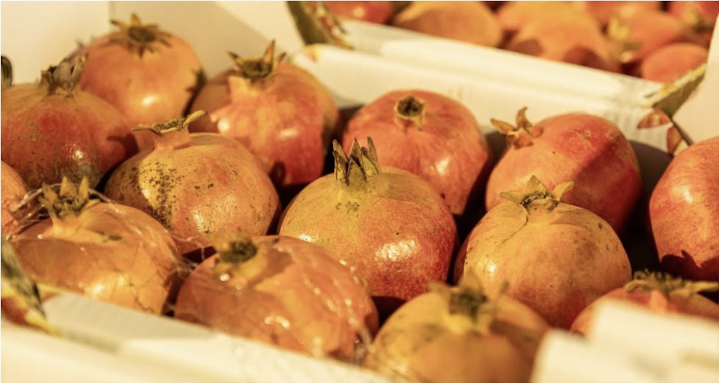
Ask anyone in Israel what Rosh Hashanah looks like, and you’ll hear the same picture: a round challah, apples and honey, a pomegranate, maybe fish, and a family gathered around a table.
All of that is part of the holiday. It is not the heart of it.
In Jewish tradition, Rosh Hashanah is the day the world stands before God in judgment. The prayers speak in the language of a courtroom. Books are opened, names are written, and a decree is issued for the year ahead.
It’s a serious day. The sweetness on the table doesn’t erase that weight. It helps us enter it with hope.
And in the middle of that solemn liturgy comes one of Judaism’s most powerful messages. Three things can change the severity of the decree: teshuvah, repentance. Tefillah, prayer. And tzedakah.
That third word deserves a closer look.
The English translation “charity” misses what tzedakah actually means. Tzedakah comes from tzedek, justice, and it carries a deeper obligation. When someone is in need, and we have the ability to help, we’re called to act.
That’s a remarkable idea. On the day we ask God for mercy, Judaism tells us to extend mercy to someone else.
And this year, there are families in Jerusalem who need it.
Latet, Israel’s leading national food bank, puts the scale of the problem in stark terms in its latest report: 26.9% of Israeli families now face food insecurity, including 10.9% facing severe food insecurity. Among the families Latet serves, nearly six in ten say their financial situation has worsened, and more than eight in ten say they have run out of food before they had the money to buy more.
That’s what food insecurity can look like in Israel. A working family stretching a grocery budget until there is nothing left. An elderly person choosing between food and another necessary expense. A parent quietly deciding which items have to come off the shopping list.
In Kiryat Yovel, a neighborhood in southwest Jerusalem, too many families are approaching Rosh Hashanah unsure how they’ll manage the holiday meal. Mothers work full days and still can’t put enough food on the table. Elderly residents decide each week what they can afford and what they’ll go without. Families who would gladly host find themselves worrying about the most basic ingredients.
These struggles stay hidden. People who need help don’t always ask for it, and nobody wants their neighbors to know. What they want is to celebrate the holiday with the same dignity as everyone else.
That’s why Israel365 is working together with Chabad in Jerusalem’s Kiryat Yovel neighborhood to bring Rosh Hashanah support directly to families in need.
The first initiative provides food baskets filled with holiday staples. They’re packed with enough to make a real difference, and volunteers hand-deliver them to families’ doors so that nobody has to stand in a line or ask anyone for anything.
The second provides a Rosh Hashanah meal for families in need, elderly residents, and people who would otherwise spend the holiday alone. Instead of facing it by themselves, they’ll sit around a table with others and welcome the new year together.
This is the deeper meaning of tzedakah. It isn’t only about giving something away. It’s about recognizing that another person’s struggle is a responsibility we share.
And by donating now, you can help make sure no one has to face the holiday alone.
The traditions of Rosh Hashanah are beautiful: the challah, the apples, the honey, the prayers for a sweet year ahead. Perhaps the most meaningful way to prepare for the new year is to make sure someone else has a reason to celebrate it.
You may never meet the family who receives your gift. They may never know your name. But because you chose to act, someone who might have spent Rosh Hashanah alone and hungry will have a place at the table and a reason to celebrate.
That is tzedakah. That is how we begin a new year.