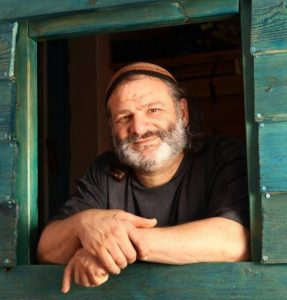


A sitting finance minister. The country’s most closely read political journalist. The Knesset member leading the sovereignty debate. The minister responsible for the settlement enterprise. Taiwan’s ambassador to Israel. The prime minister’s son. An American television actress who left Hollywood to make Israel her home.
They gathered at the David Castle in Jerusalem on Thursday evening, along with more than 200 guests, for the second Israel365 Middle East Summit. The theme was “The Path to Victory,” and the question on the table was what victory should mean for Israel nearly three years after October 7.
That question could not be settled in a single evening. What made the night matter was who had come to debate it, because many of the people in the room are already shaping the policies, arguments and alliances that will determine what comes next.
Israel365 founder Rabbi Tuly Weisz opened the program and introduced Rabbi Karmi Gross, who heads a yeshiva that prepares Haredi men for service in the IDF. After delivering a blessing in Hebrew, Gross addressed the audience in English with a direct challenge: dream big, work hard and change the world.
Smotrich recounts a private meeting with Witkoff
Finance Minister Bezalel Smotrich took the stage for an interview with journalist Amit Segal and recounted details from a closed-door meeting with Steve Witkoff.
Smotrich said the meeting took place shortly after Witkoff’s appointment as President Trump’s Middle East envoy, in a small forum that also included Strategic Affairs Minister Ron Dermer. According to Smotrich, Witkoff had visited Gaza the previous day and viewed footage documenting the October 7 massacre.
Smotrich said the footage left Witkoff deeply shaken. According to the finance minister, the envoy told him he would not allow two million Nazis to go on living beside Israeli children on the other side of a fence.
Smotrich used the account to argue for a permanent shift in Israeli strategy. Territory, he said, is the one thing that inflicts real pain on Israel’s enemies. He called on Israel to adopt a standing principle that any enemy attacking the Jewish state forfeits land and never receives it back.
He also called for Israel to maintain a security belt inside Lebanon for years, rather than return to the temporary arrangements it accepted in the past.
Smotrich rejected the Oslo framework as a failed model built on a mistaken understanding of the Jewish people’s claim to the land. Israel, he argued, spent three decades operating according to strategic assumptions that collapsed on October 7.
He praised Israeli soldiers who fight with faith and said Israel’s non-Jewish communities, including the Druze, have a place in the country’s future when they seek peaceful coexistence. Israel must move forward with confidence, he said, while maintaining its hold on the land.
Ohad Tal and the Taiwan connection
MK Ohad Tal delivered a keynote address on the Jewish people’s historic connection to the Land of Israel, declaring that the land belongs to the People of Israel and calling for courage and confidence in shaping the country’s future.
Tal recently led an Israeli delegation to Taiwan, and Taiwan’s ambassador to Israel, Abby Lee, attended the summit to discuss what the two nations share as small democracies living beside hostile powers.
Lee noted that Taiwanese companies manufacture approximately 95 percent of the world’s most advanced semiconductor chips. She welcomed the deepening relationship between Jerusalem and Taipei and described both countries as societies that have turned adversity into resilience and innovation.
Speaking on the sidelines, Tal said the summit reflected a national conversation Israel must have after two and a half years of war: what the country’s future should look like, how Israelis can reconnect with their national identity, and how Israel can win on every front.
The eighth front
A panel on public diplomacy examined what the summit program called the “eighth front,” the battle over international opinion.
Technology entrepreneur Hillel Fuld, journalist Yishai Fleisher and Rabbi Pesach Wolicki discussed how social media is reshaping global perceptions of Israel. They identified TikTok in particular as a platform eroding support for the Jewish state among younger audiences.
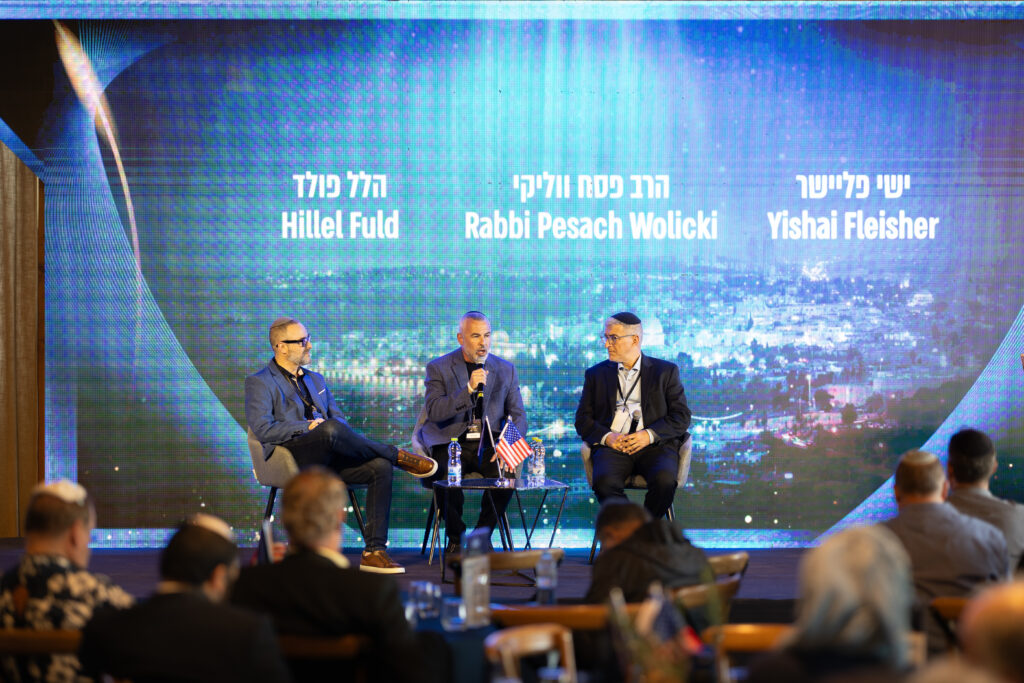
Fuld urged Israel’s defenders to stop adopting the language of Israel’s critics, stop apologizing, and begin setting the terms of the debate themselves.
Wolicki, executive director of Israel365 Action, rejected the claim that young evangelical Christians are abandoning Israel. He pointed to polling conducted among attendees at the 2025 Turning Point USA conference, which drew approximately 40,000 people, as evidence of continued support for the Jewish state among young evangelicals.
Honorees and guests
Settlements and National Missions Minister Orit Strook and Yehoshua Sherman of the Returning Home Forum each received the summit’s Outstanding Contribution to Zionism Award.
Yair Netanyahu, who recently changed his name to Yonatan Hun, is the second child of Prime Minister Benjamin Netanyahu and attended the summit.
Also in attendance was actress Diane Neal. Neal portrayed prosecutor Casey Novak on Law & Order: Special Victims Unit and appeared in NCIS and Suits before making aliyah through Nefesh B’Nefesh in 2023.
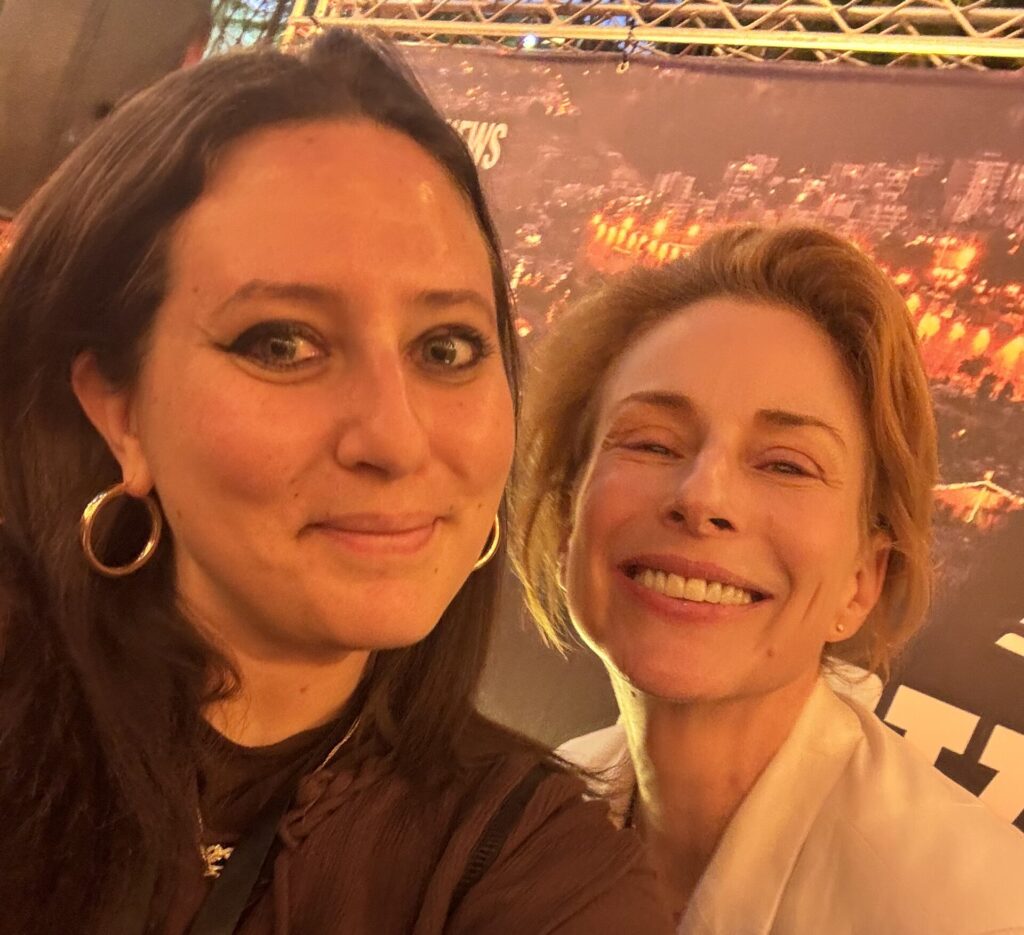
She now serves as a special envoy for aliyah with the Ministry of Aliyah and Integration and has spoken publicly about the antisemitism she encountered in the United States, as well as the backlash that followed her decision to move to Israel.
The closing conversation
Wolicki closed the evening in conversation with Tila Falic-Levi about U.S.-Israel relations.
Falic-Levi said the wave of anti-Israel protests had exposed hostility toward Israel that had been present all along. Public diplomacy alone, she argued, cannot provide an adequate response.
Israel’s supporters first need hashkafa, a grounded Jewish worldview that comes before advocacy and makes effective advocacy possible.
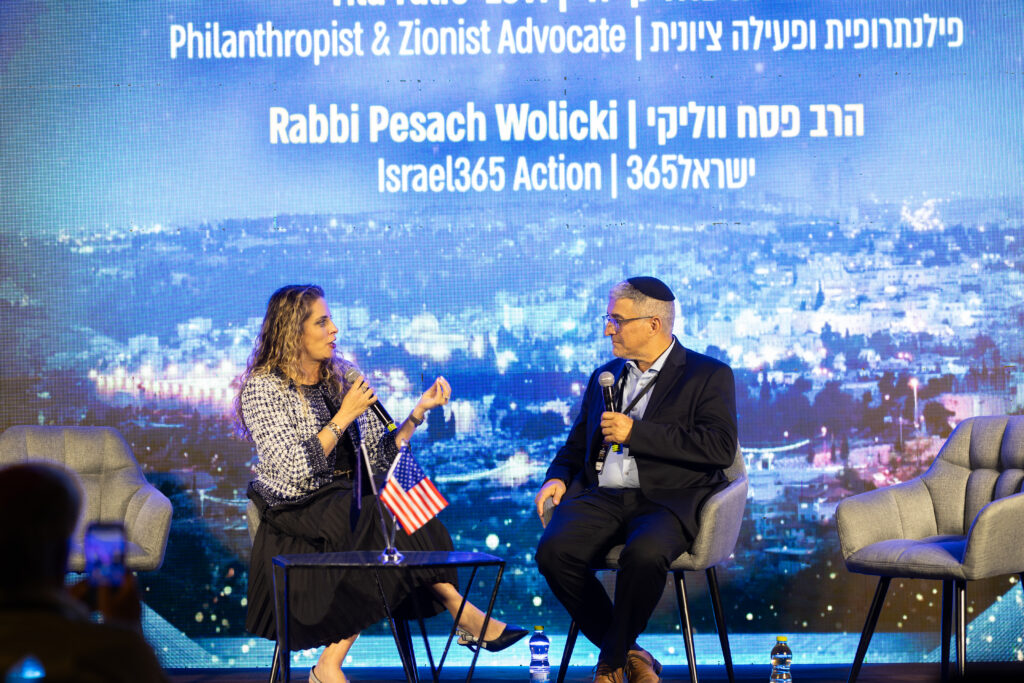
Bringing people to Israel remains one of the most effective ways to build lasting support, she added, because visitors remember how the country made them feel.
Why Israel365 brought them together
Weisz said he founded Israel365 on the belief that the Jewish people’s return to their ancestral homeland carries a spiritual mission rooted in the Bible.
When Jews abandon the Torah and attempt to live like every other nation, he said, the nations persecute them. Only when Israel fulfills its purpose and teaches the world to live according to godly values will it cease to be the world’s most condemned country and become its spiritual superpower.
Look past the stage, and the other half of the story came into view: a hall filled with people who love Israel, value its alliance with America and understand that victory will take more than military strength.
It will require clarity about what Israel is defending, confidence in its right to defend it and the resolve to shape what comes next. No summit can determine Israel’s future in a single evening, but the arguments made in that room are already helping define what Israeli victory will mean.