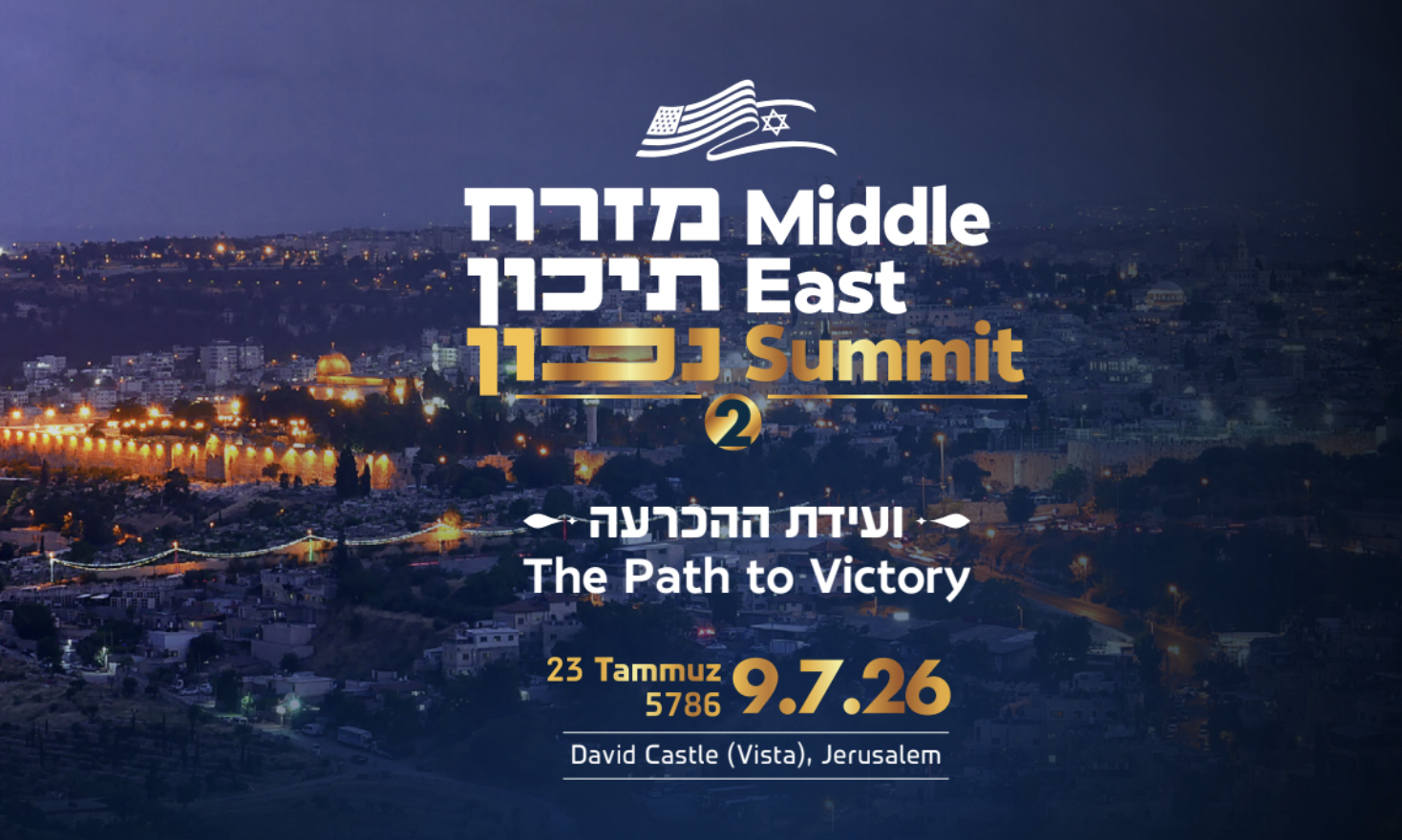
Tonight, some of the most influential figures in Israeli public life — Cabinet ministers, ambassadors, Members of Knesset, journalists, and leading thinkers and activists — will gather in a hall overlooking the walls of Jerusalem’s Old City to debate the future of the Jewish state. They are convening for the second Middle East Summit, hosted by Israel365, at a moment when the questions facing the country could hardly be sharper.
Israel is not the country it was on October 6, 2023. In the years since, it has broken Hamas’s grip on Gaza, decapitated Hezbollah, struck Iran directly, and watched the regional order rearrange itself around a Jewish state that no longer flinches. The map is being redrawn in real time. Tonight’s summit is an attempt to read it before the ink dries.
The evening is a working conversation among the people who actually make Israel’s decisions, organized around four questions that will shape the next decade — each one carrying stakes that reach well beyond the room.
The first question is about security. For thirty years, Israel absorbed attacks and answered with restraint, betting that deterrence and the occasional withdrawal would keep the peace. October 7 shattered that assumption. Tonight, senior officers and lawmakers will discuss what should replace it: a new security doctrine built around achieving clear victory rather than simply managing the threat. The session traces how Israel’s thinking has changed, from the IDF’s ethical code to the hard lessons of the Oslo years.
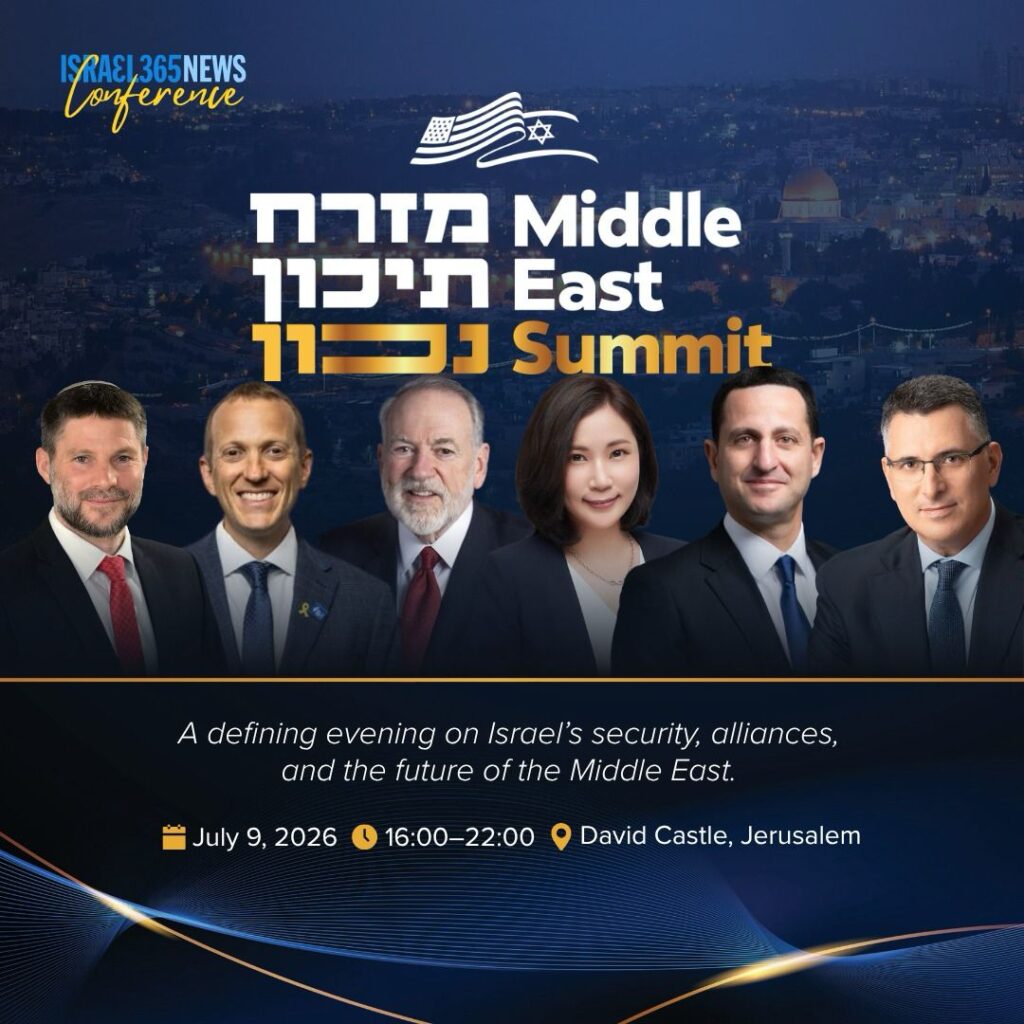
The second question is diplomatic. Israel has won on the battlefield, but it faces growing pressure in the world’s capitals, media, and international institutions — what the summit calls the “eighth front.” This session looks at how Israel’s alliances are changing, including new partnerships that seemed unlikely just a few years ago. Taiwan’s representative to Israel is expected to speak — a sign of the deepening bond between two small democracies that each live beside a powerful and hostile neighbor.
The third question is the most contested: sovereignty over Judea and Samaria. Should Israel extend its law across the biblical heartland, and what kind of state does it want to build there? This was the central theme of the first Middle East Summit in 2024, which grew out of David Friedman’s book making the case for one Jewish state. Since then, an idea once dismissed as fringe has moved into the mainstream of Israeli politics — and tonight it returns as a live debate among people with the power to act on it.
The fourth question turns to the economy. A country of just ten million people has become a global center of innovation, and this session focuses on the investments and technologies that will drive its next stage of growth — proving that a small nation can turn its size into an advantage.
The summit is the work of Israel365. Its founder, Rabbi Tuly Weisz, opens tonight’s program, as he did the inaugural gathering two years ago. And Rabbi Pesach Wolicki, executive director of Israel365 Action and one of the most sought-after analysts on Israel and the Middle East, is slated to weigh in on the future of the U.S.-Israel relationship.
None of these questions will be settled in a single evening. But tonight they bring Israel’s ministers, diplomats, and leading analysts into the same room — at a moment when the country’s direction is still very much unwritten.