The Hebrew calendar does not begin just once. It resets four times a year, each “New Year” marking a different aspect of life. One of the most intriguing is Tu B’Shvat, the New Year for Trees, a quiet date tucked into the heart of winter.
At first glance, Tu B’Shvat seems modest. It began as a technical cutoff for tithing fruit. Over time, it became something far richer: a meditation on growth, resilience, and the hidden processes that shape both people and nations long before change is visible.
For many students of the Bible, that depth often goes unexplored. Holidays are reduced to rituals, symbols are flattened, and context is lost. If you have ever felt there was more beneath the surface, more history, more meaning, more connection to the land itself, you are not imagining it.
A New Course for a Deeper Look
This Tu B’Shvat, Bible Plus is launching a new course, The Secrets of Tu B’Shvat, designed for learners who want substance rather than slogans. The course explores the historical, botanical, and spiritual layers of the day, and explains why this seemingly minor holiday carries such weight in the Hebrew Bible.
The Sap Begins to Rise
In the Land of Israel, Tu B’Shvat marks a subtle but decisive shift. The winter rains have done their work. Though the branches remain bare, the sap begins to rise.
As educator Shira Schechter explains in the course:
“On Tu B’Shvat, the fruits aren’t visible yet, but it is the moment when dormancy ends and growth begins beneath the surface. What we’re celebrating is the belief that something real is already happening, even if we can’t see it.”
That idea, growth before visibility, sits at the heart of Tu B’Shvat. It offers a framework for understanding personal development, faith, and national renewal.
From Law to Landscape
Tu B’Shvat is inseparable from the Land of Israel itself. Its laws apply only within the land, grounding the holiday in physical geography, agriculture, and history.
For centuries, the land lay desolate. The modern return of the Jewish people and the transformation of the desert into farmland gave Tu B’Shvat new resonance. Planting trees became an act of faith and continuity, linking ancient law to modern revival and echoing the biblical promise that a barren land would one day bloom again.
What the Course Covers
The Secrets of Tu B’Shvat walks through the ideas that shape the day, including:
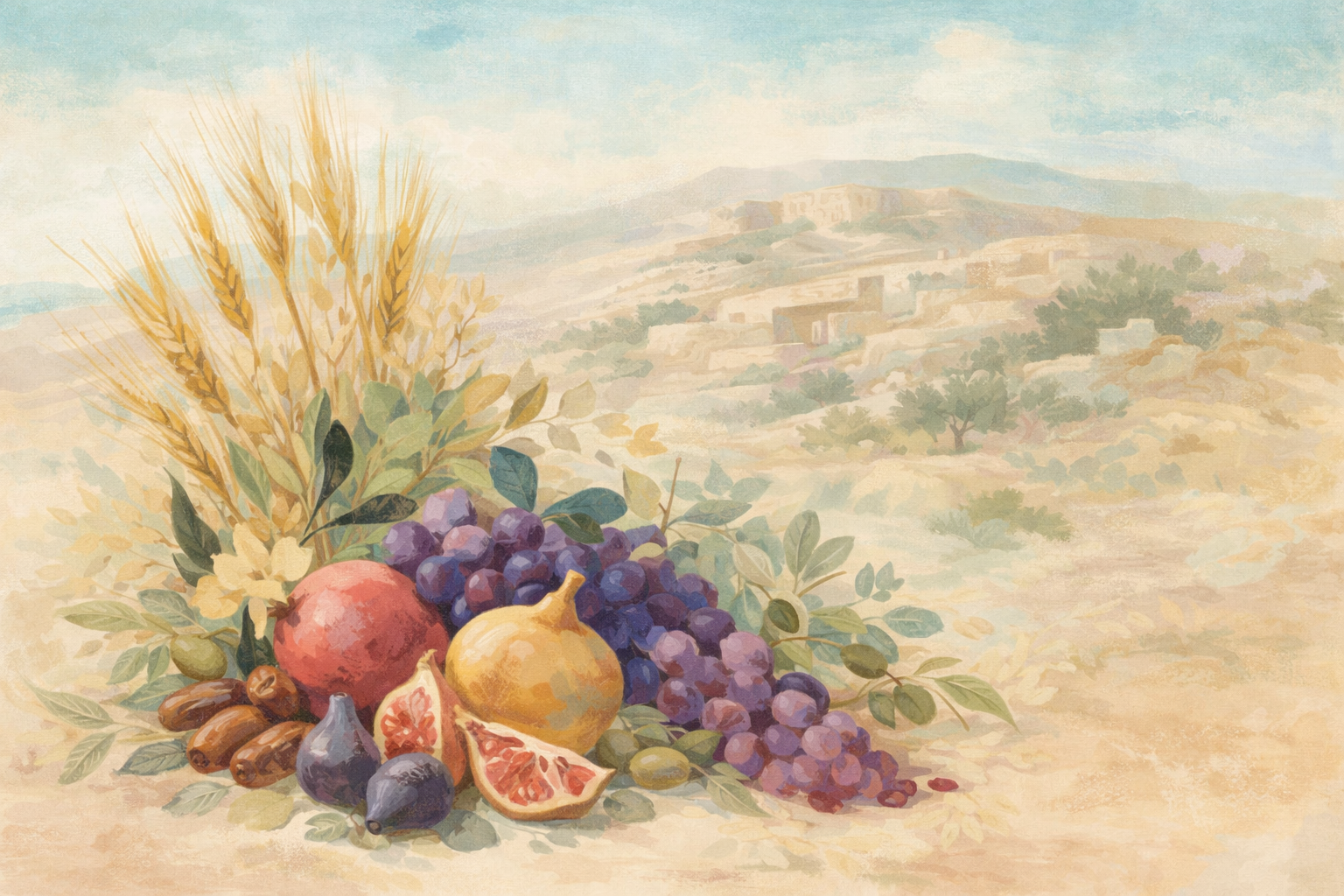
- The Seven Species
What the fig, olive, grape, and pomegranate reveal about character, faith, and biblical values - Law, Land, and Meaning
The biblical and rabbinic sources behind Tu B’Shvat - Man as a Tree
How the tree metaphor frames growth, roots, responsibility, and fruit
Beyond Tu B’Shvat
The course also serves as a gateway into the wider Bible Plus library, which includes:
- Book-by-book studies of the Hebrew Bible
- In-depth character analysis
- Historical and contextual courses that place the text in its ancient setting
Membership options:
- Annual membership: $5 per month, billed annually at $60 (this is the best value!)
- Monthly membership: $7 per month
The depth you have been looking for is here. If you’re interested in joining, click here.