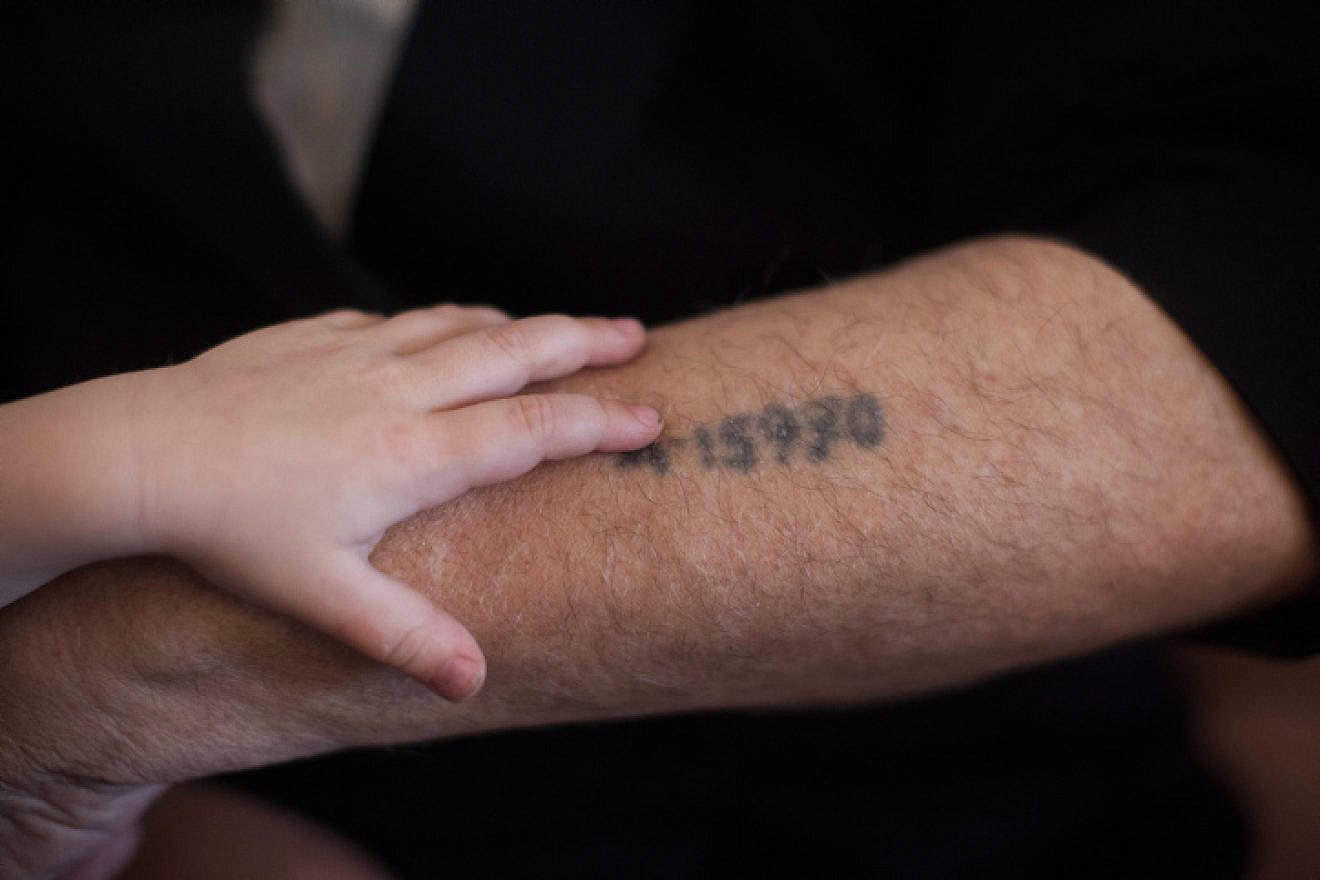
Today, on International Holocaust Remembrance Day, the world reflects on the murder of six million Jews and on the survivors who carried unimaginable loss into the future. Across countries and cultures, names are read, candles are lit, and stories are told, often with the promise that remembrance itself carries responsibility.
But remembrance on its own is not enough.
Israel is home to roughly 165,000 Holocaust survivors, most now in their late 80s and 90s. More than a third live below the poverty line. Many survive on fixed incomes that barely cover food and medication, let alone the cost of repairing aging homes. As the survivor population rapidly declines, the urgency to care for them in their final years grows sharper with each passing year.
For thousands of Israel’s elderly, many of them Holocaust survivors, daily life is shaped less by dignity than by danger.
Israel has more than one million senior citizens. A significant portion live in public or older housing built in the 1950s and 1960s, long before anyone accounted for limited mobility, assistive devices, or the physical realities of aging. These buildings were never designed to carry people safely into old age.
Official reports and investigative journalism have repeatedly shown that Israel’s public housing system is under severe strain. Long waiting lists, apartments declared uninhabitable, and years of underinvestment have left tens of thousands without safe living conditions. One investigation found hundreds of public housing units deemed unfit for habitation and more than 30,000 people waiting for housing solutions, including apartments suitable for elderly residents.
For many seniors, home is no longer a refuge. It is a daily risk.
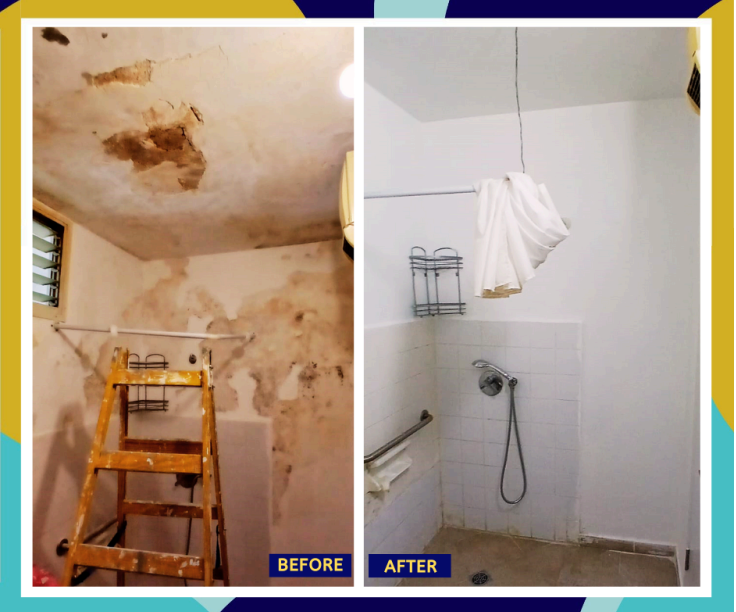
Faulty electrical systems increase the danger of fires. Mold spreads through walls and lungs. Bathrooms, never designed for aging bodies, become the most dangerous room in the house. A single fall can mean hospitalization, permanent loss of independence, or forced relocation to institutional care.
These are not inconveniences. They are threats to health, dignity, and life itself.
Many of the people living under these conditions are Holocaust survivors. Others are immigrants who arrived with nothing and helped build Israel in its earliest decades. They worked the land, served in wars, raised families, and held a fragile nation together through uncertainty and conflict. Today, many live alone. Their bodies no longer allow them to fix what has broken, and the systems meant to protect them are overwhelmed.
Since October 7, the situation has only worsened. Damaged infrastructure, unsafe shelters, and delayed repairs have disproportionately harmed seniors. When sirens sound, many cannot reach protected spaces in time. When basic systems fail, help often arrives late, or not at all.
At Israel365, we see this reality firsthand. Our work centers on strengthening Israel’s relationship with Bible-believing Christians around the world, but responsibility cannot stop at remembrance ceremonies or expressions of solidarity. It must extend to protecting the people who made Israel possible.
That is why Israel365 partners with Tenufah B’Kehila, an organization that does the quiet, lifesaving work most people never see.
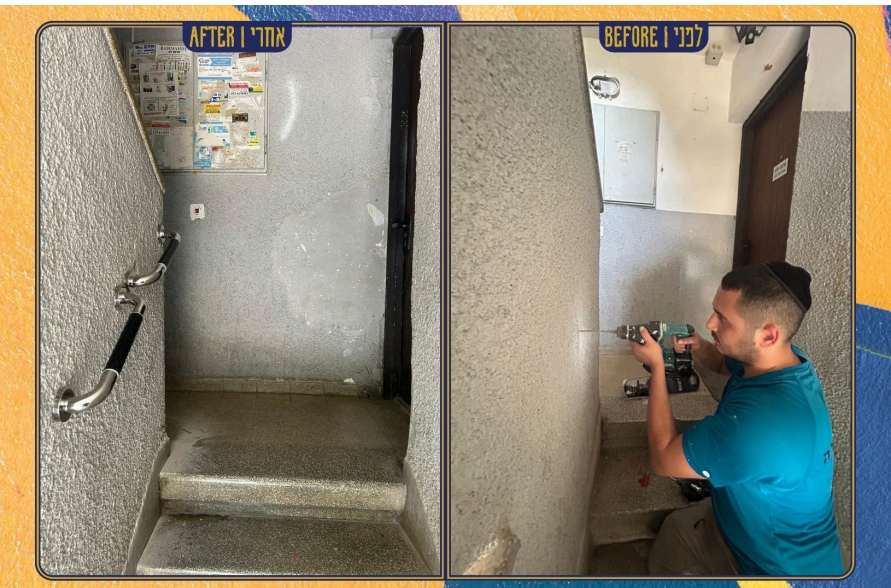
Tenufah B’Kehila sends professional teams into the homes of elderly Israelis who have no other options. They repair what is dangerous, replace what has failed, and restore dignity where it has slowly eroded.
In recent months, their teams repaired fire-damaged apartments, removed severe mold, rebuilt kitchens that had become unusable, replaced unsafe wiring, installed proper lighting and heating, fixed plumbing, and made bathrooms accessible so seniors could bathe safely. These repairs took place in cities including Bat Yam, Sderot, Jerusalem, Netivot, Beit Shemesh, and Shlomi.
These repairs are not about comfort or upgrades. They are about survival.
For an elderly person living alone, a functioning shower can mean the difference between independence and institutionalization. Proper lighting reduces the risk of falls, one of the leading causes of serious injury among seniors. Safe electrical systems prevent fires in apartments where residents may not be able to escape quickly if something goes wrong. When these needs go unmet, a home ceases to protect the person inside it.
Without intervention, many elderly Israelis face a grim choice: remain in unsafe conditions or leave the only home they have known for decades.
International Holocaust Remembrance Day asks us not only to remember how Jews died, but how survivors lived, and how they live now. Memory without responsibility is hollow. Honor without action is incomplete.
For Christians who take Scripture seriously, this reality should resonate deeply. The Bible does not speak vaguely about caring for the vulnerable. It speaks plainly. “Rescue the weak and the needy,” commands Psalm 82. “Do not cast me off in the time of old age,” pleads Psalm 71. These words are not abstractions. They describe people living real lives, often out of sight.
As Jews living in Israel, we do not read those verses as poetry alone. We read them as an obligation.
No single organization can solve the broader crisis facing Israel’s elderly. But some problems are clear and solvable. Dangerous bathrooms can be made safe. Failing systems can be repaired. An elderly survivor can live their final years with dignity rather than fear.
Support for this work ensures that these repairs can be made.
On International Holocaust Remembrance Day, there is no better time to turn remembrance into responsibility and to ensure that those who survived history’s darkest chapter can live out their final years in safety and peace.