


Kansas fired a senator over the price of gas. Israelis, after three years of war, voted to keep fighting. The jihadists noticed the difference.
In April, with America at war with Iran and the Strait of Hormuz shut, Republican Senator Roger Marshall of Kansas went on Newsmax and said something American politicians rarely say anymore. “I’m sorry the gas prices are going up. But your national security, yes, is even more important than your pocketbook.” Pressed on how long Americans would tolerate the prices, he invoked his grandparents’ generation: Could you imagine telling the president he only had so many days to defeat Hitler?
Then came June. President Trump signed a deal with Iran to stop the fighting and reopen the strait, and the same Roger Marshall told CNN, “Americans are done with forever wars. Americans deserve affordable gas and groceries.”
On November 3, Marshall lost his seat. He lost it in Kansas, a state that hasn’t sent a Democrat to the Senate since 1932 and that Trump won by 16 points two years ago. A Democrat Methodist pastor beat him by almost seven points.
Hitler couldn’t break the generation that stormed Normandy. Iran just broke their grandchildren with a gas bill.
And the lesson Washington drew the next morning was even worse.
“The reason we lost is the war”
The day after Democrats captured both the House and the Senate, Vice President JD Vance wrote on X: “The reason we lost is the war. The president himself said so last night.” Among his prescriptions: end the war with Iran and “change our relationship to Israel.”
Iran was racing toward nuclear weapons and closed the world’s most important oil route, and the vice president concluded the problem was Israel.
President Trump called Vance’s post “largely true” but insisted, “If I had it to do again, I’d have to do it again because long term, it’s the only answer. You can’t let Iran have a nuclear weapon.” Still, both men agree on the basic fact: Americans punished the Republican Party over gasoline. In October, 73% of Americans told Pew they were very concerned about higher gas prices caused by the war.
The Iranian regime, still standing, was watching. On November 3, Tehran got a clear answer to the most important question in any war: Who can take more pain?
The jihadists’ bet
This is exactly what the jihadists have been betting on for decades. Khalid Sheikh Mohammed, the mastermind of 9/11, told his interrogators, according to CIA contractor James Mitchell, that America’s “civil liberties, openness and willingness to be responsive to other peoples’ cultures are weaknesses and flaws that Allah put into the American culture so that you could be defeated.” He wasn’t counting on matching American firepower. He was counting on a rich, comfortable society losing its stomach for a long fight.
The jihadists are made of different stuff. Iran’s regime watched its currency collapse and faced mass protests, then went to war with the United States anyway. In Gaza, amid the rubble of their own homes, a majority still tell pollsters Hamas was right to launch October 7. An enemy who cares more about his cause than his home or family is very hard to defeat. He measures victory not by his comfort this year, but by whether his cause survives.
For decades, Israel’s left was sure it understood the enemy. Deep down, they said, everyone just wants bread and butter: a good job, a nice home, a better life for their kids. So Israel gave Gazans work permits, let Qatari cash flow in, and waited for them to choose prosperity over jihad. On October 7, they chose jihad.
The left was dead wrong about Gaza. But it turns out its theory describes one people perfectly: Americans. On November 3, the American voter walked into the booth and asked the only question the left ever thought mattered: What is this war costing me?
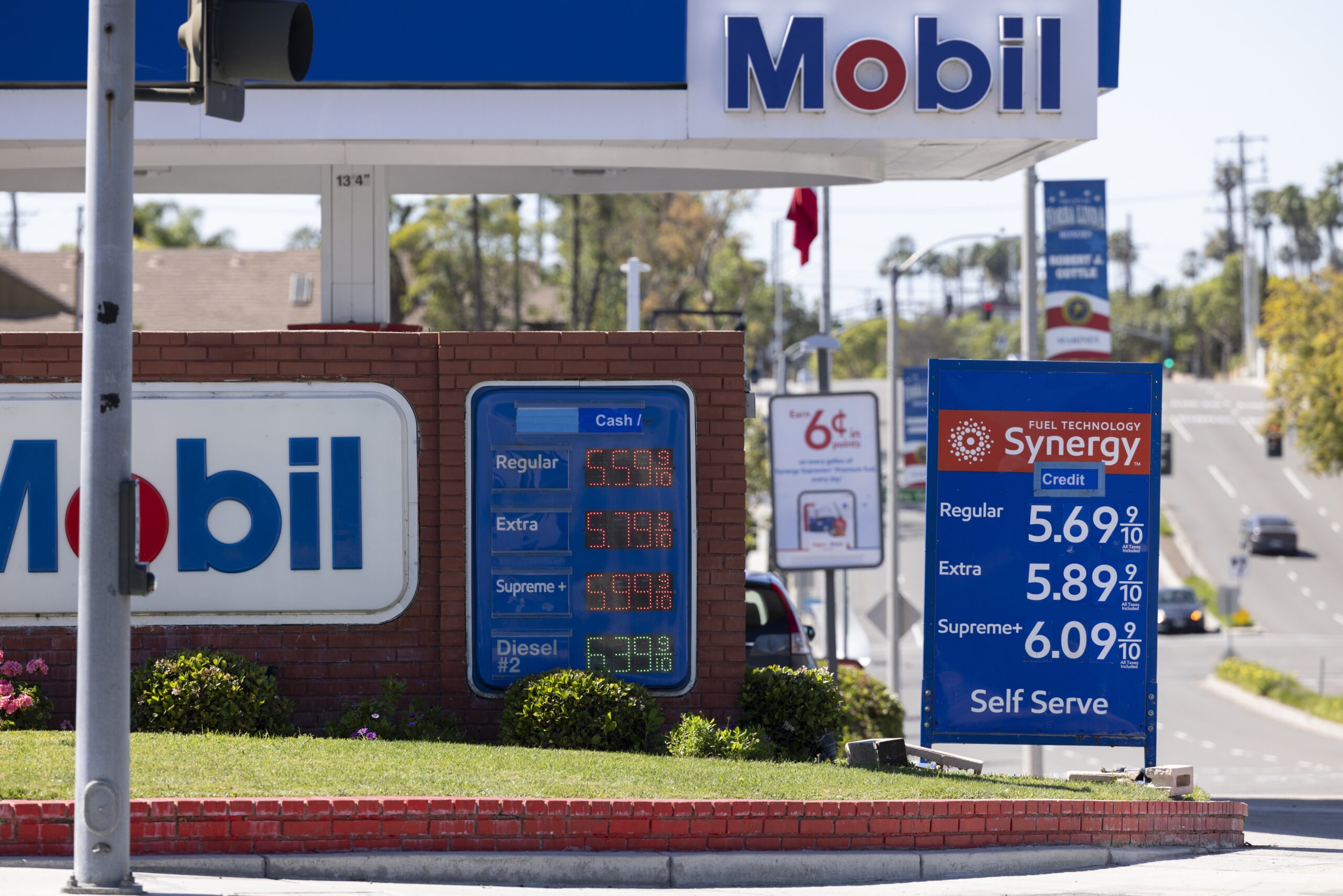
Think about what Americans were actually asked to give. Not their sons: nobody was drafted. Not their dinner tables: nothing was rationed. Not their savings: nobody was asked to buy a war bond. All America asked was that its citizens pay about a dollar and a half more for gas, for a few months, to keep a regime that chants “Death to America” from getting a nuclear bomb.
That was the whole sacrifice. And Americans complained as if they’d been asked to storm the beaches of Normandy. Even in deep-red Kansas, it was too much.
Israel voted to win
One week before Americans voted, Israelis went to the polls too. Netanyahu’s government faced serious political headwinds. It had led the country through three years of war, and October 7 happened on its watch. Arab turnout also surged, giving the Arab parties nine more seats than in the last election. Even so, Netanyahu’s Likud and its coalition partners, the government that led Israel’s war against Iran, won 53 seats and the support of most Jewish voters.
More telling, not a single major Jewish party ran on ending the war with Iran. The opposition argued only that it would fight the war better. When Vance negotiated his Memorandum of Understanding with Iran in June, just 8% of Israelis called it good for Israel. Israelis weren’t angry that the war dragged on. They were angry it ended before we decisively won and toppled the regime in Iran.
That isn’t because the war has been easy for us. We have buried 1,000 soldiers in three years. Iranian missiles have struck apartment buildings across the country. Reservists have left their families for months at a time. And still, Israelis demanded that their leaders win.
Americans paid a few extra dollars at the pump, and fired the politicians who asked them to.
Patriotism ahead of pocketbooks
Americans were not always like this. After Pearl Harbor, more than 16 million served, both of my grandfathers among them, and more than 400,000 never came home. At home, Americans accepted rationing, higher taxes and war bonds. In January 1941, Franklin Roosevelt asked Congress for sacrifice and predicted that “the voters, putting patriotism ahead of pocketbooks, will give you their applause.” He was right.
America still has the most powerful military in history. But wars are won by will, not just power, and Iran knows it doesn’t need to beat America on the battlefield. It only needs to make the war expensive enough, for long enough. On November 3, Americans told Tehran exactly what it would take to make them quit: four dollars a gallon.
Israel is now the only Western country that still has the will to defeat the jihadists. Not because we are braver than Americans, but because we learned on October 7 that there is no comfortable way out of this war.
JD Vance says America needs to “change our relationship to Israel.”
He’s right. Just not the way he thinks.
For decades, everyone has assumed the relationship runs one way. America is the protector, Israel the dependent. America sends the weapons, and Israel is told it could never survive without them. November 3 turned that upside down. It’s true that America has far more military power than Israel. What it has lost is the one thing Israel still has: the will to keep fighting when the war gets expensive.
Israel doesn’t need lessons in resolve from Washington. Washington needs them from Jerusalem. America can give Israel weapons. But Israel can give America something far more important: a living example of a free nation still willing to sacrifice to survive.
The Bible calls the Jewish people a “light unto the nations” (Isaiah 49:6). Today, that light looks like an Israeli reservist kissing his wife and children goodbye for yet another round of duty. Every time he does, he shows Americans what their own grandparents were once willing to do.
Roger Marshall understood this in April, when he told Americans that “your national security, yes, is even more important than your pocketbook.” By June, he lost the courage to keep saying it. By November, he lost his seat anyway.
So here is the question America now faces: After Kansas, will any American politician dare ask voters to pay a price for victory? The jihadists in Tehran, Gaza and Beirut are betting the answer is no. They are betting that the grandchildren of the generation that defeated Hitler care more about their wallets than about winning. I pray Americans prove them wrong.


Israel’s election aftermath: Deadlock, fragmented blocs, and the wild cards ahead
Jonathan Feldstein