Here is what each major party is promising voters, in its own terms.
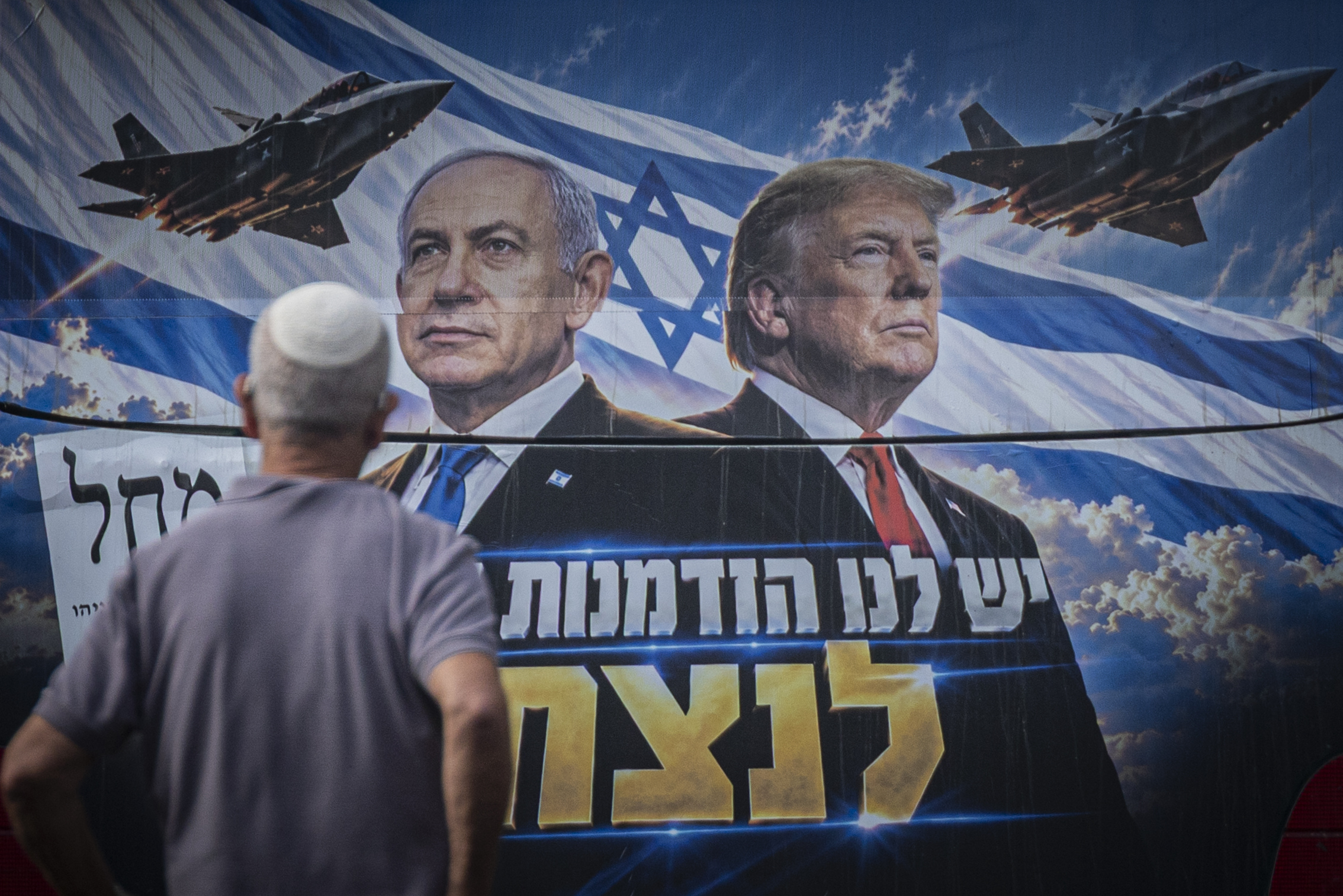
Likud (Benjamin Netanyahu). Likud’s 2026 campaign centers on national security and preserving Israel’s post-October 7 security gains. It conditions any further withdrawal in Gaza on Hamas’s disarmament, opposes a Palestinian state, supports continued Israeli security control in Judea and Samaria, and opposes handing postwar Gaza to the Palestinian Authority. Netanyahu has told voters: “We are going to fulfill our promise that there will be no Palestinian state.” Likud wants to continue judicial and media reform, and prefers a government-appointed commission for October 7 over a state commission of inquiry.
Otzma Yehudit (Itamar Ben Gvir). The party runs on law and order, the death penalty for terrorists, tougher prison conditions and a Jewish presence on the Temple Mount. It backs Israeli military control over Gaza, encouraging Palestinian emigration from the Strip, and renewed Jewish settlement there, along with sovereignty and expanded settlement in Judea and Samaria.
Religious Zionism–Zehut (Bezalel Smotrich, with Moshe Feiglin). The list promises sovereignty in Judea and Samaria and continued settlement growth. It supports continuing judicial reform and free-market policies to lower the cost of living, and favors gradual expansion of Haredi military service while opposing coercive mass enlistment. Feiglin’s Zehut adds libertarian economics and calls for sovereignty in both Judea and Samaria and Gaza.
Amcha Yisrael (Ofer Winter). Winter’s platform stresses strengthening Jewish and Zionist identity, military service for the Haredim, judicial reform, and accountability for October 7. He opposes a Palestinian state and calls for voluntary emigration of Palestinians from Gaza.
Shas (Aryeh Deri). Shas prioritizes Jewish religious tradition in public life, state funding for Haredi schools, and welfare for Haredi and low-income families. It opposes compulsory IDF service for yeshiva students and seeks a legal exemption. Deri has said Shas won’t join the next government without a draft exemption law.
United Torah Judaism (Yaakov Asher). Like Shas, UTJ prioritizes military exemptions for yeshiva students, funding and autonomy for Haredi education, welfare and housing, and the religious status quo on Shabbat and related issues.
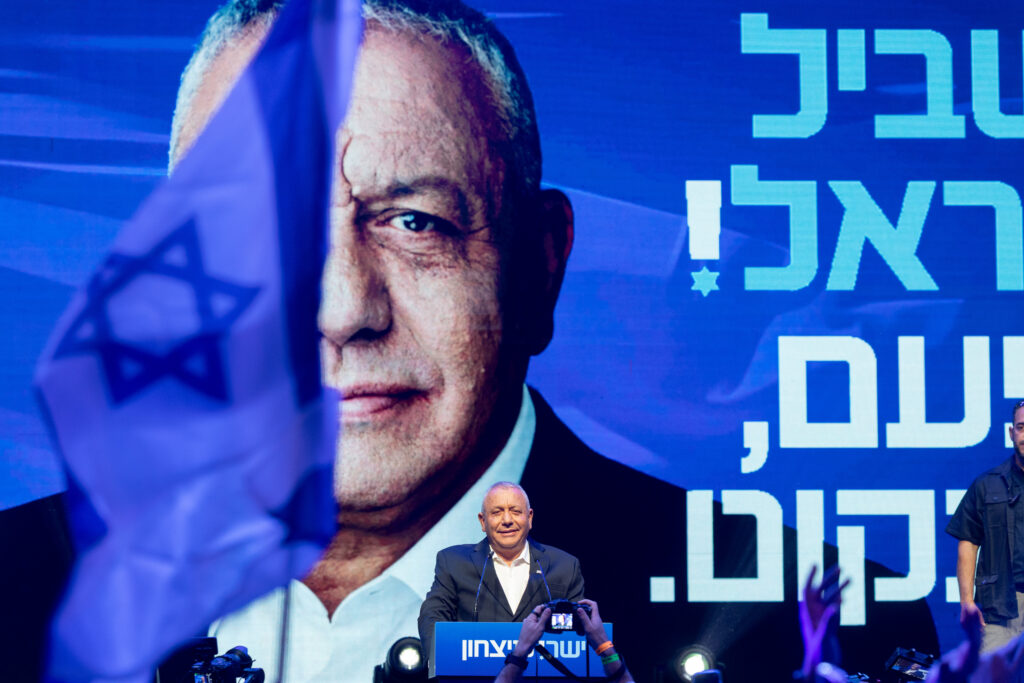
Yashar (Gadi Eisenkot). Eisenkot campaigns on a security-first approach: eliminating Hamas’s remaining military capabilities and preventing a nuclear Iran in close coordination with the United States. He opposes a Palestinian state and formal annexation, arguing Israel must keep a Jewish majority and IDF security control from the Jordan River to the Mediterranean. He promises an immediate state commission of inquiry into October 7, a 50-day annual cap on reserve duty, and a constitution. His draft plan requires every citizen to serve, in the army or in a civilian framework. Yashar opposes the judicial overhaul and would repeal the new law on appointing judges.
B’Yachad (Naftali Bennett and Yair Lapid). The list promises a constitution, universal enlistment, lower prices and a government that does not rely on Arab parties. Bennett pledges to redirect NIS 30 billion from draft evaders to those who serve. On security, it calls for holding the Yellow Line in Gaza until Hamas is disarmed and for normalization with Saudi Arabia. Bennett opposes a Palestinian state and supports Israeli security control and legal settlement construction in Area C. The party opposes the judicial overhaul, backs a state commission of inquiry, and Lapid has pledged civil marriage.
Yisrael Beytenu (Avigdor Liberman). Liberman runs a secular, hawkish campaign: defeat Hamas, Hezbollah and the Iranian regime, draft everyone, and separate religion from state. He takes the hardest line on the Haredi draft, demanding service from everyone with no exemptions and no state money for those who refuse. The party also supports expanding settlement.
The Democrats (Yair Golan). The merged Labor-Meretz party runs on judicial independence, a stronger safety net and a negotiated settlement with the Palestinians. It opposes annexation in Judea and Samaria and supports Haredi conscription, civil marriage, and limited public transportation on Shabbat. It is the only Zionist party openly calling for Arab parties in the coalition.
Reservists–Economic Party (Yoaz Hendel and Yaron Zelekha). The list is built around a single clear demand, equal service. It refuses to sit with non-Zionist parties, Arab or Haredi, and calls for a grand unity government of the Zionist left and right.
Ra’am (Mansour Abbas). The Islamic party focuses on crime in Arab towns and wants a seat in government. It supports a Palestinian state.
Joint List (Yousef Jabareen). Hadash, Ta’al and Balad support a Palestinian state and equality for Arab citizens. The list does not join governments on principle, though Jabareen has offered outside support to a non-Netanyahu government.
The big dividing lines
On the Haredi draft, Yisrael Beytenu, B’Yachad, Yashar, The Democrats and the Reservists back universal service, while Shas and UTJ defend yeshiva exemptions. On October 7, the four main opposition parties promise a state commission of inquiry, and Likud favors a government-appointed one. On the courts, Likud and Religious Zionism want to continue the overhaul, while Yashar, B’Yachad and The Democrats oppose it. On a Palestinian state, Likud, Yashar, B’Yachad, and the parties to their right oppose one, while The Democrats, Ra’am and the Joint List support a negotiated path toward one.