




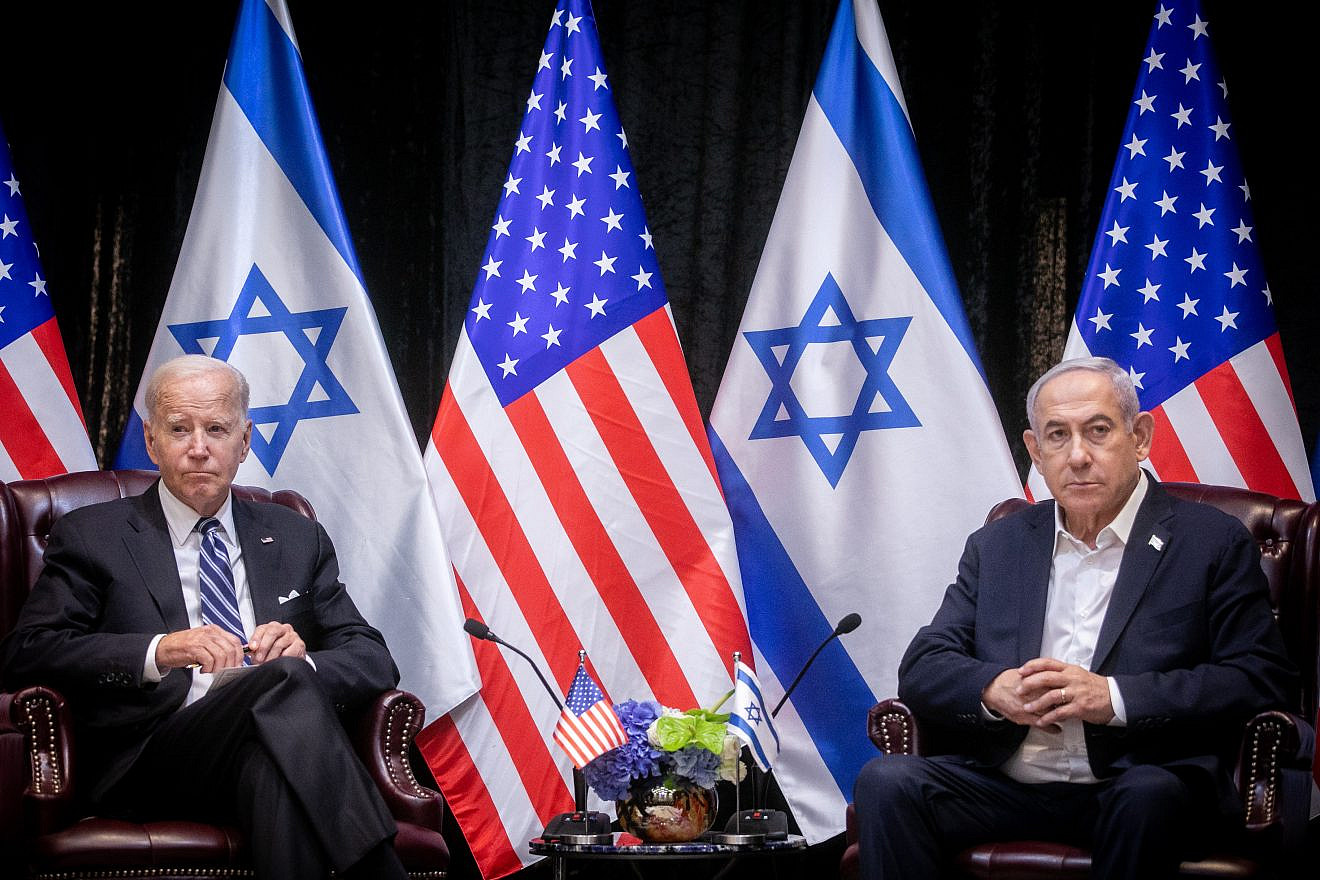
Brett McGurk, the man President Biden chose to bring home the hostages Hamas dragged into Gaza on October 7, now admits that American pressure on Israel hardened Hamas and made the hostages harder to free. He writes that in the spring of 2024, Hamas never answered a single American proposal, and the hostage deal stalled while the captives waited underground.
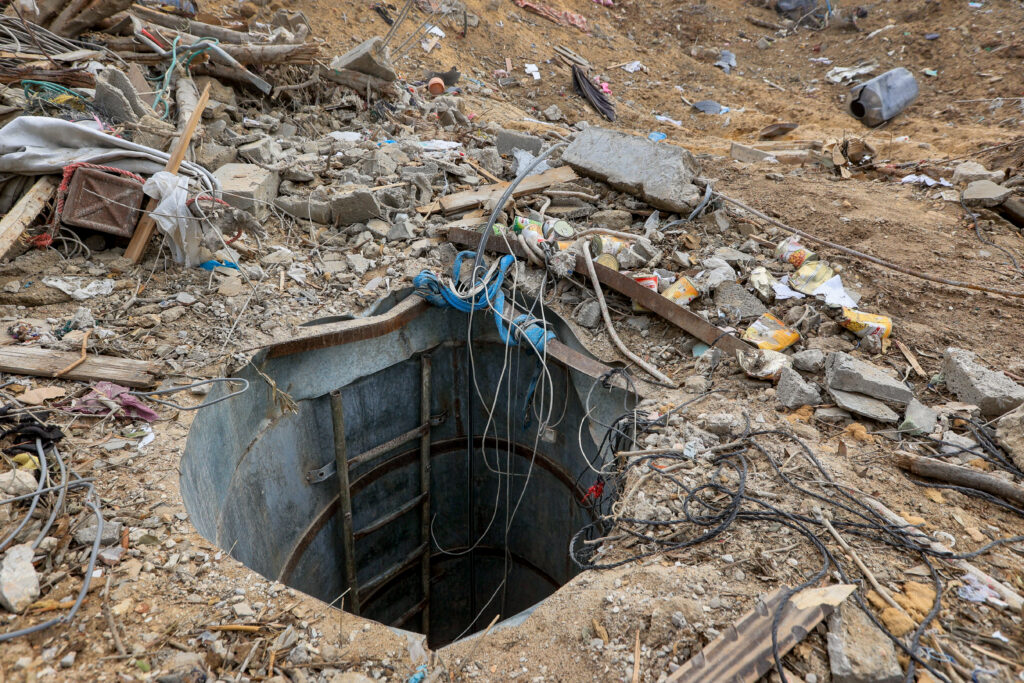
In March 2024, Yahya Sinwar was hiding in a tunnel complex beneath Rafah, holding Israeli hostages and reading the news. What he read was an American president calling Israel’s planned operation in Rafah a “red line,” a vice president warning of “consequences,” and a United States that had just let a UN cease-fire resolution pass without conditioning it on the hostages’ release.
In an excerpt from his new book, Brink: Inside the Race to Free the October 7th Hostages, published this week in The Atlantic, McGurk concludes that Washington’s public pressure on Israel backfired. “Increasing public pressure on Israel did not stop the war,” he writes. “It seemed to encourage those fighting against it.”
Israeli officials made that argument for two years. The Times of Israel called McGurk’s account one of the first instances in which a senior American official has acknowledged that the strategy was a mistake. It raises a question as old as the first kidnapping: what happens to the price of a captive when the captor believes the pressure is on his victim?
Sinwar was watching
In early March 2024, the journalist Jonathan Capehart asked Biden whether an Israeli offensive in Rafah would be a “red line.” “It is a red line,” Biden answered. McGurk writes that Biden later told his team he meant how Israel conducted the operation, not whether it happened. Vice President Kamala Harris went further on ABC News, calling a Rafah operation a “huge mistake” and refusing to rule out “consequences.”
Later that month, the United States abstained on a UN Security Council resolution demanding a cease-fire during Ramadan, allowing it to pass. McGurk writes that the administration’s UN team considered a veto too costly to America’s reputation. Ron Dermer, then a member of Netanyahu’s cabinet, called McGurk and asked why the administration treated Israel like a “dishrag” at the UN. McGurk hung up on him. In the book, he concedes Dermer’s point: “While Dermer’s rhetoric was overheated, he was not wrong that Hamas saw the UN resolution as a strategic opening to strengthen its position.”
Israeli troops entered eastern Rafah on May 6, 2024, and what they found there settled the argument over Biden’s “red line.” IDF spokesman Daniel Hagari described the Philadelphi Corridor along the Egyptian border as Hamas’s “lifeline,” through which the terror group smuggled weapons and supplies into Gaza. Troops uncovered a tunnel under eastern Rafah 1.5 kilometers long, its entrance shaft about 100 meters from the Rafah crossing, packed with anti-tank missiles, AK-47s, explosives, and grenades. Combat engineers eventually mapped 203 separate but interconnected tunnels in the corridor, stretching from the Egyptian border to the outskirts of the city. By September, the IDF declared Hamas’s Rafah Brigade decimated, with at least 2,308 of its operatives killed and more than 13 kilometers of tunnels destroyed. Rafah was also where Sinwar was hiding. He had been in a Rafah tunnel with six Israeli hostages, Hersh Goldberg-Polin, Eden Yerushalmi, Ori Danino, Almog Sarusi, Carmel Gat, and Alex Lobanov, who were executed by their captors in late August. Sinwar died aboveground on October 16, 2024, just a few hundred meters from that tunnel complex, shot by soldiers of the Bislamach Brigade on a routine patrol in Tel al-Sultan. Had Israel honored the red line, Hamas would have kept its last intact brigade, its tunnel network along the Egyptian border, and its commander, and Sinwar would have walked out of the war as the man who held Rafah.
The day after the vote, Hamas’s leaders met Iran’s Supreme Leader, Ayatollah Ali Khamenei, in Tehran and pointed to Israel’s growing isolation. The Houthis escalated their attacks in the Red Sea. Israel’s negotiators walked out of the talks. “Looking back, it’s no wonder that Hamas never responded to our proposals during this period,” McGurk writes. Sinwar, “an avid consumer of news, would have understood that relations between Biden and Netanyahu were approaching the boiling point.”
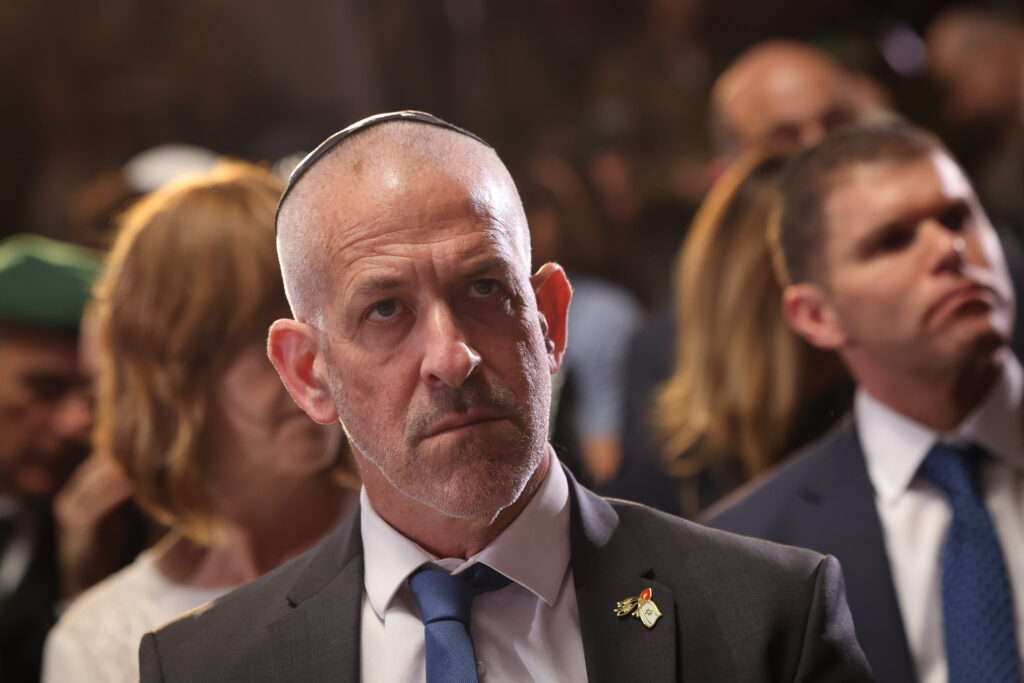
The sharpest verdict came from the Israeli who worked hardest for a deal. Ronen Bar, then head of the Shin Bet security agency and Israel’s chief liaison with the mediators, visited Washington a year later and met former Biden aides. One asked what Biden should have done differently. Bar pointed to spring 2024, when Biden was seen as blocking the Rafah operation. That perception, he said, hardened Hamas’s position and made it harder to free the hostages. “That was your biggest mistake.”
What Hamas demanded
McGurk’s account leaves no doubt about who was blocking a deal. The first truce, in November 2023, freed more than 100 hostages, women and children among them, before it collapsed. Hamas, McGurk writes, refused at the last moment to release the younger women it held, “a clear violation of the deal.” Early on December 1, Hamas resumed firing rockets at Israel.
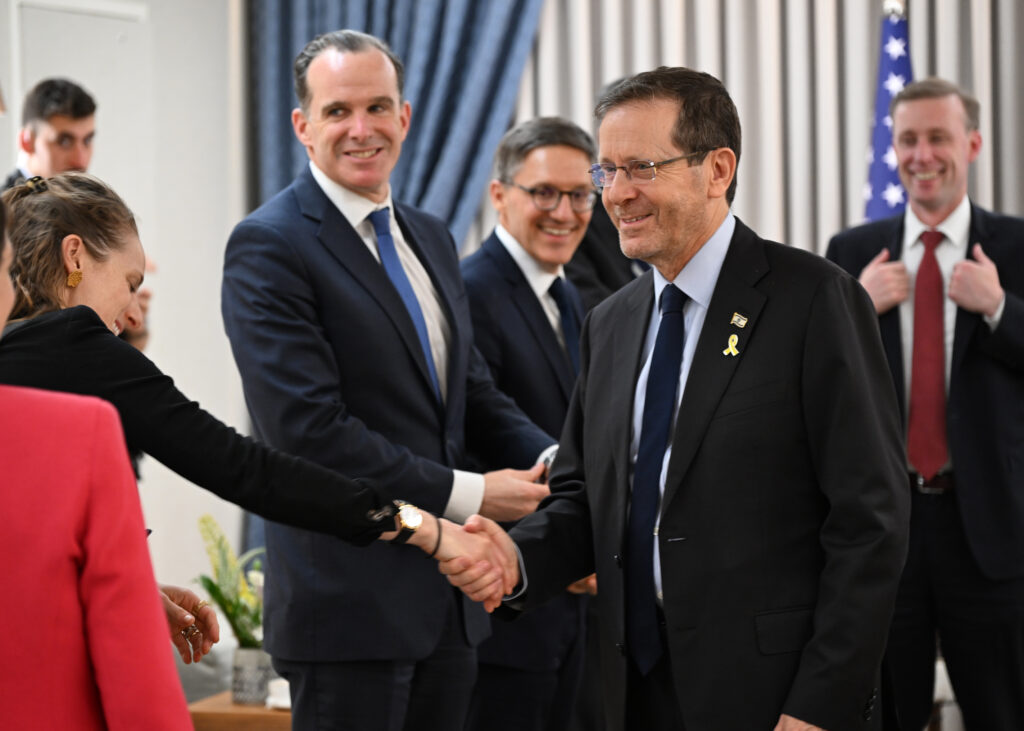
On February 21, 2024, McGurk sat in the Cairo office of Egypt’s intelligence chief, Abbas Kamel, with Shin Bet chief Ronen Bar and Egyptian officer Ahmed Abdel Khalek, who was in direct contact with Sinwar. Kamel laid out Hamas’s terms. Israel had to withdraw completely from Gaza and guarantee a permanent cease-fire before a single hostage was released. Hamas would remain in power, restoring the situation of October 6. Israel had to free every Palestinian in its prisons, “regardless of crimes committed.”
“Impossible,” Bar said.
McGurk and CIA Director Bill Burns offered a compromise: a six-week cease-fire and the release of large numbers of Palestinian prisoners in exchange for the women, the elderly and the sick or wounded, more than 30 hostages in all, including three Americans. Bar accepted the outline. So, in principle, did Netanyahu, though he told McGurk the Americans were “doing things backward” and that the endless rounds of talks treated Hamas leaders as statesmen when they were terrorists holding hostages in tunnels. Two weeks later, Hamas rejected the offer and stuck to its original demands. When Biden asked Netanyahu to sweeten the deal with more prisoners, Netanyahu reluctantly agreed. Hamas still would not budge.
McGurk is critical of Netanyahu too. He writes that the prime minister spoke for more than 30 minutes about the war without mentioning the hostages, and that he could never be sure whether Netanyahu meant to sabotage the talks or genuinely believed Sinwar would release hostages only “with a knife to his throat.” But the record he lays out shows Israel accepting proposals and Hamas rejecting them.
“No Santa in Israel, pal”
The pressure peaked in early April. On April 1, Israel killed a senior Iranian commander in Damascus, and Iran began preparing a massive missile strike on Israeli cities. The same day, an Israeli drone mistakenly killed seven World Central Kitchen aid workers in Gaza. Biden, McGurk writes, was under pressure “mainly from within his own party” to force Israel to stop the war, and the West Wing’s focus had shifted to the 2024 campaign.
On April 4, McGurk walked into the Oval Office and found Biden’s face “red like a beet.” Some advisers urged the president to tell Netanyahu the war was over and to cut off support if he refused. Biden asked what would happen if Washington cut military aid while hostages remained in tunnels and Israel was under attack from several directions. “We’re on the side of Iran?” he asked.
Then he picked up the phone. “Bibi, man, what the f*** are you doing?” Biden said. “You think I’m Santa Claus? No Santa in Israel, pal.” He told Netanyahu he could cut off military aid with the snap of a finger and leave Israel on its own. Netanyahu answered that Israel would defend itself without the United States. McGurk writes that Netanyahu concluded from the call that America was cutting military supplies.
McGurk’s most startling admission follows: “If not for the pending Iranian attack, the U.S. might have taken irreversible measures against Israel at this juncture.” In the end, the Times of Israel reports, Washington withheld one shipment of 2,000-pound bombs, and all other aid continued through the end of Biden’s term.
McGurk also describes how Iran read the moment. Tehran believed Biden was under pressure to break with Israel and hoped a missile attack might push him over the edge. On April 13, Iran launched more than 100 ballistic missiles, along with drones and cruise missiles, at Israel. American, Israeli, and allied defenses stopped nearly all of them. Watching the screens in the Situation Room, McGurk writes, he bowed his head and prayed for the first time ever at that table.
The day after the barrage, a Turkish diplomatic source told Reuters that Iran had informed Ankara in advance, and that Washington had used Turkey to tell Tehran its response had to stay “within certain limits.” Turkey’s Foreign Ministry said it had carried messages between the two sides to keep reactions proportionate, and Iran’s foreign minister claimed Tehran gave the United States 72 hours’ notice. Critics read the Turkish account as a green light for a limited attack on Israel. The White House denied it. National security spokesman John Kirby called reports that Iran had tipped off Washington “categorically false” and said Iran never passed along its timing or targets. A U.S. official said Iran’s only message arrived through the Swiss after the strikes had begun and that the attack was meant to be highly destructive. McGurk’s account supports that version: he describes an Iranian launch sequence designed to overwhelm Israel’s defenses and a warning from Tehran that Washington ignored when it helped shoot the missiles down.
The Harris camp answers
Phil Gordon, who served as Harris’s national security adviser, rejected McGurk’s account on X. Harris, he wrote, was hardly the only official warning Israel about Rafah, since Biden himself had called it a red line and later threatened on CNN to withhold offensive weapons. Gordon defended that pressure as necessary to keep Israel from launching a ground offensive without a plan for more than a million civilians sheltering in the city. Israel did revise its plans and let civilians evacuate before the operation began.
Gordon also argued that it was implausible an American green light would have produced a better hostage offer, noting that Hamas made none even after Israel entered Rafah, or for eight months afterward. Whatever the administration’s biggest mistakes, he wrote, “pressing Israel to change its Rafah plans was not among them.”
Gordon’s defense rests on the claim that Hamas would have refused regardless. McGurk, who sat across the table from the mediators, reached the opposite conclusion. So did Ronen Bar, the Israeli official most eager for a deal.
When the pressure moved to Gaza
The timing of the breakthrough tells its own story. For most of 2024, as Washington’s public pressure fell on Israel, Hamas turned down every proposal. In December, President-elect Donald Trump warned that there would be “all hell to pay” if the hostages were not freed before he took office, and his envoy, Steve Witkoff, joined McGurk at the negotiating table. Within weeks, Hamas accepted a deal built on the framework it had rejected since the previous May. The agreement was announced on January 15, 2025, and the first hostages came home on January 19, the day before Trump’s inauguration. That truce returned 25 living hostages and the bodies of eight more before it collapsed after six weeks. The October 2025 cease-fire, reached under Trump, brought home all the rest.
