




2,000-Year-Old Ritual Bath Pulled Intact From the Ground in Kiryat Gat, Confirming Unknown Second Temple Jewish Settlement
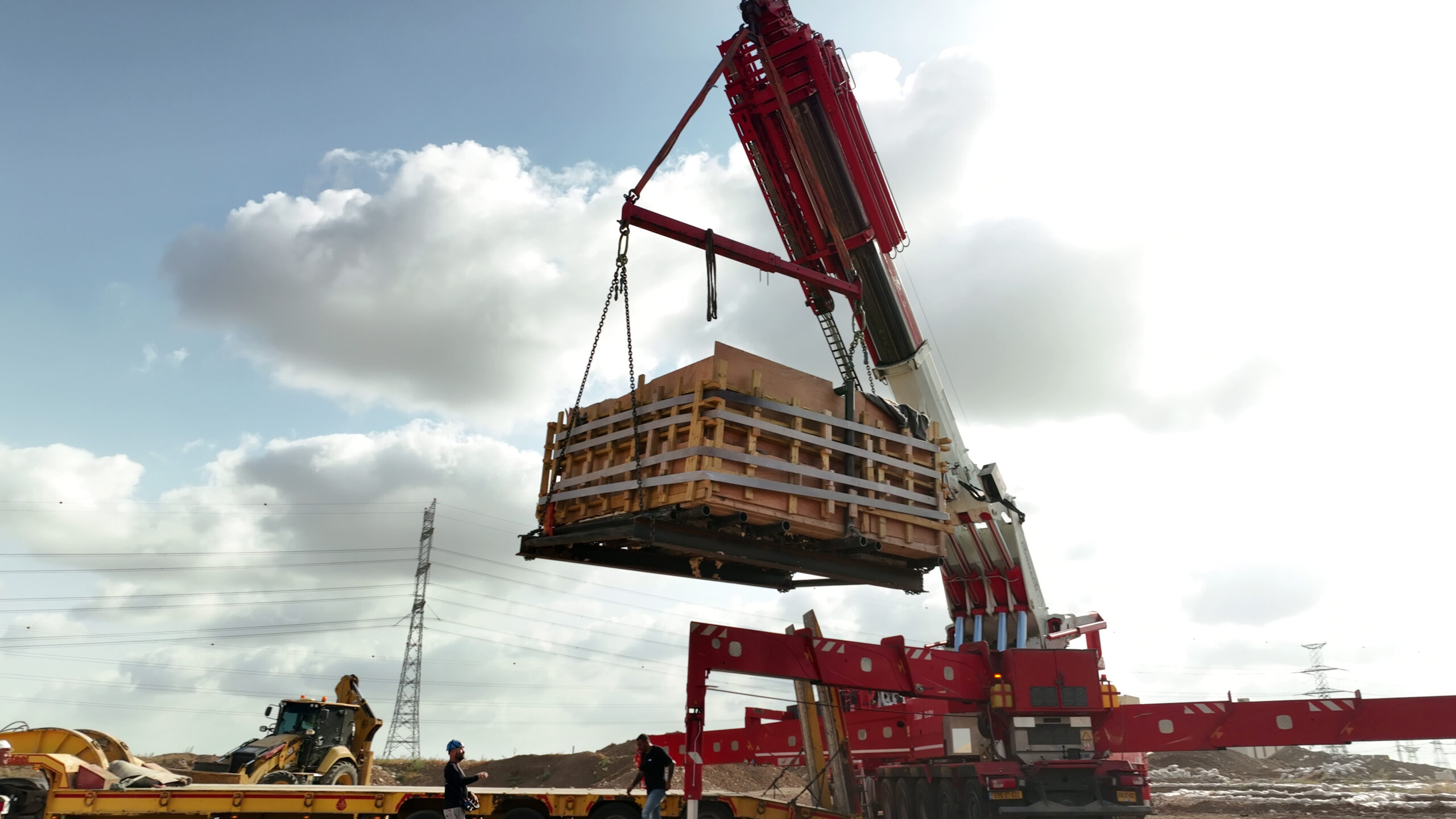
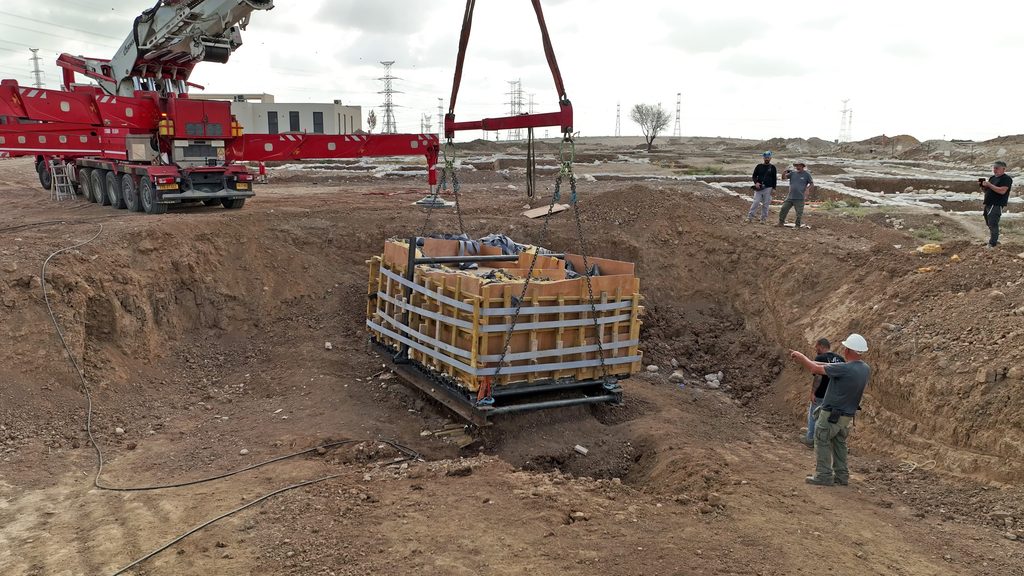
A construction site in southern Israel has yielded a discovery that rewrites the map of Jewish settlement during the Second Temple period. Archaeologists excavating the new Carmei Gat neighborhood in Kiryat Gat uncovered a 2,000-year-old mikveh (ritual immersion bath) weighing 25 tons, and rather than dismantle it, the Israel Antiquities Authority (IAA) extracted the entire structure whole from the ground using a 300-ton crane.
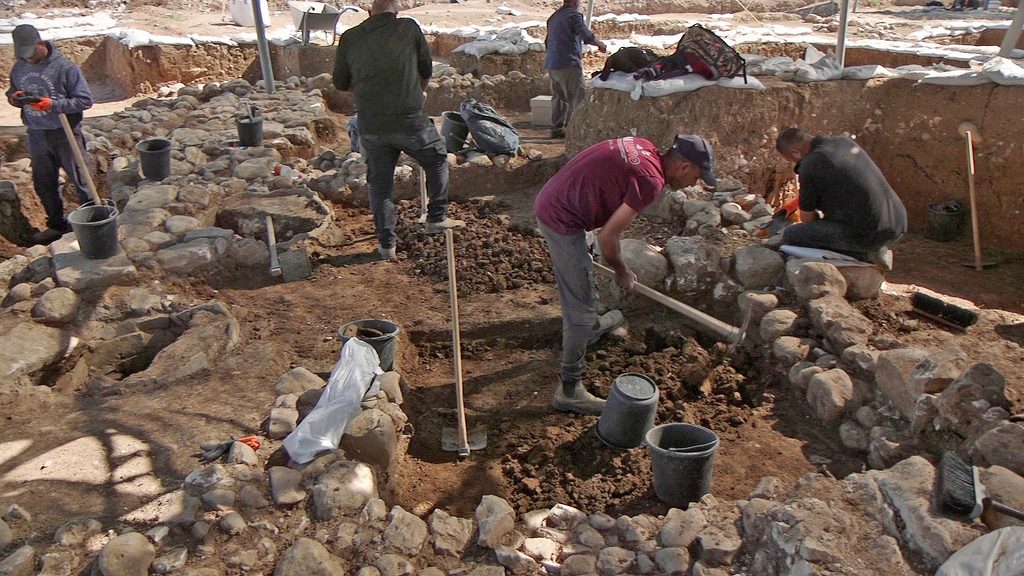
The excavation, funded by the Israel Land Authority as part of roughly 28 million NIS in salvage archaeology tied to the neighborhood’s development, uncovered stone measuring vessels alongside the mikveh. Under Jewish law, stone vessels cannot become ritually impure, which is why they were common among Jews during the Second Temple era. Together, the finds provide clear evidence of a Jewish community living in the area approximately two millennia ago, in a location where no such settlement had previously been documented.
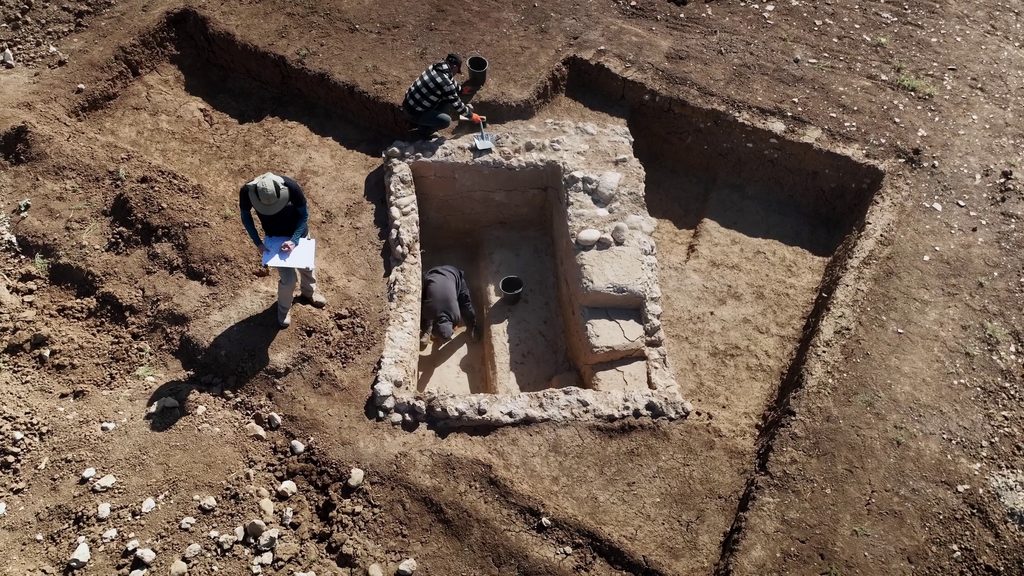
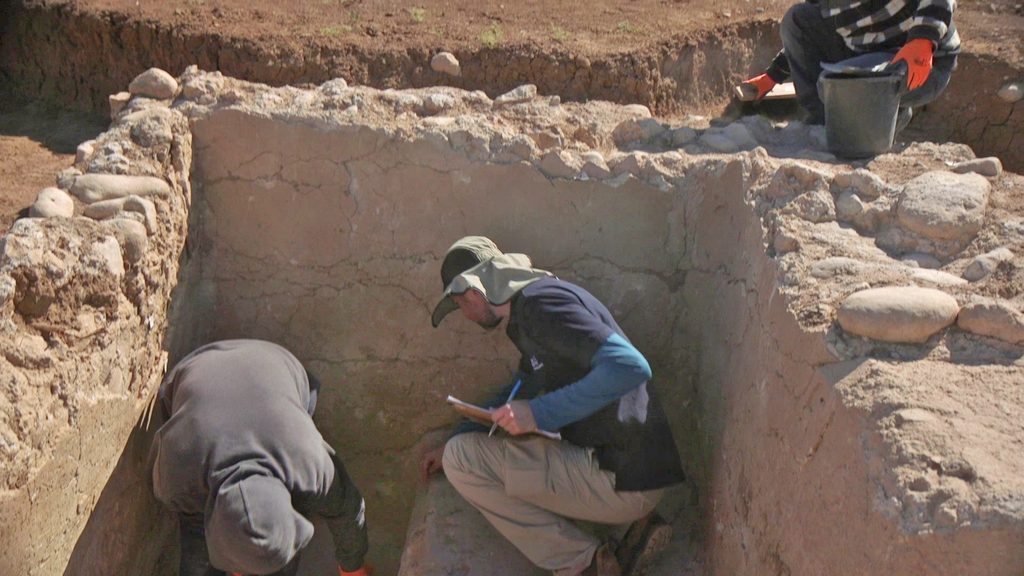
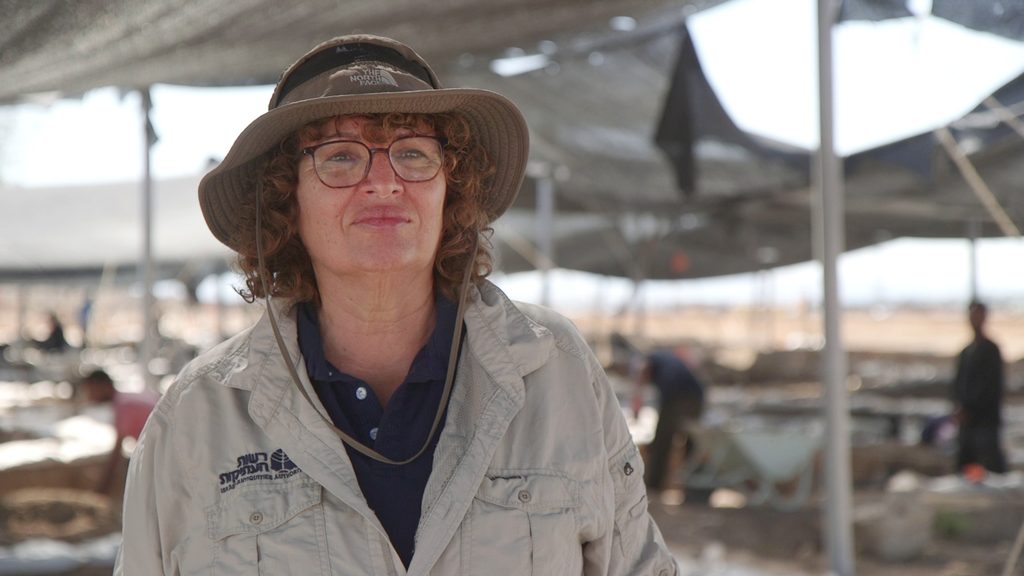
“The Jewish settlement we discovered here is the first and the only known one in this area,” said Elena Kogan-Zahavi, Maayan Margulis and Shira Lifshitz, the excavation directors on behalf of the IAA. “In the Judean Lowlands, many Jewish settlements from the Roman period are known, but in the seam between the Judean Lowlands and the northern Negev – no Jewish settlement was known until now.”
According to the excavation findings, the settlement was abandoned during the Bar Kokhba Revolt in the second century CE. It was not resettled until roughly 500 years later, during the Byzantine period, and by then with an entirely different population.
The discovery of this mikveh is significant well beyond its engineering feat. Ritual immersion is a foundational element of Jewish law, rooted in the Bible’s laws of tumah and taharah, ritual impurity and purity. The Sages required immersion in a mikveh to restore a state of purity after various forms of impurity, and during the Second Temple period this practice took on heightened urgency. Jews traveling to Jerusalem for the pilgrimage festivals, or eating terumah and other sacred produce, needed to be ritually pure, and the widespread use of stone vessels found alongside this mikveh reflects that same concern, since stone, unlike pottery, does not become ritually impure under Jewish law. A private, freestanding mikveh of this scale in a settlement previously unknown to archaeologists indicates that the Jewish community living here took purity law seriously enough to build permanent ritual infrastructure into daily life, not merely to visit one in Jerusalem.
Kiryat Gat’s name itself points to deep biblical roots. The modern city was built near the site of ancient Gat, one of the five city-states of the Philistines named throughout the Bible, most famously as the home of Goliath: “And there went out a champion of the camp of the Philistines, named Goliath, of Gath, whose height was six cubits and a span” (1 Samuel 17:4). Gat appears repeatedly in the biblical narrative, from the Philistine pentapolis of Joshua’s time through the reigns of Saul and David. The identified site of ancient Gat, Tell es-Safi, lies near modern Kiryat Gat, and finding a thriving Jewish settlement with its own mikveh in this same region during the Second Temple period underscores how thoroughly Jewish life had come to occupy territory once associated with Israel’s ancient enemies.
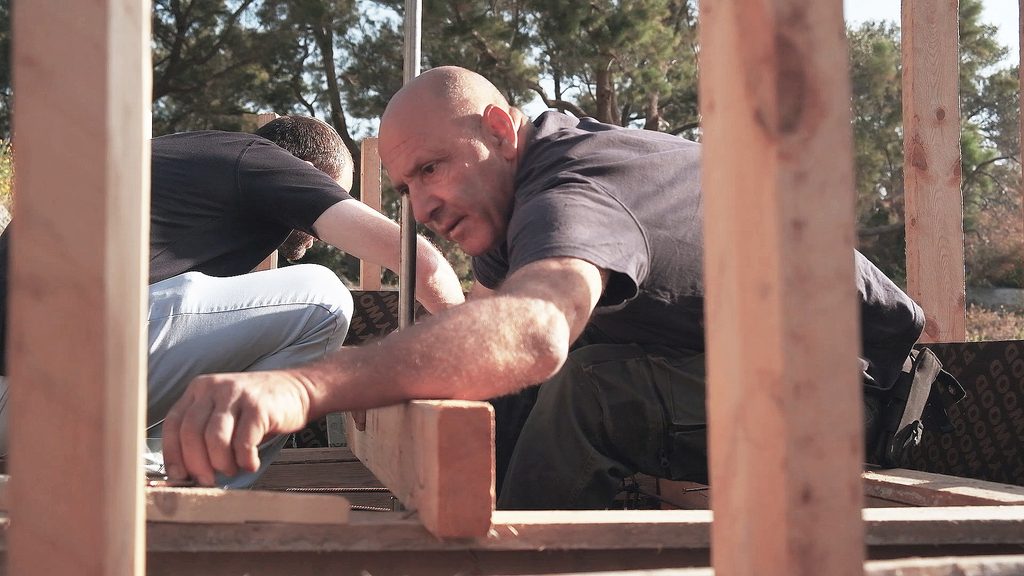
Moving a buried 25-ton stone structure measuring about 4 meters wide required two weeks of preparatory work by four members of the IAA’s Conservation Administration. The team first dug around the mikveh to expose it on every side, then drilled beneath it to insert steel beams that stabilized the structure and allowed it to be detached from the earth. The ancient plaster coating the walls, vulnerable to peeling from vibration, was covered in gauze and adhesives and the whole structure was wrapped in foam to absorb the shocks of lifting and transport.
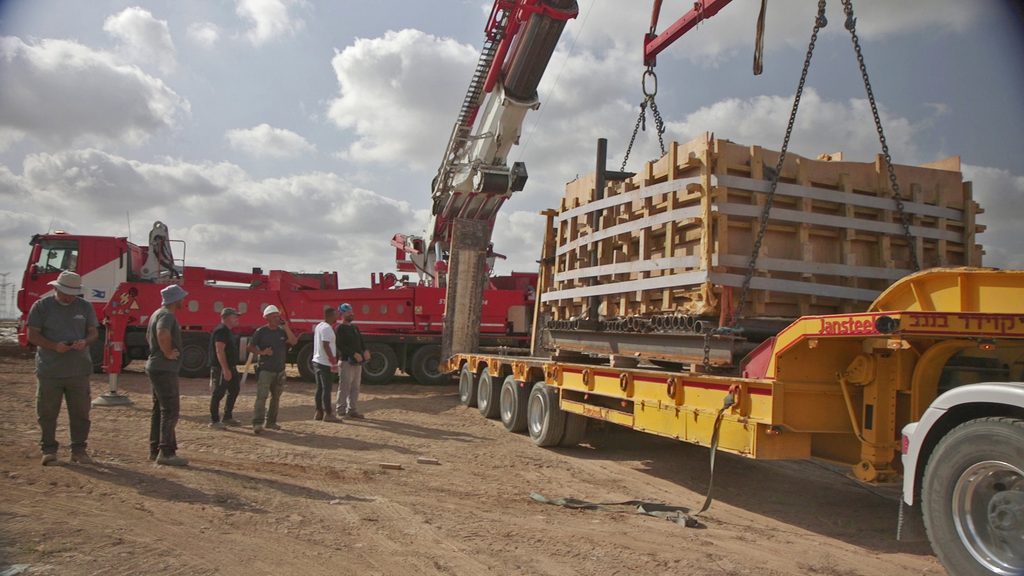
Because of the distance between the crane’s base and the mikveh, engineers needed a 300-ton crane to lift the 25-ton bath, and its unusual four-meter width required a wide-load transport vehicle. Moving it to the IAA storehouse at Beit Guvrin meant closing the road to traffic and running escort vehicles ahead of and behind the truck.
“Once you lift up a structure like this, there is no going back,” said Eyal Kaho, senior conservator at the IAA, who led the operation. “If it falls apart – we’ve lost the mikveh. Therefore, every detail must be considered in advance. The day before an operation like this, you don’t sleep. You’re under pressure, because the responsibility is yours and there’s simply no price that can compensate for mistakes. Even after 36 years at the Israel Antiquities Authority, every time, the adrenaline rises anew.”
Israel’s Minister of Heritage, Rabbi Amichai Eliyahu, framed the find as part of a national obligation. “The ritual bath uncovered in Kiryat Gat adds an important dimension to our understanding of Jewish settlement in the Land of Israel during the Second Temple period,” he said. “The complex operation led by the Israel Antiquities Authority to relocate it intact reflects our commitment as a nation to preserving our heritage assets, even amid rapid development.”
Once construction on Carmei Gat is complete, the mikveh will be returned to the neighborhood and installed as a permanent public display at its center, giving residents and visitors direct contact with physical evidence of Jewish life in the land two thousand years ago.

