

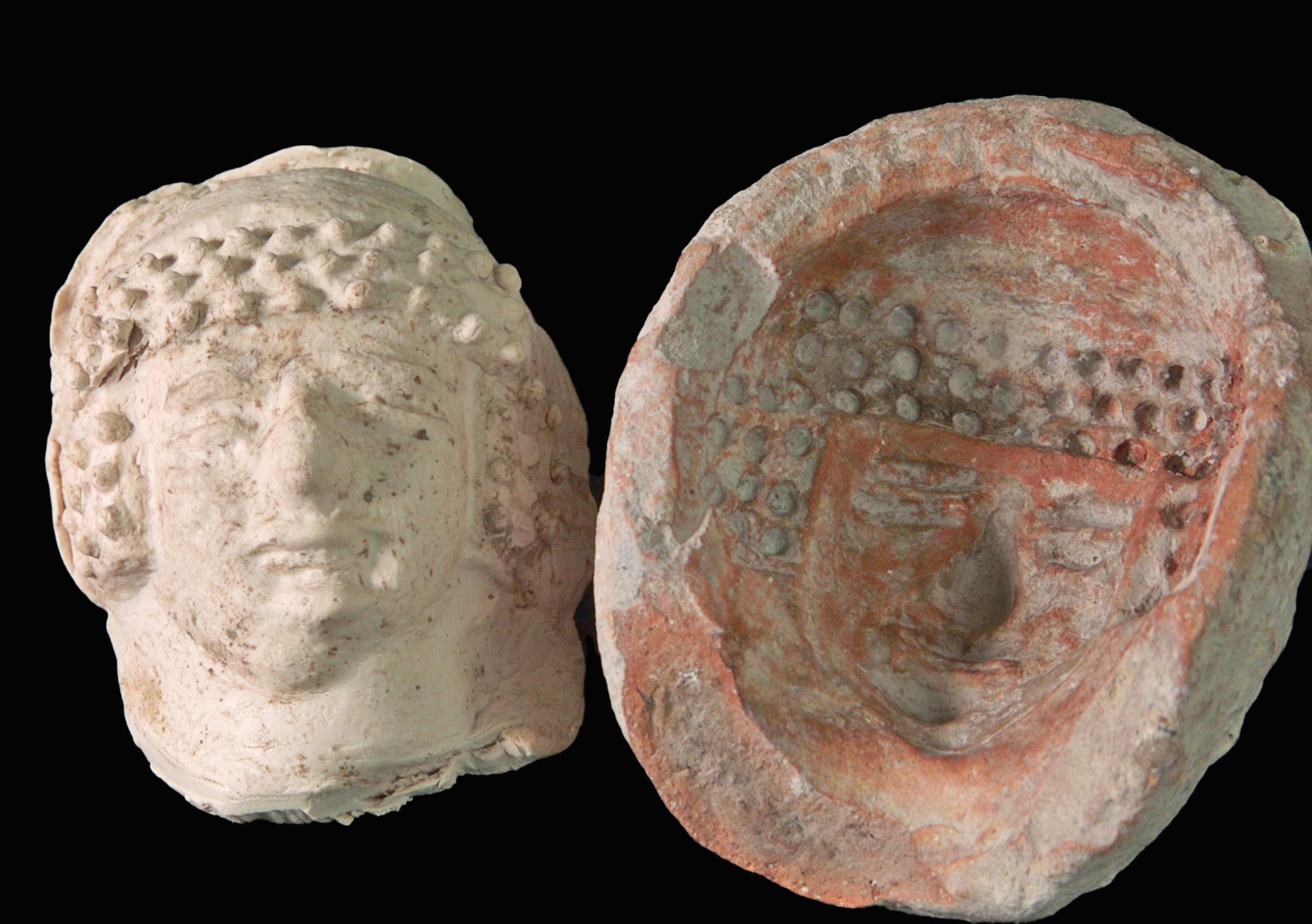
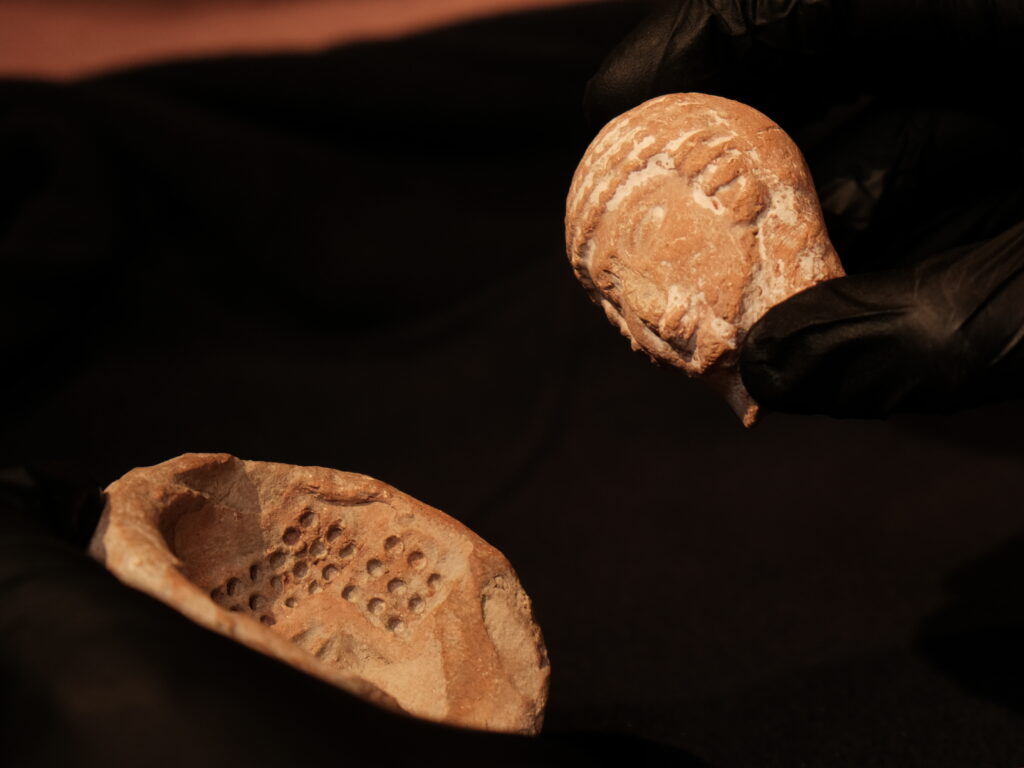
A mold used to cast the face of a female figurine nearly 2,700 years ago has surfaced from the soil beneath Jerusalem’s Tower of David Museum, and archaeologists say it answers a question that has puzzled researchers for decades: were the thousands of clay figurines found across Judah made locally, or brought in from elsewhere? The Kishle excavation just supplied a direct answer.
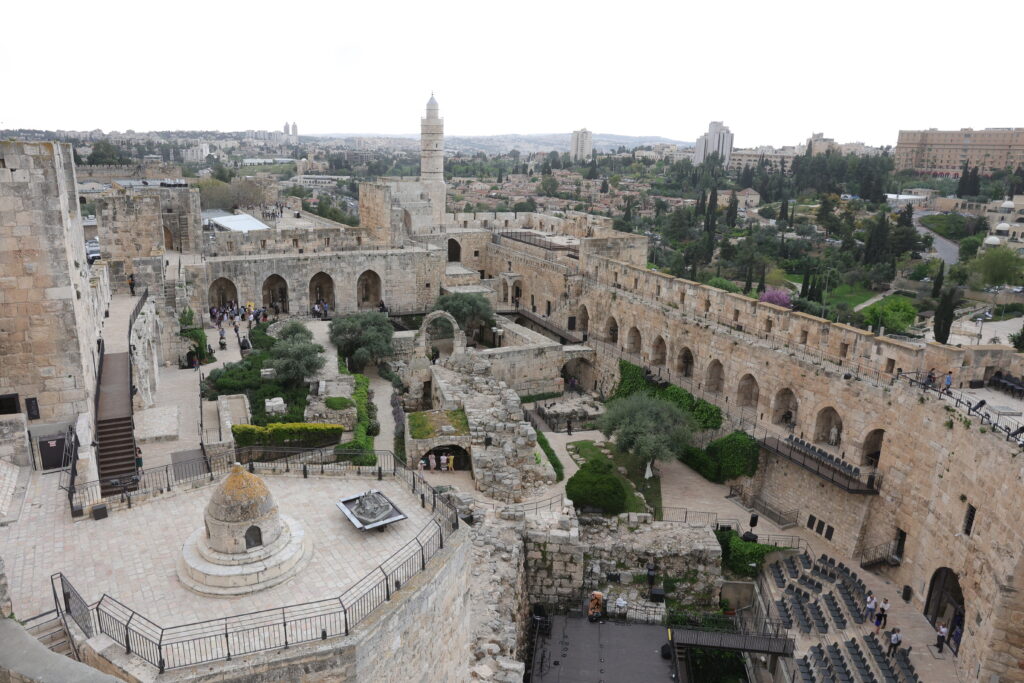
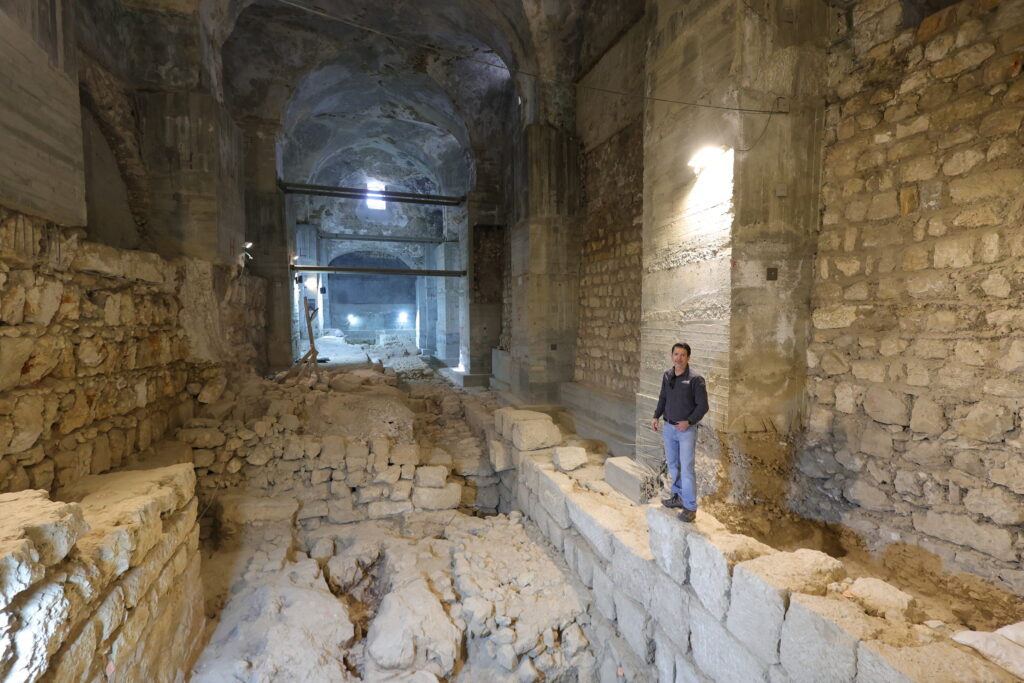
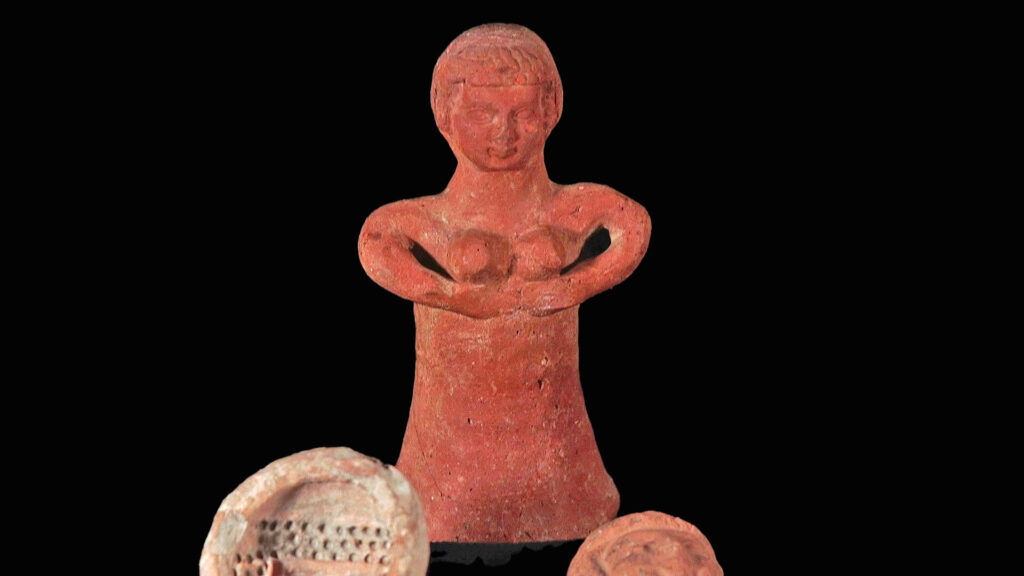
The mold was uncovered by the Israel Antiquities Authority during excavation work tied to the construction of the museum’s new Schulich Wing for Archaeology, Art and Innovation. It emerged from fills and accumulations dated to the First Temple period, and after conservation specialist Tamar Gonen cleaned away the surrounding soil, the mold’s fine facial detailing and elaborate curled hairstyle came into full view. Conservator Sviatoslav Klindukhov then produced a cast from the mold, reconstructing the complete face it was designed to create.
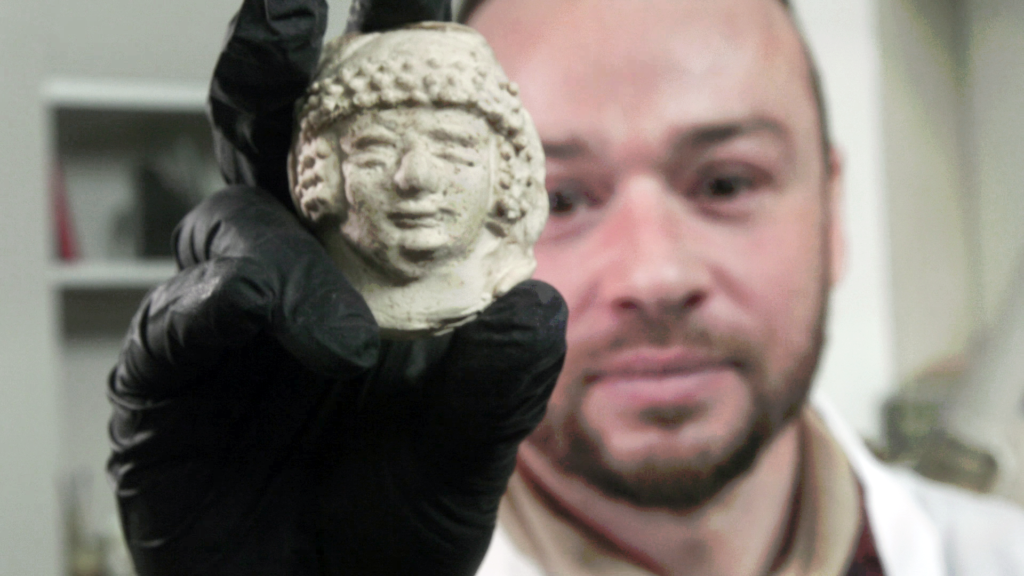
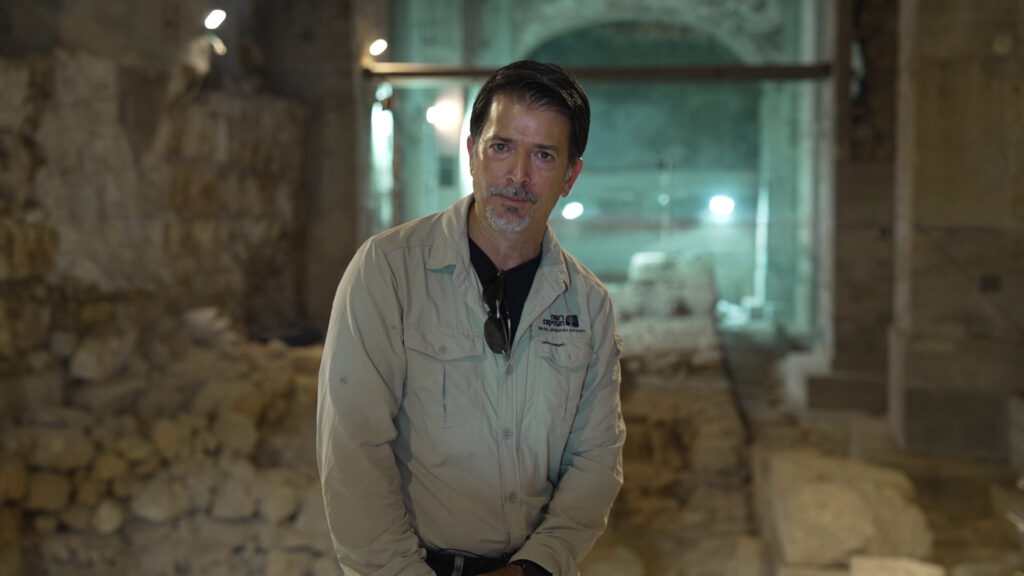
“Clay figurines from the First Temple period are known from almost every archaeological excavation conducted in Jerusalem and throughout Judah,” said excavation director Dr. Amit Re’em. He noted that until this find, no production mold for these figurines had ever turned up in Jerusalem itself, leaving open the question of local manufacture versus importation. The mold from the Kishle closes that gap, giving researchers direct evidence that these objects were produced inside the city.
Why would nearly every household in Judah have owned one of these figures?
The Bible answers that question directly, and harshly. Judah in the First Temple period was saturated with household idolatry, practiced alongside, not instead of, worship at the Temple. The prophet Jeremiah described it in plain terms: “The children gather wood, and the fathers kindle the fire, and the women knead their dough, to make cakes for the queen of heaven, and to pour out drink offerings unto other gods, that they may provoke Me” (Jeremiah 7:18). This was not the sin of a few outliers. It was a family enterprise, generation working alongside generation, inside the home.
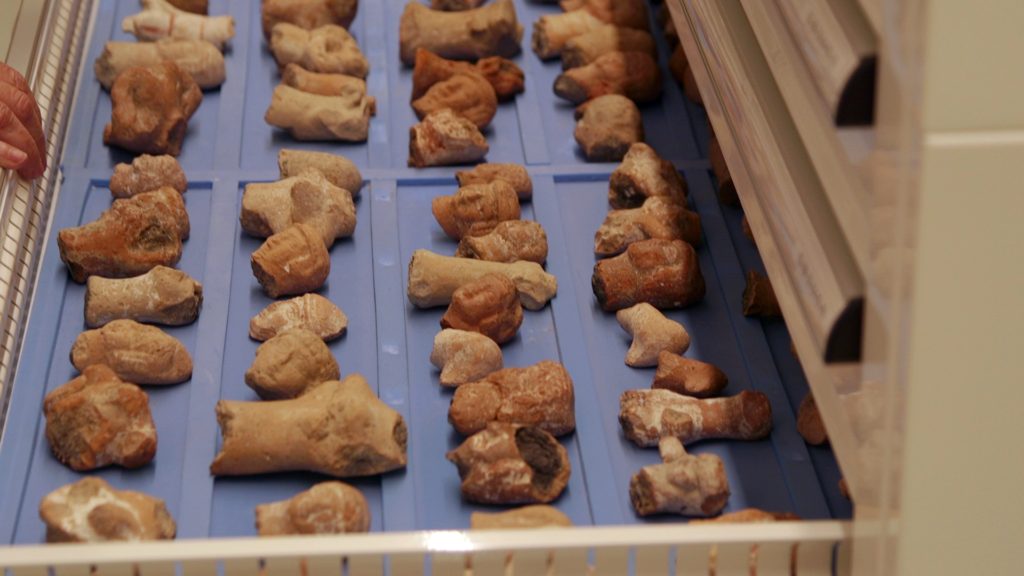
The figurines recovered from the Kishle and from sites throughout Judah are widely known as Judean Pillar Figurines: female forms with pronounced hairstyles, hands cupped beneath the breasts, coated in white slip and originally painted in yellow, red, and black. Archaeologists also identify horse-and-rider figures and other zoomorphic types, mostly horses, among the finds from this period. Debbi Ben-Ami, Curator of the Iron Age at the Israel Antiquities Authority, said the objects turn up in houses, streets, and tombs alike, marking them as items of everyday use rather than rare cultic pieces. Scholars have proposed that they represent a fertility goddess, possibly Asherah, while others have argued they functioned as children’s toys or as household amulets meant to invoke blessing and protection.
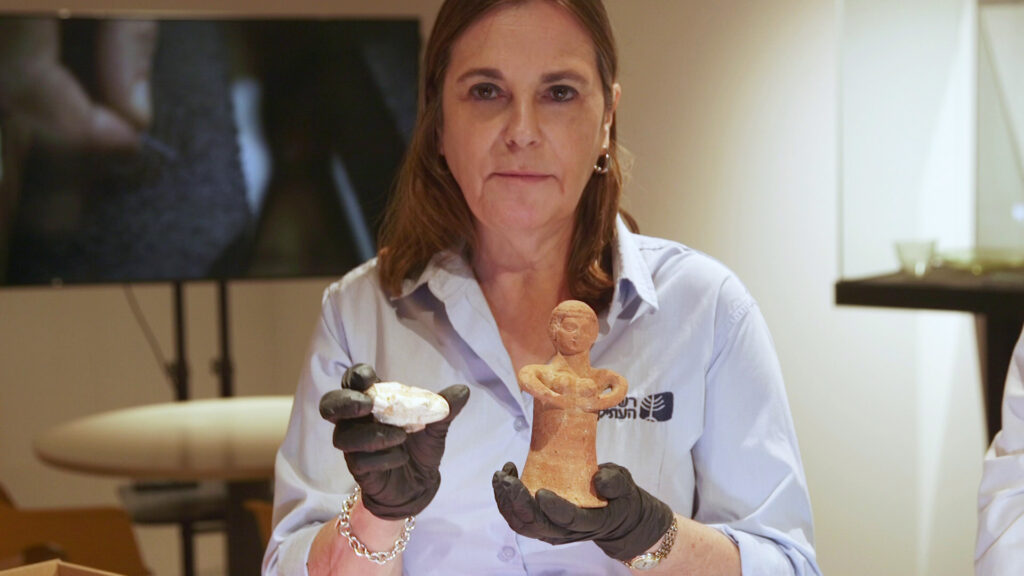
The Bible has its own word for these household figures: teraphim, a term used as far back as Rachel’s theft of her father Laban’s household idols in Genesis. The presence of teraphim in Judean homes centuries later, right up to the Babylonian conquest, is precisely the picture the prophets painted and precisely the sin they condemned.
Israel’s Minister of Heritage, Rabbi Amichai Eliyahu, connected the find to that prophetic record directly. “According to the Sages, the First Temple was destroyed because of three principal sins: idolatry, sexual immorality, and bloodshed,” he said. “The discovery of a mold for producing figurines from the First Temple period in the heart of Jerusalem offers us a tangible glimpse into the world in which the prophets of Israel lived and into the spiritual and cultural realities they confronted.”
Eilat Lieber, Director and Chief Curator of the Tower of David Museum, called the discovery a rare, tangible link to the city’s past. This summer, the museum is inviting families to take part in that history directly, sifting soil from the Kishle excavation for themselves in search of further finds. The activity requires closed-toe shoes and is not wheelchair accessible; details are available at tod.org.il.
A single piece of clay, pulled from beneath a Jerusalem courtyard, now stands as physical testimony to exactly what Jeremiah accused Judah of doing three thousand years ago. The soil did not lie, and neither did the prophets.
As part of the summer activities at the Tower of David Jerusalem Museum, families are invited to sift soil from the Kishle excavation in the hope of uncovering additional finds. The activity involves hands-on fieldwork, and closed-toe shoes are recommended. Please note that the activity is not accessible. For information and dates: https://www.tod.org.il/event/kishle-families/