

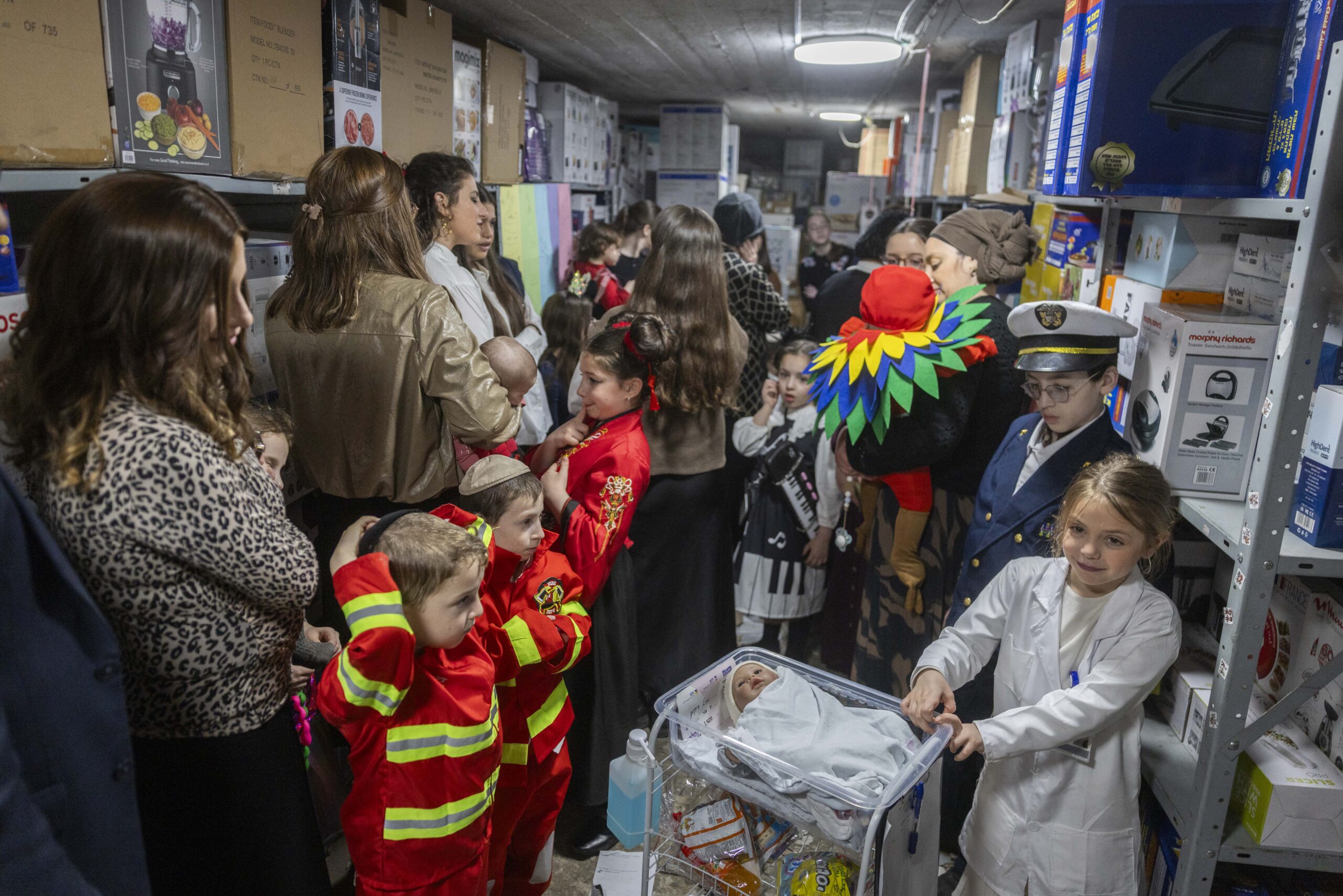
Ramat Gan, Eilat, and Karmiel opened all their public bomb shelters on Thursday after municipal assessments found that the risk of Iranian missile fire over the weekend had increased and was no longer negligible, officials in the three cities said. Kiryat Gat followed shortly after. The Israel Defense Forces said no directive had been issued to open public shelters, and that Home Front Command guidelines and policy remain unchanged.
“We decided to open all the shelters in the city,” Ramat Gan Mayor Carmel Shama-Hacohen wrote in a social media post. “A situation assessment found that the risk of missile fire from Iran over the weekend has increased and is no longer negligible. Despite the cost of opening them, it is right to exercise extra caution, and hopefully this opening will prove unnecessary.” Shama-Hacohen called on residential building committees to ready their shared shelters, but stressed the move was a municipal precaution rather than a response to any new national alert. “There is no special warning from the Home Front Command,” he said, adding, “In any event of another round, there is no reason to panic. We have the IDF and the air force to defend us and to attack far from here as well.”
Eilat’s municipality said its Emergency and Security Division had opened public shelters and was conducting frequent patrols alongside supervision and enforcement units, and that operators of dual-purpose shelters had been told to be ready to open immediately on short notice. Karmiel Mayor Moshe Kuninski struck a similar note of caution without alarm. “I would like to reassure the residents of Karmiel; there is no change in the instructions, and there is no reason to panic,” he said. “The opening of the shelters is only a step in preparation and responsibility. We are prepared for any scenario and are working in full cooperation with all security agencies.” Israel’s Supreme Hospitalization Authority also met Thursday to review emergency preparedness with hospitals and health funds, though no special instructions have been issued to the public.
Ramat Gan has been among the hardest-hit Israeli cities in the current conflict; an Iranian missile struck a residential building there in March, killing an elderly couple. The Defense Ministry and Home Front Command have separately announced plans to install 1,000 new public shelters and renovate 500 others nationwide.
Iran Threatens Tel Aviv
The precautions come as the United States sharply escalates its own military campaign against Iran, now in its 13th consecutive night of strikes, and as Tehran signals it is prepared to hit Israel directly if Washington goes further. Two Iranian officials cited by The New York Times said the next phase of the escalation would include a strike on Tel Aviv if President Trump follows through on threats to hit Tehran and its infrastructure directly, with Iran also expected to ask the Houthis in Yemen to impose a maritime blockade on the Bab al-Mandab strait. Israel took part in the opening strikes on Iran when the current war began on February 28 and has largely sat out the latest round of fighting; Iran has not struck Israeli territory in recent weeks, even as it continues trading fire with US forces across the region.
Iran has rejected the latest US ceasefire proposal, delivered Thursday through Iraqi mediators after Iraqi Prime Minister Ali al-Zaidi met with Trump at the White House and carried the offer to Tehran. Iranian officials told the mediators they were not interested in a “temporary deal” that left the status of the Strait of Hormuz unresolved, a central sticking point throughout the negotiations. Al-Zaidi’s office said he had traveled to Tehran to urge dialogue and pledged that Iraqi territory would not be used to launch attacks on Iran.
A Widening US Campaign
US Central Command carried out its 13th straight night of strikes on Iranian military targets Thursday, part of a campaign now approaching two weeks aimed at degrading Tehran’s ability to threaten commercial shipping through the Strait of Hormuz. “This is the 13th consecutive night of strikes aimed at holding Iran accountable and reducing threats from the Islamic Revolutionary Guard Corps to commercial shipping,” CENTCOM said in a statement. Trump told Axios he is seriously weighing a return to major combat operations against Iran, on a scale larger than the strikes carried out earlier in the war. “I am considering a massive attack. Bigger than ever before. I am close to making a decision. We are all set for it,” he said, adding that Israel “would join in two minutes if I ask them to,” though he said Washington does not need Israeli help to launch a new operation and warned there would be consequences for Israel if it did join in, an apparent reference to Iranian retaliation. Trump said Iran wants to negotiate but has not been willing to make a deal: “They haven’t received enough pain yet.”
The fighting has already pushed oil prices past $100 a barrel, and Iran-backed Houthi rebels in Yemen have begun striking Saudi vessels in the Red Sea, opening a second front in the fight over the region’s oil shipping routes. Trump warned on Truth Social that further Houthi attacks would bring consequences for Iran directly, calling the group an Iranian proxy that would face “major military punishment” alongside Tehran itself.