




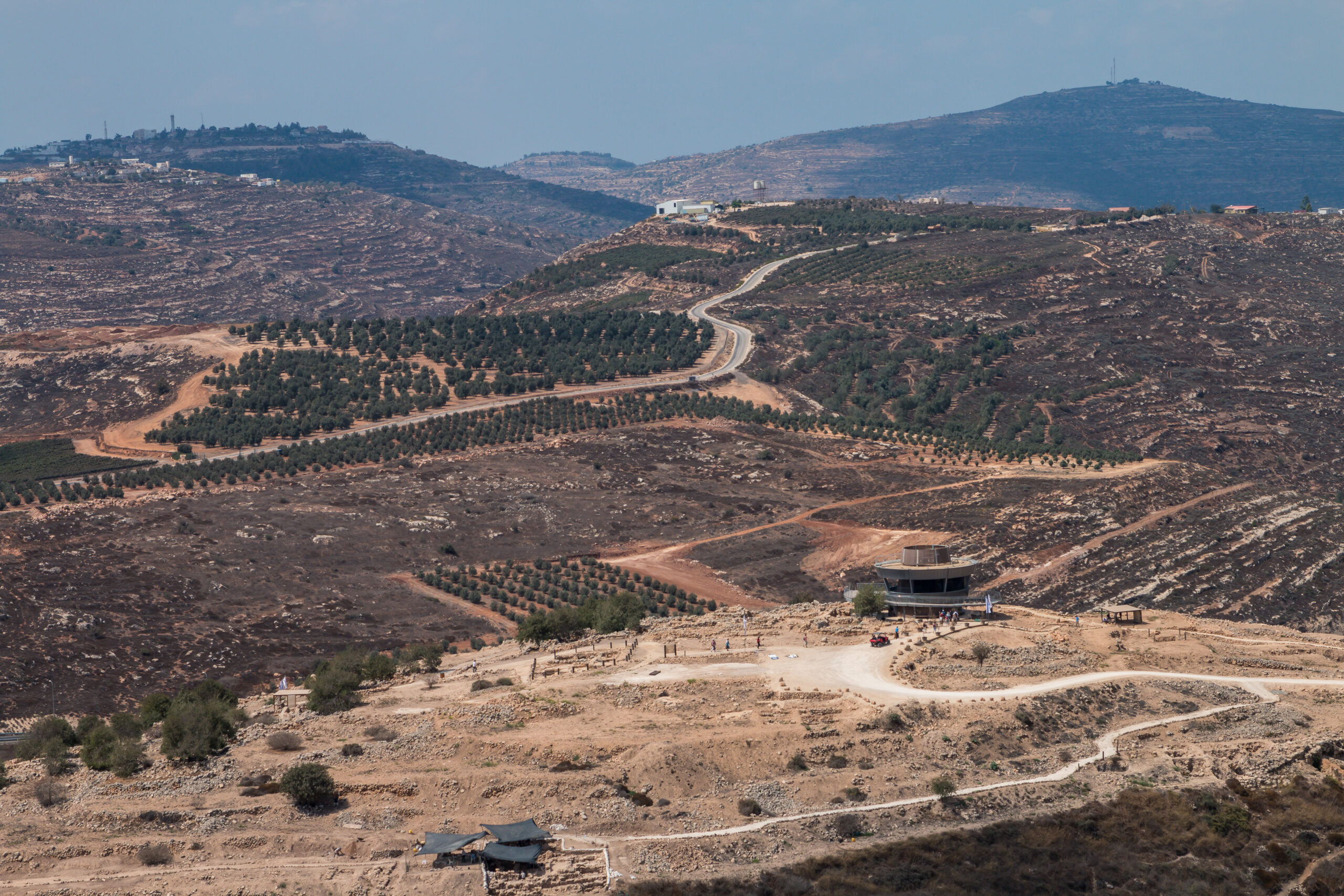
For decades, tourists standing at the overlook above Shiloh or walking the ancient road to Beth El faced the same problem: there was nowhere to spend the night. Israel’s Cabinet moved to change that on Sunday, approving a 27 million shekel (approximately $9 million) plan to remove planning obstacles and fund the construction of hotels across Judea and Samaria, the Tourism Ministry announced.
The program, led by Tourism Minister Haim Katz, allocates 7 million shekels (approximately $2.3 million) to advance statutory planning for hotel projects between 2026 and 2030, along with 20 million shekels (approximately $6.7 million) in direct grants to entrepreneurs building, expanding, or converting hospitality properties. The grants can reach up to 28% of a project’s approved investment, combining a base grant of 20% with an additional bonus of up to 8% under the building permit track. A committee appointed by the Tourism Ministry’s Director General will oversee distribution according to procedures still to be published.
Katz framed the initiative as a long-overdue correction. “For the first time, we will lead a comprehensive move that combines planning, infrastructure development, the creation of land zoned for hotels, and a dedicated track to encourage construction,” the minister said in a statement. “This will remove barriers, provide certainty for developers and lay the foundation to increase the supply of hotel rooms, attract tourists and strengthen the local economy.”
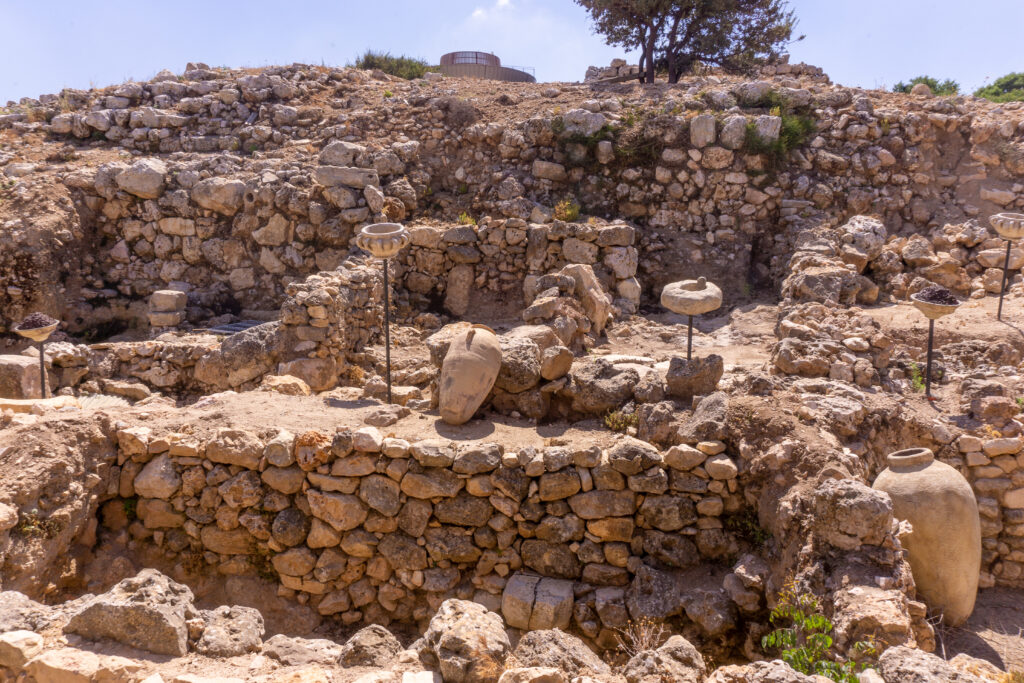
The Tourism Ministry identified the shortage of land zoned for hotel construction as the central obstacle blocking tourism growth in the region. Under the new plan, the ministry will prepare statutory plans for hotel projects and identify sites suitable for development or marketing. The numbers behind the announcement expose the gap the government is trying to close: only about 115 million shekels (approximately $38 million) have been invested in Judea and Samaria tourism infrastructure over the past decade, compared with more than 2 billion shekels (approximately $666 million) invested elsewhere in the country during the same period.
Sunday’s decision builds on a program approved in May, which allocated 50 million shekels (approximately $16.7 million) for public tourism infrastructure, including hiking trails and historical sites, across the same region. Prime Minister Benjamin Netanyahu’s government has pursued what officials describe as an unprecedented expansion of Israeli presence in Judea and Samaria, approving tens of thousands of housing units and dozens of new communities over the past three and a half years.
For visitors who have driven past Hebron or Shiloh on a day trip, unable to linger long enough to absorb what they were seeing, the shortage of hotel rooms has meant one thing above all: more time for people to spend in the land.
Nearly four thousand years after God gave the land of Israel to Abraham and his descendants, the Cabinet’s decision to fund hotels across Judea and Samaria serves the same purpose: allowing people to walk through the land, from end to end, rather than merely passing through it.
Judea and Samaria hold some of the most significant sites in the Bible, and a lack of overnight lodging has long forced visitors to rush past them. Hebron, the first capital of King David and burial place of the Patriarchs and Matriarchs, houses the Cave of Machpelah, purchased by Abraham as a burial plot for Sarah (Genesis 23). Nearby, Tel Rumeida preserves the remains of ancient Hebron itself. Gush Etzion offers the Path of the Patriarchs, ancient ritual roads and lookout points toward Jerusalem, along with the story told through the Sound and Light Show at Kfar Etzion. On the road toward Bethlehem stands the tomb of the matriarch Rachel, who died giving birth to Benjamin and was buried “on the road to Ephrath” (Genesis 35:19).
Further north, three sets of ancient footprint-shaped stone structures at Argaman, Yafit, and Rimmonim mark the path tradition holds the Israelites took after crossing into the land from the east bank of the Jordan. Mount Kabir offers a view toward Shechem and the Tomb of Joseph, while Mount Gerizim and Mount Ebal, the Mount of Blessing and the Mount of Curses, mark the site of Joshua’s altar and preserve the story of the Samaritan community, whose museum sits atop Mount Gerizim. The road north also passes the Graves of the Sons of Israel and the Mikmash pass mentioned in the Book of Samuel, continuing to Beth El, where Jacob dreamed of a ladder reaching to heaven (Genesis 28:12), and to ancient Shiloh, home to the Tabernacle for 369 years before the Temple stood in Jerusalem.
Every one of these sites has waited generations for the infrastructure to match its significance. The government’s decision to fund hotel construction across Judea and Samaria is not simply an economic measure. It is the removal of an artificial barrier between visitors and the land God commanded Abram to walk in its length and its breadth.

