

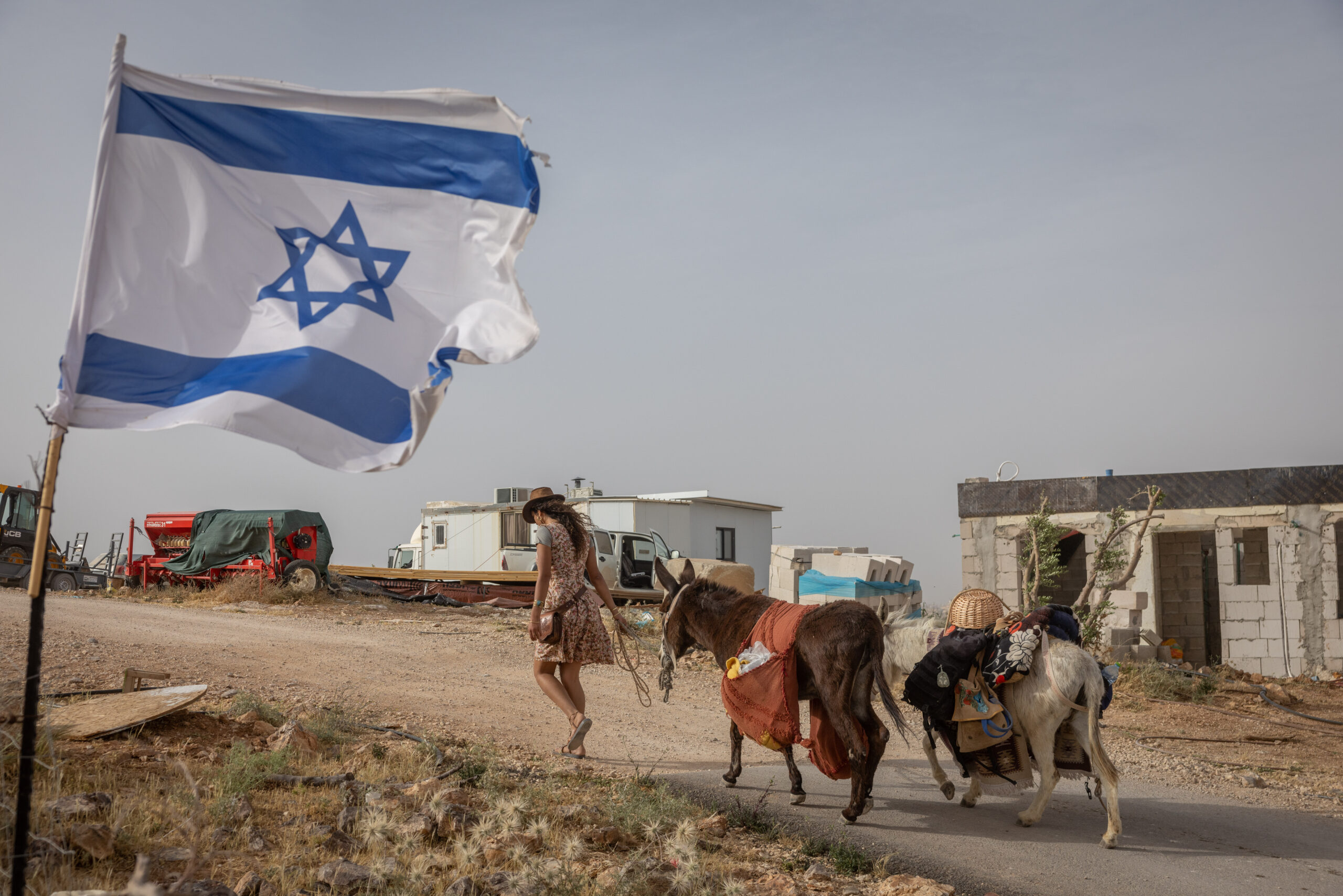
The Israeli cabinet voted Thursday on a funding plan that would advance the establishment of 61 new communities across Judea and Samaria, a move that could reshape the map of the biblical heartland more dramatically than anything seen in decades. The proposal, championed by Finance Minister Bezalel Smotrich, would allocate more than $350 million over several years to move the newly authorized settlements from the planning stage into physical reality — roads, utilities, homes, public buildings, and community infrastructure included.
🚨🇮🇱🇵🇸 While the Trump administration – along with governments across Europe and the Middle East – is focused on the escalating crisis with Iran, the Israeli cabinet is expected to approve on Thursday a plan to fund the de facto establishment of 61 new settlements in the occupied…
— Barak Ravid (@BarakRavid) June 11, 2026
The scale is historic. From late 2022 to April 2026, the government approved or legalized 103 settlements. The new proposal sharply accelerates that trajectory, funding not just temporary residential compounds but also the full permanent infrastructure beneath them — water connections, sewage systems, land preparation, and road networks. A spokesperson for Smotrich told Reuters the sites are not new settlements but existing authorized communities being properly resourced for the first time.
The vote follows a government decision approved last week that allocated roughly $35 million for planning and regulatory work connected to the same communities. Thursday’s vote moves the project from paper to ground. Many of the targeted locations sit in areas of acute strategic importance: along Highway 90 in the Jordan Valley, in the South Hebron Hills, and in corridors designed to create territorial continuity between existing Jewish communities in the region.
The timing is deliberate. The government faces the possibility of a Knesset dissolution vote that could trigger new elections, complicating or halting future large-scale budget allocations. Pushing the funding through now locks in commitments before any such disruption. Meanwhile, international attention has been consumed by the escalating crisis involving Iran and the United States, giving Israel a political window that its leadership is using with purpose.
The land these communities are being built upon is not incidental geography. Judea and Samaria are the geographical and spiritual core of what the Hebrew Bible calls Eretz Yisrael — the Land of Israel. The very names echo the tribes, the patriarchs, the prophets. Hebron is where Abraham purchased the Me’arat HaMachpelah — the Cave of Machpelah — as the first Jewish real estate transaction in history. The Jordan Valley is the corridor through which Joshua led the Israelites into their inheritance. When the prophet Yirmiyahu — Jeremiah — spoke of Jewish return to the land, he was not describing Tel Aviv.
The Sages understood that physical settlement of the land is itself a form of divine service. The concept of yishuv ha’aretz — settling the land — appears throughout rabbinic literature not as a political position but as a religious obligation binding on the Jewish people in every generation. What the Israeli government is doing with bulldozers and budget allocations, the Bible has been mandating for three thousand years.
Last week, Smotrich also announced plans for more than 2,000 new homes in three existing settlements. The cumulative picture is one of a government moving on multiple fronts simultaneously — planning approvals, budget allocations, infrastructure commitments — to ensure that the Jewish presence in Judea and Samaria becomes structurally irreversible.
The proposal’s geographic targeting is not accidental. The Jordan Valley forms the eastern security spine of the country, serving as a natural barrier between Israel and the Hashemite Kingdom of Jordan. Israeli control of that corridor has been a consensus position across Israel’s security establishment for decades, cutting across party lines. The South Hebron Hills anchor the southern approach to the country’s population centers. Communities that create territorial continuity between existing settlements eliminate the isolated, vulnerable pockets that have historically made Israeli civilians easy targets for terrorist attacks.
The funding structure itself is designed for durability. By establishing temporary compounds while permanent planning procedures run their course, the government creates facts on the ground — communities with residents, children in schools, businesses open — before any political reversal could undo them. A community of families is far harder to dismantle than a line on a planning document. This is not a loophole. It is the recognition that in the Middle East, presence is policy.
Prime Minister Benjamin Netanyahu’s office did not comment publicly on the reported funding decision ahead of the vote. Netanyahu has navigated competing pressures throughout his current term — coalition partners to his right who demand acceleration, international partners who demand restraint — but the trajectory of his government’s actions has been consistent. More housing, more infrastructure, more Jewish presence in the lands the Bible promised to the descendants of Abraham, Isaac, and Jacob.
The world is watching Iran. Israel is building Judea and Samaria.