


On a Saturday phone call with the leaders of Saudi Arabia, the UAE, Qatar, Pakistan, Turkey, Egypt, Jordan, and Bahrain, President Donald Trump dropped a demand nobody in the room wanted to hear: normalize relations with Israel or the Iran deal is off the table. According to two U.S. officials who spoke with Axios, Trump told the assembled leaders that any agreement ending the war with Iran must come paired with expanded recognition of the Jewish state. The response from the Muslim and Arab leaders on the line? Silence. Trump reportedly joked, asking if they were still there.
Trump’s demand was anything but subtle. In a Truth Social post on Sunday, he thanked Middle Eastern countries for their cooperation and then wrote that the agreement “will be further enhanced and strengthened by their joining the Nations of the historic Abraham Accords, and, who knows, perhaps the Islamic Republic of Iran would like to join, as well!” He later posted a “mandatory request” naming Pakistan, Egypt, Turkey, Qatar, and Saudi Arabia by name.
The reaction from Arab capitals ranged from dismissal to laughter. One Gulf Arab diplomat, granted anonymity, called it “a smart tactic to calm down the angry base,” adding, “He will keep bringing it up again and again. But it will not be part of the deal.” A former U.S. official said Arab contacts are treating the demand as a “poison pill.” Another former official described the reaction from Middle Eastern government contacts as “disbelief and frustration.”
Pakistani Defense Minister Khawaja Asif was the most direct, telling Samaa TV, “In my personal view, I don’t think we’ll be part of any accords like this. It would clash with our fundamental views.”
Pakistan will not accept the Abraham Accords. Our passport explicitly states it is valid for all countries except Israel. We stand firmly with Palestine. – Defense Minister Khawaja Asif pic.twitter.com/4DWB7ltheL
— SILENT BRIEF (@SilentBriefHQ) May 26, 2026
Saudi Arabia’s position remains frozen: no normalization without a pathway to a Palestinian state. Riyadh is also reportedly unlikely to move before Israeli elections, which must take place by October.
Meanwhile, Jerusalem is alarmed for different reasons. Channel 12 reported that senior Israeli officials warned that the emerging deal, which begins with a 60-day extension of the ceasefire, “does not serve Israel’s interest.” The concern is that the agreement leaves Tehran’s nuclear program, ballistic missile development, and regional proxy network entirely untouched, granting Iran an economic and military recovery window that Israeli officials fear will be nearly impossible to reverse. As one official put it, “It will be hard for the Americans and us to go back and fight.”
Senator Lindsey Graham called Trump’s normalization push “brilliant,” warning that countries refusing it face “severe repercussions for our future relationships.” Graham added that rejecting the path would be “seen by history as a major miscalculation.” U.S. Secretary of State Marco Rubio, for his part, pushed back on the pace of negotiations, telling The New York Times that a nuclear deal cannot be achieved “in 72 hours on the back of a napkin.”
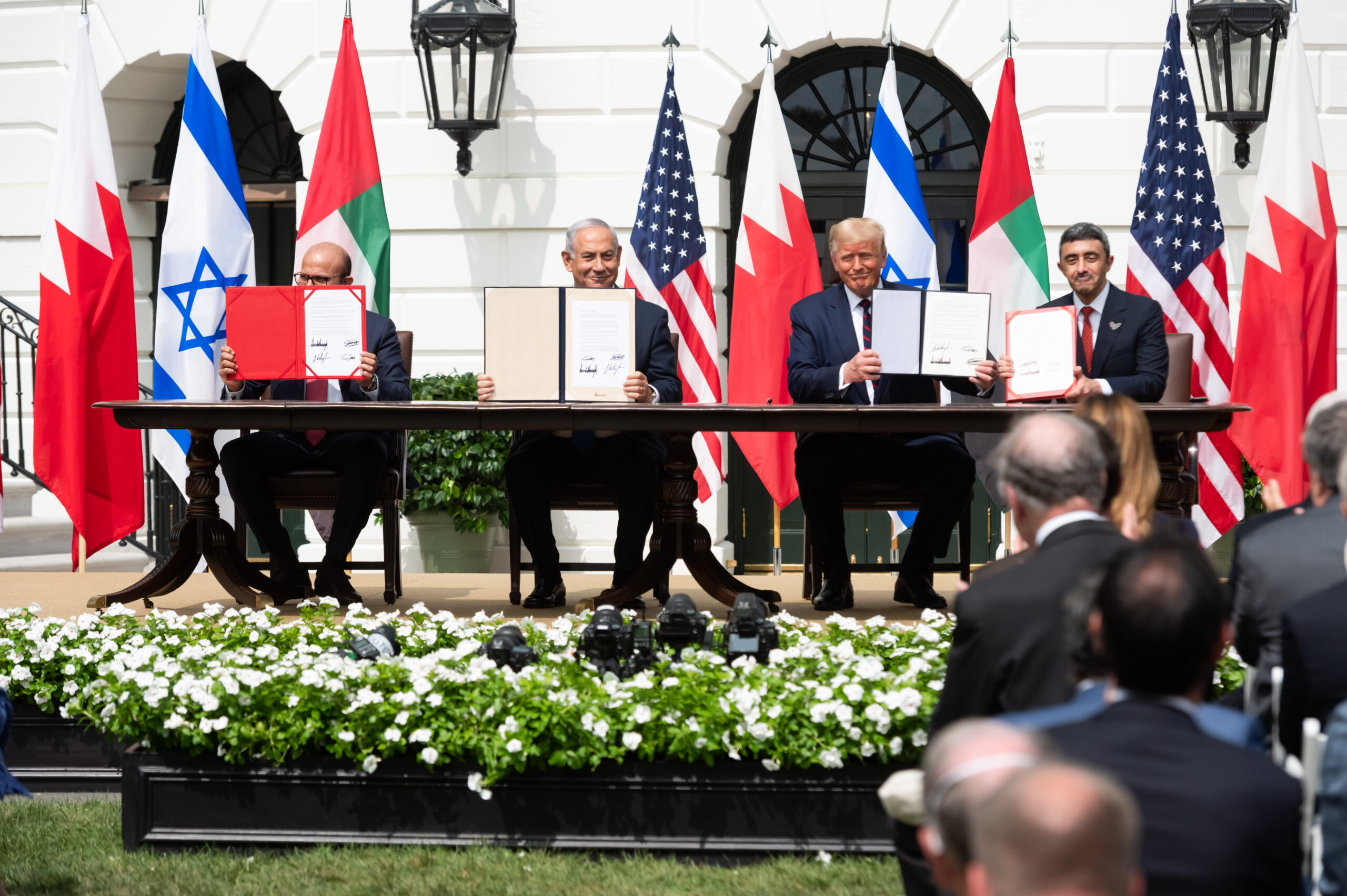
The Abraham Accords of 2020 were a beginning, not a ceiling. The UAE and Bahrain stepped forward. Now Trump is demanding more countries take that step, and the silence from Riyadh, Islamabad, and Doha is not final. It is a test. History will record whether they passed it.

