
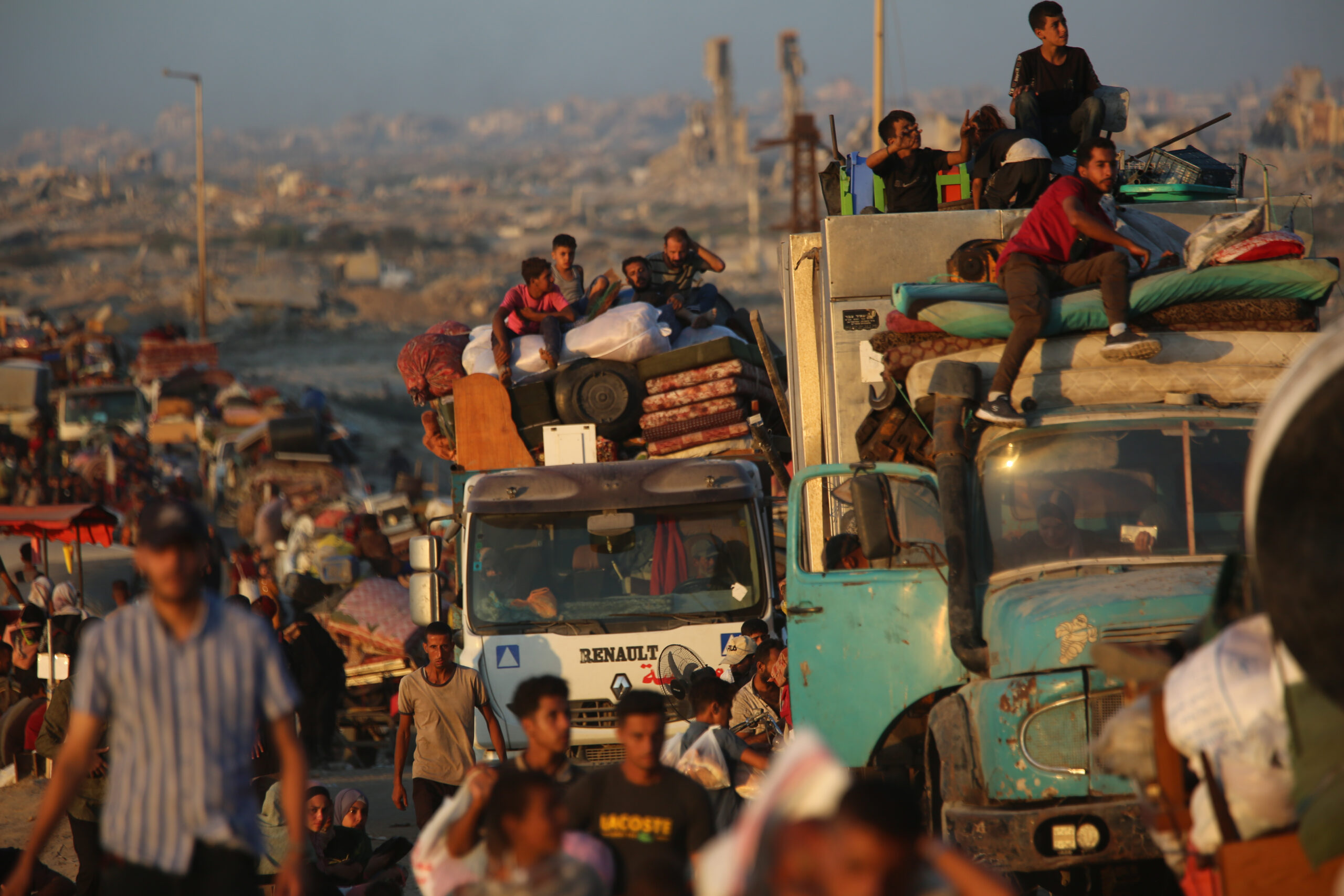
A new survey from Israel’s Coordinator of Government Activities in the Territories (COGAT) tells a story that Hamas does not want told: nearly 80% of Gazans surveyed expressed interest in emigrating from the Gaza Strip. The findings, presented to senior Israeli officials and reported by The Jerusalem Post, show that an overwhelming portion of Gaza’s civilian population is focused not on resistance, not on a Palestinian state, but on leaving.
The COGAT survey asked respondents what topics they wanted more information about. Nearly 80% said they wanted details on how to relocate to a third country through the Rafah and Kerem Shalom crossings. Only 17.5% asked about food and humanitarian aid. A mere 2.5% asked about medical issues. The breakdown is striking in what it reveals: among a population enduring active warfare, the dominant concern is not survival inside Gaza but escape from Gaza entirely. These are the priorities of a population that has abandoned Hamas and its genocidal war against Israel and has concluded that there is no future inside the Strip.
Israeli officials presented the findings as hard evidence that a substantial portion of Gaza’s civilian population has mentally and emotionally decoupled from Hamas’s narrative. The focus among ordinary Gazans on emigration pathways, specifically through two crossings controlled in large part by Israel, reflects a civilian calculus that has nothing to do with resistance ideology and everything to do with the recognition that Hamas’s governance has produced a dead end. Some Israeli officials believe the true number of Gazans wanting to leave is even higher than the survey shows, noting that respondents may not have fully grasped the question or may have been reluctant to state their views openly in a survey environment.
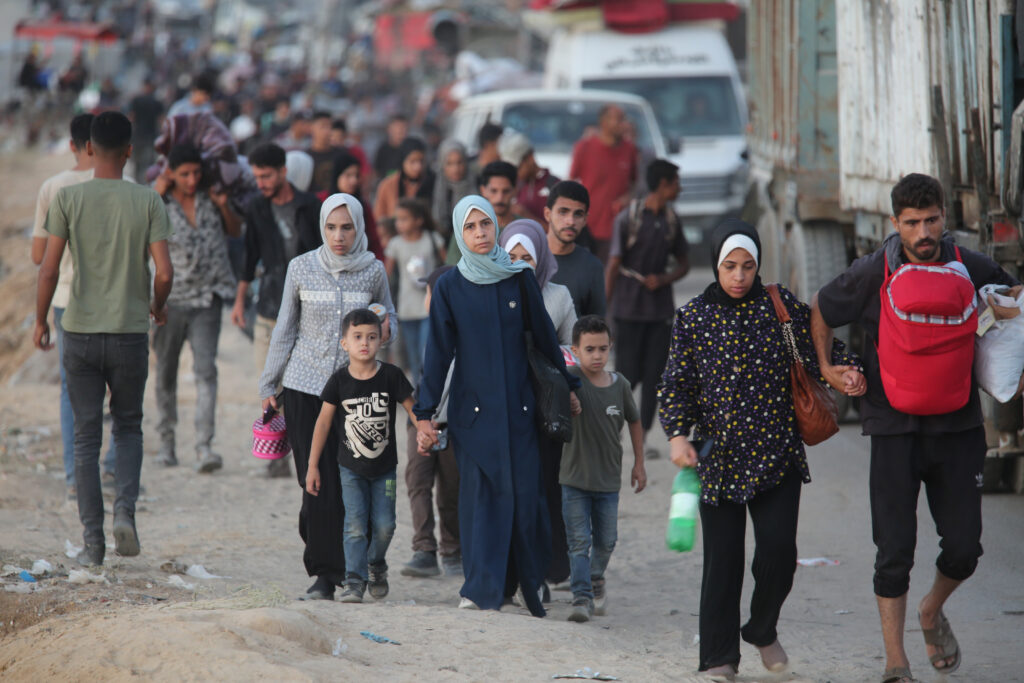
The crossings themselves tell part of the story. Since the war began following the October 7 Hamas massacre, more than 44,000 Gazans have already exited the Strip through Rafah and Kerem Shalom. Among them are medical patients, individuals holding valid visas for third countries, and others with means to leave. Approximately 2,500 departed through Rafah after the crossing reopened in February under the ceasefire arrangement. In just one week, COGAT coordinated the evacuation of approximately 130 Gazans to Jordan via Kerem Shalom alone.
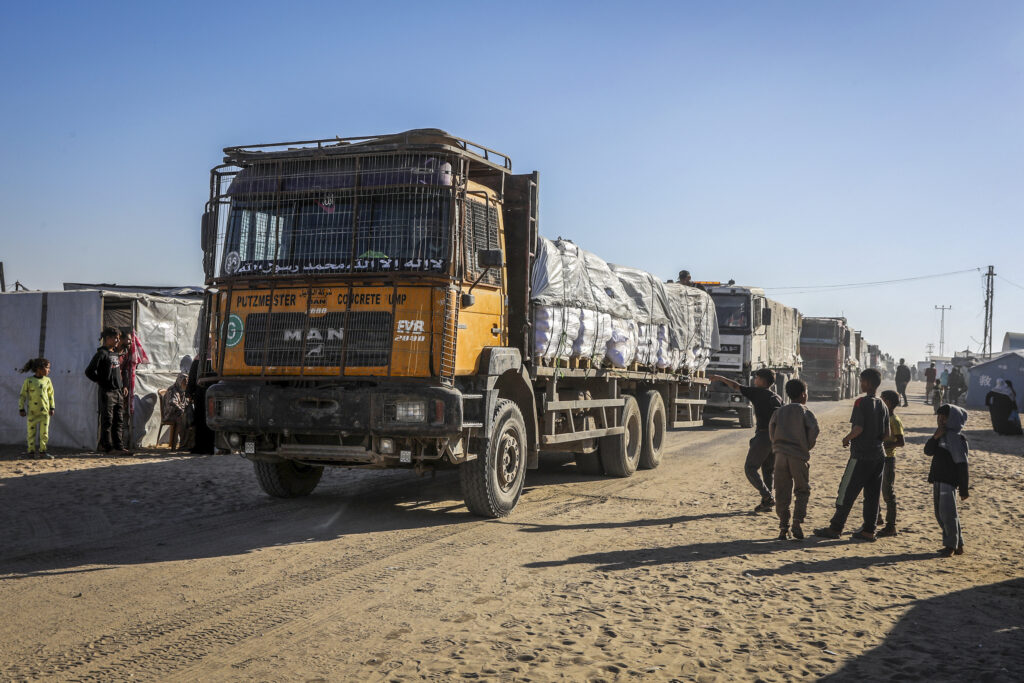
At the same time, COGAT reported facilitating the entry of 30,000 humanitarian aid trucks into Gaza between May 10 and May 14, including a large shipment of engine oil to keep UN humanitarian facilities operational. Over 440 tons of medical equipment entered the Strip during that same week, including 10 trucks of medicine and medical supplies provided by the World Health Organization. The same Israel that the world accuses of genocide is the entity organizing Gazans’ medical evacuations, coordinating their humanitarian supply chains, and, increasingly, processing their departures.
The Amit Terrorism and Intelligence Research Institute documented the beginnings of this mass exodus years before October 7. Since Hamas seized control of Gaza in 2007, between 250,000 and 350,000 young adults, overwhelmingly young men, left the Strip, with Turkey serving as the first stop on routes toward Europe and Canada. In September 2023, weeks before the Hamas massacre, violent clashes erupted outside a Gaza City travel agency that held a monopoly on Turkish visas. In one week alone, 18,000 visa applications were submitted to Turkey, with a waiting list of 83,000 people seeking to exit through the Rafah Crossing. Palestinian internet searches for the word “emigration” spiked sharply.
Gaza-based economic researcher Muhammad Abu Jayab said at the time that “record numbers of Gazans had emigrated, and many more wanted to,” citing unemployment, collapsing private sector infrastructure, and what he called “the loss of hope for the future.” He added bluntly that most young emigrants “would not leave if they found employment that would guarantee them a future and respect.” Hamas, which has governed Gaza since 2007, has had nearly two decades to build that future. It built tunnels instead.
Human rights activist Salah Abd al-‘Ati warned that the rising desire to emigrate, and the accompanying rise in suicide, was “fraught with danger,” and called on the Hamas government to create employment programs for youth. The PA-affiliated newspaper al-Hayat al-Jadeeda was even blunter, writing that life under Hamas “was not just difficult, it was hopeless,” and that Hamas had failed in education, governance, and basic administration.
Hamas has built its entire ideology on the premise that the Palestinian people are an immovable force of resistance rooted in the land. The survey says otherwise. The people of Gaza are not pining for a Palestinian state. They are searching for a way out of the one Hamas built for them.