




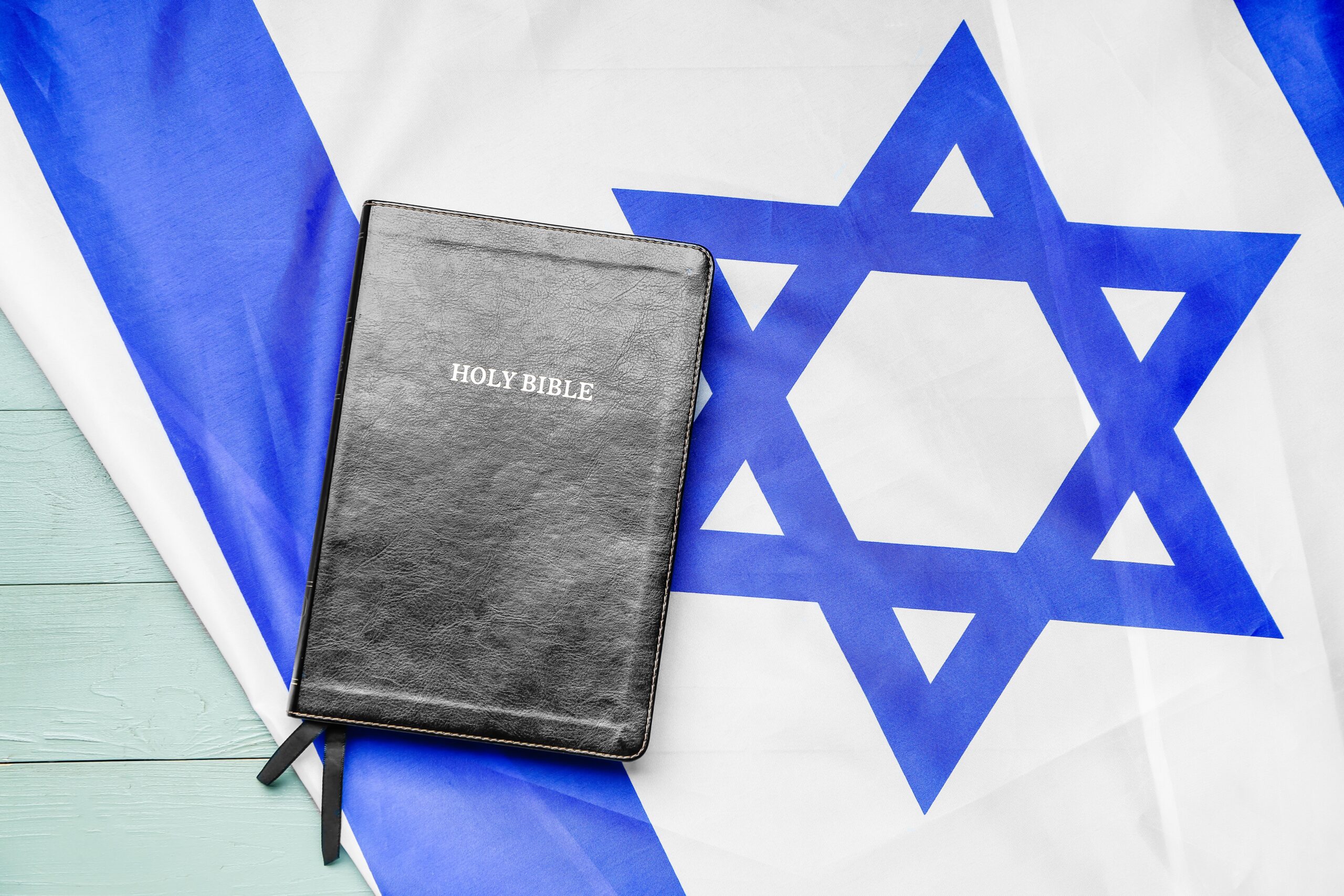
A prominent theologian has challenged Daily Wire host Michael Knowles’ recent criticism of Christian Zionism, arguing that the conservative commentator misrepresented both the theological tradition and fellow Christian Zionist Robert Stearns.
While praising Knowles for his support of Israel based on international law, Anglican theologian Gerald R. McDermott, who teaches at Reformed Episcopal Seminary in Philadelphia, contested Knowles’ characterization of Christian Zionism as a “niche Protestant trend” that emerged in the 19th century. Instead, McDermott’s response, published on Catholics for Israel argues that Christian Zionism—the belief that God brought the Jewish people back to the land He promised them—dates to the New Testament itself.
The defense cites the Apostle Paul’s letter to the Romans, where he describes the Jewish people as “beloved because of the fathers” and states that their “gifts and calling are irrevocable” (Romans 11:28-29). The theologian notes that “calling” was a technical term for God’s choosing of Abraham’s descendants, while “gifts” included the land promise made in Genesis 17:8.
The response also points to Acts of the Apostles, where Paul explicitly references God giving Israel “their land as an inheritance” after destroying seven nations in Canaan—a statement made more than twenty years after his conversion.
"I have counted… all the places the land promise is repeated either directly or indirectly in the Old Testament. Over 1,000 times."
— Tony Perkins (@tperkins) October 28, 2025
"It's very clear that Jesus believes in the land promise." Dr. Gerald McDermott on Israel's sovereignty over its land, including Judea & Samaria. pic.twitter.com/nkODR0WXxj
Contrary to Michael Knowles’ allegation on Daily Wire that Zionism is alien to Catholic teaching, the article cites several Church Fathers who taught elements of the Christian Zionist hope, including Justin Martyr, Irenaeus, and Tertullian.
More recently, the 2015 Vatican document “The Gifts and the Calling of God Are Irrevocable” pays tribute to “the continued love of God for the chosen people of Israel.” Pope John Paul II in 1991 referred to the return of Jews to the “mountains of Israel” as a fulfillment of Ezekiel’s prophecy.
English Catholic theologian Gavin D’Costa identifies in recent church documents a trajectory toward what he calls “minimalist Catholic Zionism,” based on assertions that the Jewish covenant remains irrevocable and includes the promise of the land.
McDermott defends Eagle’s Wings founder Robert Stearns against specific charges, noting that Knowles relied on secondary sources and misunderstood key statements. Regarding Stearns’ supposedly contradictory answer about whether Christ’s return to Jerusalem would be his first or second coming, the response explains that Stearns meant it would be Christ’s first coming for many Jews and his second for those already converted—a distinction many Catholic preachers have made.
The article also challenges Knowles’ criticism of Stearns for apologizing to Jews for centuries of Christian persecution, pointing to Pope John Paul II’s Day of Pardon Mass in 2000 and Pope Benedict XVI’s 2010 statement at Rome’s Great Synagogue deploring the Church’s historical “failings” regarding antisemitism.
The response concludes by expressing gratitude for Knowles’ work against antisemitism while urging him to reconsider his criticism of a “Christian brother whose teaching is closer to Catholic teaching than he imagines.”
