



Israel’s decision to bar Hamas from staging a political “victory” display on Jerusalem’s Har HaBayit (Temple Mount) during Ramadan reflects hard lessons from years of exploitation of the Muslim holy month as a cover for terror, incitement, and violence.
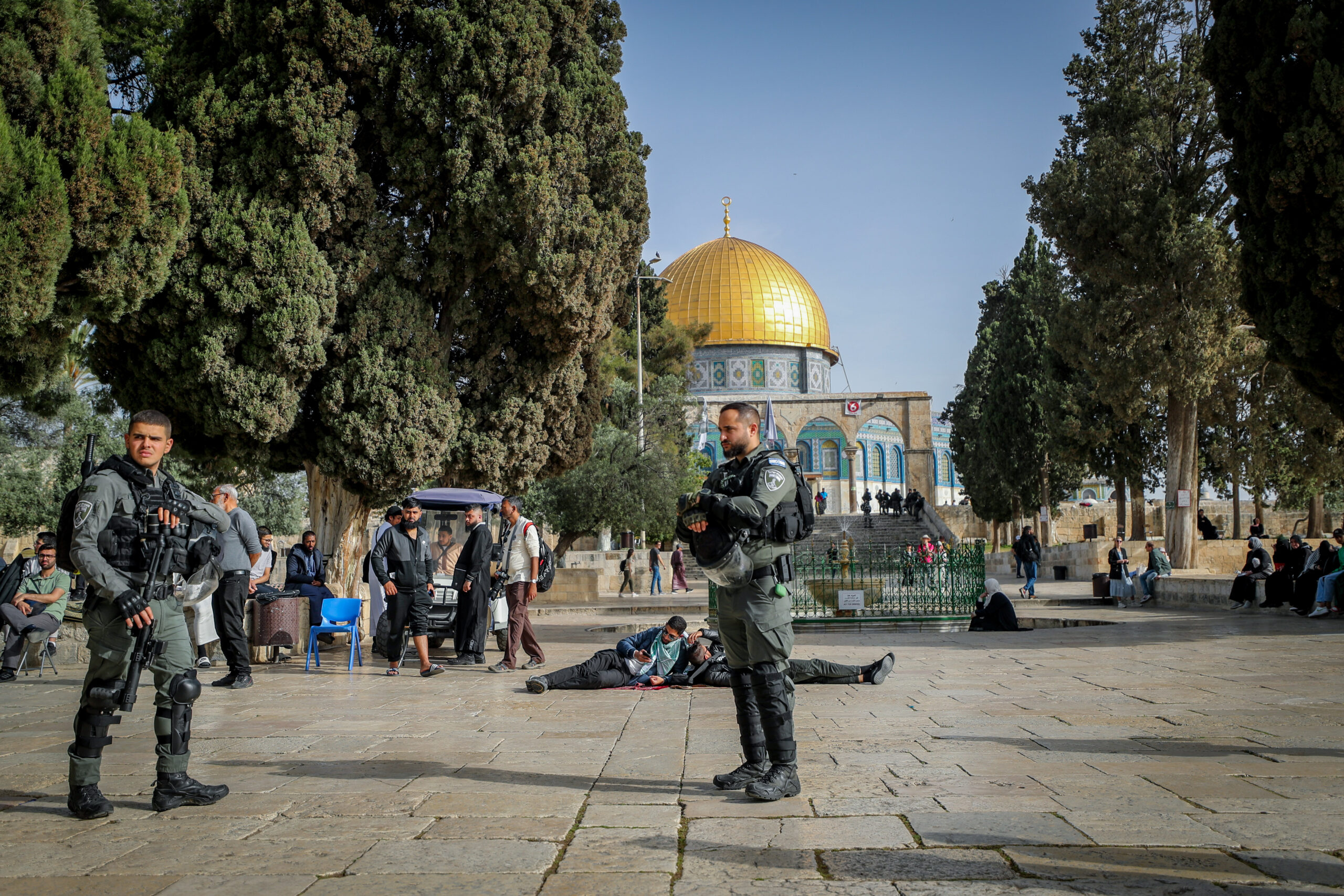
Israeli security officials said this week that they were acting to “maintain security and public order” and to prevent Hamas from staging any spectacle that would project strength or triumph during Ramadan. Chief Superintendent Ido Katzir told the Knesset National Security Committee that Israel wants to “allow observance of the holiday and prayers on the Temple Mount, while at the same time preventing celebrations or the creation of some ‘victory’ picture, which has no place. We won’t allow this.” The police have already detained terrorists and inciters in advance operations ahead of Ramadan.
Across multiple years, Hamas and affiliated Palestinian factions have leveraged Ramadan to press political narratives and to incite against Israel. In April 2023, confrontations erupted after evening prayers at the al‑Aqsa Mosque compound: Palestinians barricaded themselves inside the mosque and attacked officers, prompting Israeli police to enter with riot gear. Around fifty Palestinians were injured, and at least 400 were arrested. In the immediate aftermath, armed groups fired rockets into Israel from both Gaza and Lebanon. The clashes occurred within the Temple Mount.
Similar patterns appeared in 2022, when riots at al‑Aqsa included throwing rocks, firecrackers, and projectiles at security forces on multiple Fridays during Ramadan. Some projectiles even landed below in the Western Wall Plaza. Hamas‑aligned rioters barricaded themselves and disrupted access, forcing police interventions.
These recurring clashes are not isolated to the last few years. A string of Temple Mount confrontations can be traced back decades. The “Temple Mount killings” of October 8, 1990, also known as the al‑Aqsa Massacre, erupted when Palestinian Arabs protested Jewish nationalist plans to lay a cornerstone for the Beit HaMikdash (Holy Temple) on the site. Clashes that day resulted in the deaths of at least 17 Palestinians and more than 150 injuries.
The figures show a mixed picture of violence trends, but a clear pattern of security challenges during Ramadan. Israel’s data from 2025 showed a decrease in terror attacks originating from Judea and Samaria — 27 major attacks in Ramadan 2024 fell to just three in Ramadan 2025. This was widely attributed by the Israel Defense Forces and Shin Bet to intensified counter‑terrorism operations.
At the same time, municipal police reported more than 1.5 million worshippers entering the Temple Mount during Ramadan 2024. Over 100 suspects were arrested for incitement or support of terror, and 172 persons categorized as illegal entrants were detained in Jerusalem’s jurisdiction during that period.
Despite these deterrence efforts, security officials remain wary because Hamas and other terror networks have repeatedly issued public calls during Ramadan for Palestinians from Judea and Samaria and Arab Israelis to mass at the Temple Mount and “oppose attempts by Israel to desecrate and control the site by any means.”
The data show that Ramadan has frequently become a trigger point for Palestinian violence and Hamas political agitation: repeated clashes at the Temple Mount compound, rocket barrages following confrontations, and public calls by Hamas to exploit religious gatherings for propaganda and escalation.
Israel’s police and security services are enforcing restrictions not to suppress worship, but to prevent Hamas from turning Ramadan into a political theatre of incitement and terror. Every Ramadan season that saw clashes or calls for mass protests at the sacred compound underscores why vigilant security measures are necessary to guard peace and protect worshipers.
