




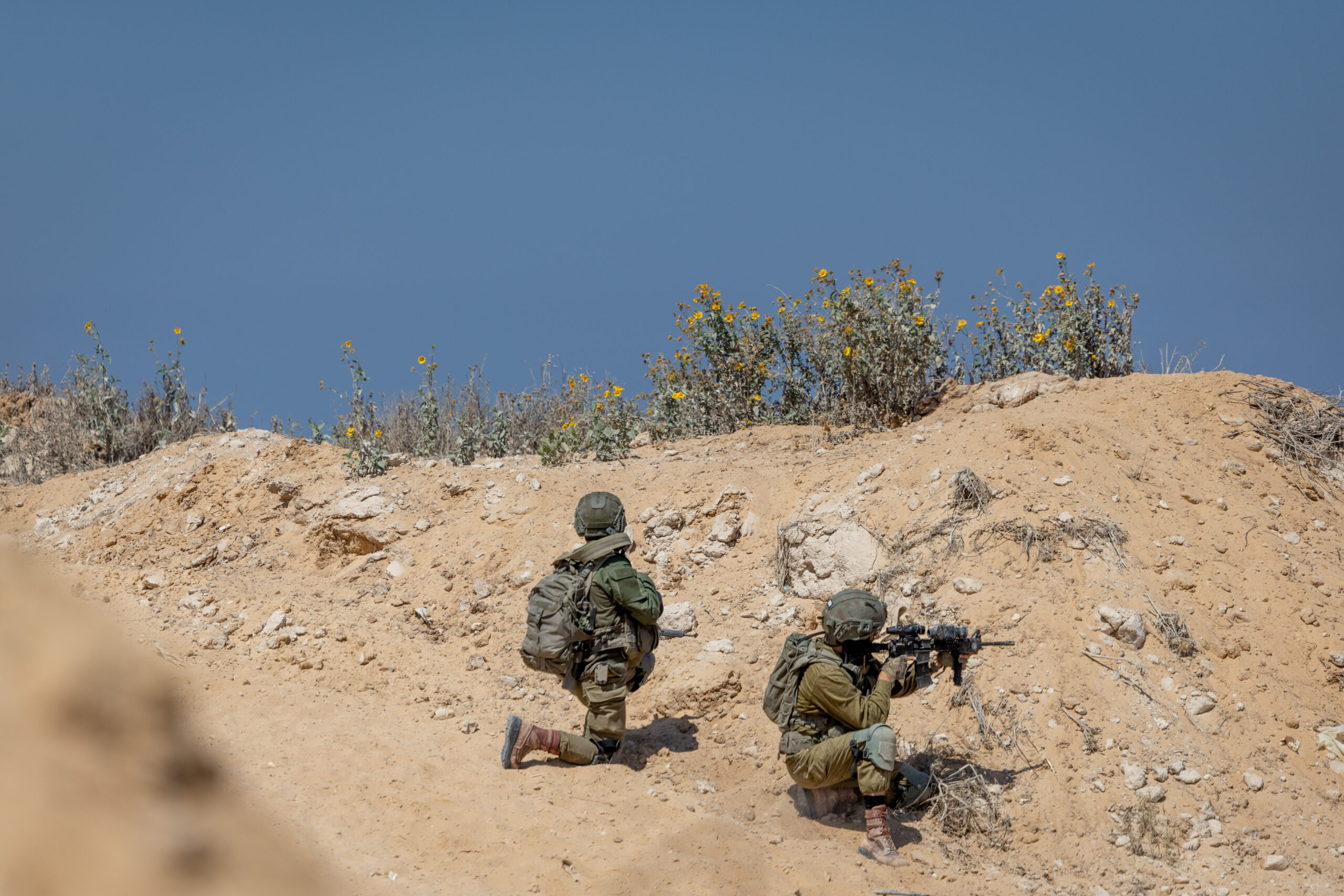
IDF conducts over 20,000 strikes across seven fronts in 2025
In 2025, the Israel Defense Forces (IDF) conducted nearly 21,000 attacks as part of the Seven-Front War of Redemption, according to the military’s annual operational summary released on December 31. The extensive operations spanned across key battle zones, including the Gaza Strip, Iran, Iraq, Judea and Samaria, Lebanon, Syria, and Yemen, involving approximately 430 targeted military operations.
The IDF’s relentless actions saw the destruction of terrorist infrastructure in Gaza, where nearly 14,000 enemy structures were taken out. The Israeli Air Force (IAF) participated in over 19,500 attacks, including hitting 270 weapon depots and other critical targets.
The conflict claimed the lives of 91 Israeli soldiers, with over 800 more wounded throughout the multi-theater warfare. Additionally, around 306,830 reservists were called to action in a year marked by intense conflict and mobilization.
In the complex theater of operations, including Lebanon, the IDF took decisive action, eliminating over 380 Hezbollah operatives and neutralizing around 950 terror targets. As part of its engagement with Iran, the IDF carried out 1,500 strikes, including the elimination of 30 senior officials and 11 nuclear scientists.
The situation in Judea and Samaria saw the neutralization of 230 terrorists and the arrest of more than 7,400 individuals, including significant Hamas operatives. The IDF also confiscated 1,340 weapons and seized approximately 5.1 million shekels ($1.5 million) in funds earmarked for terrorism.
As the year unfolded, Israel’s military preparedness reached new levels, with civilian defense programs such as 1,500 portable bomb shelters installed across the country and hundreds renovated to better safeguard Israeli communities under threat.
IDF thwarts terrorist attack in Samaria
Israeli soldiers recently thwarted an attempted attack in northern Samaria, after a Palestinian terrorist tried to ram them with his vehicle. The assailant was neutralized after attempting to run over IDF troops operating near the village of Einabus, south of Nablus. Fortunately, no Israeli soldiers were harmed in the incident.
This attack is just one in a series of growing threats targeting Israeli civilians and soldiers in the West Bank region. On Friday, another terrorist from Qabatiya carried out multiple assaults in northern Israel, killing two civilians and injuring others before being apprehended by the IDF.
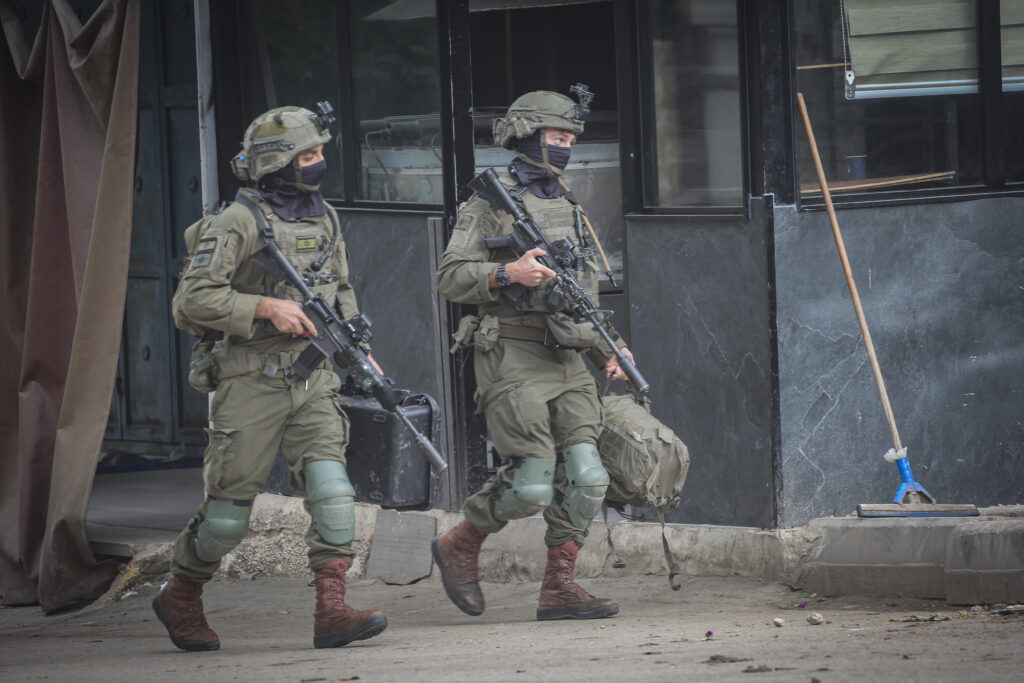
The IDF continues to face challenges, with Palestinian terror attacks escalating in Judea and Samaria. In 2024 alone, Israeli sources reported over 6,300 instances of terror attacks aimed at Israeli civilians in these areas. As a result, IDF operations have intensified, focusing on thwarting terrorist plots and neutralizing the individuals responsible for them.
While the security situation remains volatile, the IDF is committed to ensuring the safety of Israeli citizens in these contested regions, utilizing tactical operations, intelligence gathering, and defensive measures to neutralize threats.
Iran’s ongoing unrest reflects growing dissent against regime
Iran continues to grapple with widespread protests that have now entered their fourth day, with thousands of students, workers, and everyday citizens taking to the streets to demand change. The protests erupted following widespread dissatisfaction with the country’s economic hardships and political repression.
Israeli Prime Minister Benjamin Netanyahu commented on the protests, noting that the Iranian people are “great and gifted” and that their struggle for freedom is deserving of global sympathy. “A change will come from within,” Netanyahu said, calling on the Iranian government to listen to the will of its people.
The protests have been fueled by anger over economic policies that have led to extreme inflation, with the Iranian rial plummeting to an all-time low. In addition, the regime’s violent crackdown on dissent continues, as university students and protestors across the country face intimidation from security forces.
Reports indicate that major state universities have suspended classes, and several regions have experienced disruptions in essential services. Despite the government’s attempts to quell the unrest, the protests show no signs of stopping. Thousands are continuing to challenge the regime’s authority, chanting for an end to theocratic rule and calling for a return to a more democratic governance system.
The escalating unrest comes at a time when Iran’s leadership is dealing with the fallout from both internal dissatisfaction and external pressure, particularly from the United States and Israel. With sanctions continuing to strain the country’s economy and a worsening social situation, the future of the regime is uncertain.


