

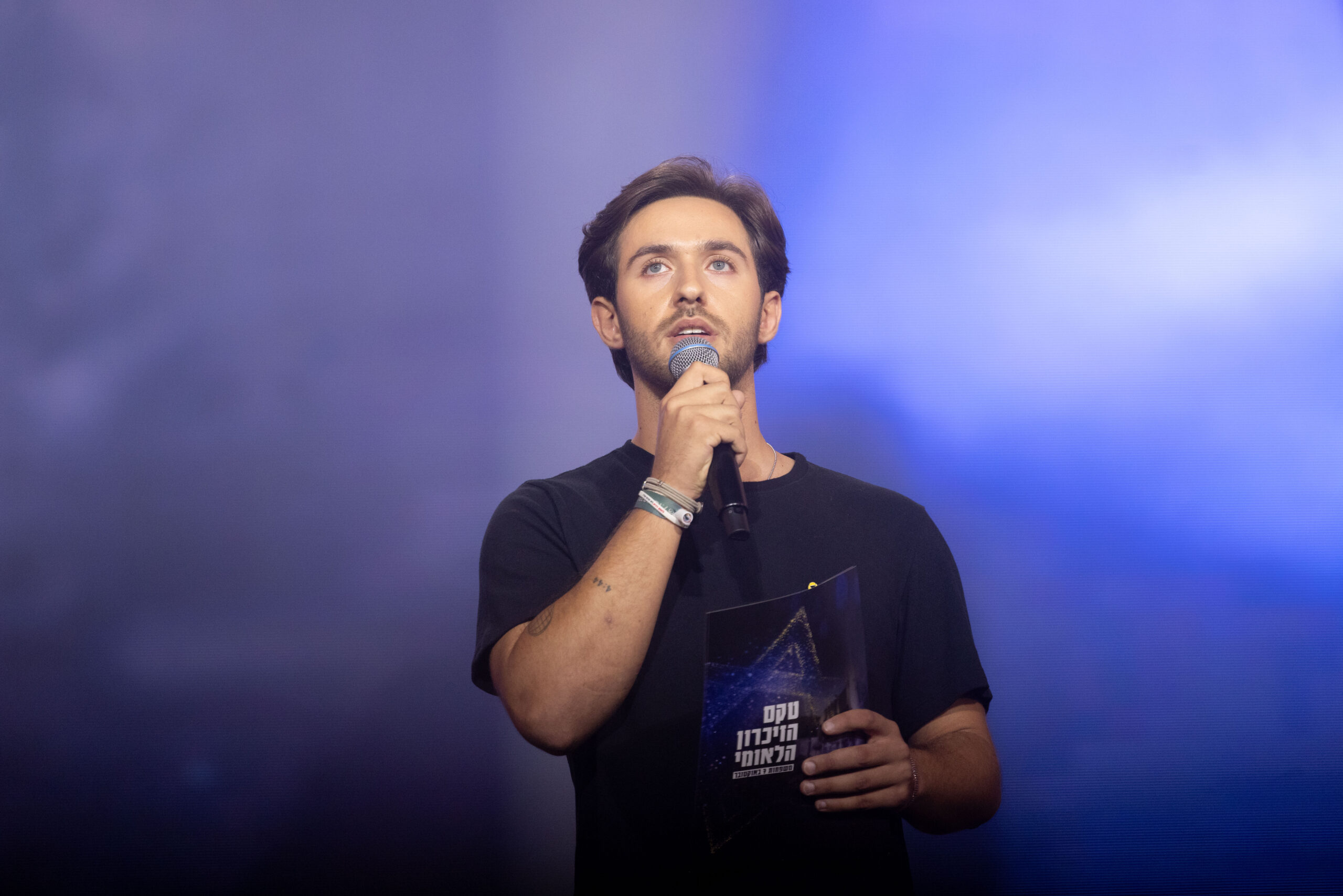
Omer Shem Tov stood before thousands at Turning Point USA’s AmericaFest conference and revealed the source of his survival. For 505 days, he existed in complete darkness beneath Gaza, held captive by Hamas terrorists in underground tunnels. But in that blackness, he found something that kept him alive: the words of Psalm 20, whispered day after day in the void.
“I found a small card with Psalm 20—’Some trust in chariots and some in horses, but we will trust in the name of the Lord our God,'” Shem Tov told the crowd. “I didn’t know it then, but while I was whispering those words in Gaza, my mother was reciting the same psalm in my bedroom in Israel, praying for my return.”
The 21-year-old from Herzliya described the conditions that drove him to prayer. “One moment I was dancing with my friends and the next I was at the back of a pickup truck being dragged into Gaza,” he said. “I spent 505 days underground in terror tunnels. There was no fresh air, no sunlight, no sense of time. Just darkness, pitch black 24 hours a day. I couldn’t see my hand in front of my face. At one point, I thought that I had gone blind.”
Shem Tov grew up in a largely secular household. “Before my captivity, I had never really spoken to God before,” he admitted. But isolation and darkness changed that. “Alone in that darkness, I began to pray. Every day, I spoke to him. I whispered, ‘God, how are you? How was your day? Are you okay?’ And in that darkness, I felt His presence.”
The psalm came to him through an unexpected source. About 100 days into his captivity, the IDF fought directly above him. After the soldiers moved on, they left behind books and materials. His Hamas captors brought them to him. Among the items was a card with Psalm 20 printed on it.
The verse that arrested his attention reads: “Some trust in chariots and some in horses, but we will trust in the name of the Lord our God.” In Hebrew, Eileh varechev v’eileh vasusim, va’anachnu b’shem Hashem Elokeinu nazkir. The word nazkir means “we will remember” or “we will invoke.” The psalm speaks directly to moments when human power fails, and only divine intervention remains.
Shem Tov recited it constantly. The words became his anchor in the abyss. “The psalm continues, ‘Lord, answer us when we call.’ God answered us. In those tunnels, I found God, and He saved me.”
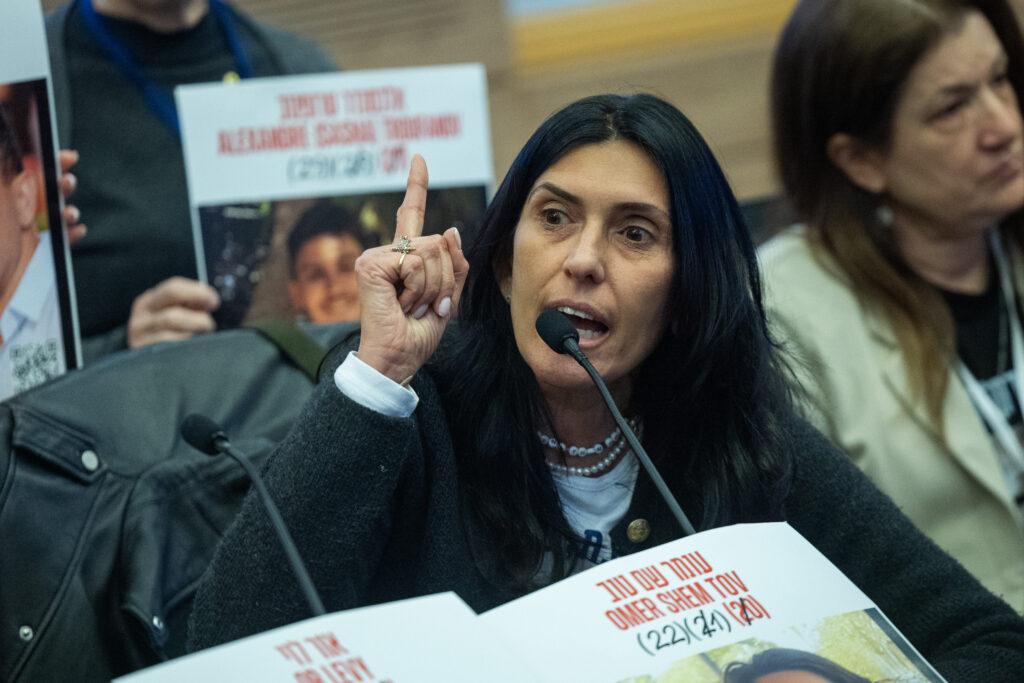
The connection to his mother made the story even more striking. Shelly Shem Tov, waiting at home in Herzliya, had received a card with Psalm 20 from a support group for hostages’ families. She did not choose it. It was given to her randomly, corresponding to her son’s name. While Omer whispered the psalm in the tunnels beneath Gaza, Shelly recited it in his bedroom in Israel. Neither knew the other was speaking the same words.
The full psalm reads: “May the Lord answer you in the day of trouble; may the name of the God of Jacob set you on high. May He send you help from the sanctuary, and strengthen you out of Zion. May He remember all your offerings, and accept your burnt sacrifice. May He grant you according to your heart’s desire, and fulfill all your plans. We will rejoice in your salvation, and in the name of our God we will set up our banners; may the Lord fulfill all your petitions. Now I know that the Lord saves His anointed; He will answer him from His holy heaven with the saving strength of His right hand. Some trust in chariots, and some in horses; but we will remember the name of the Lord our God. They are brought down and fallen, but we are risen and stand upright. Save, Lord; may the King answer us when we call” (Psalms 20:2-10).
The Sages teach that King David composed this psalm for moments of national crisis, when Israel faces enemies that appear invincible. The contrast between military might—chariots and horses—and trust in God’s name is the psalm’s core teaching. Those who rely on visible power are brought down. Those who invoke God’s name rise and stand upright.
In Shem Tov’s case, the contrast was literal. His Hamas captors trusted in their tunnels, their weapons, their ability to hide him from the world. He trusted in the name of God. He recited the psalm in darkness while his captors believed they controlled his fate. But the psalm declares a different outcome: Heimah kar’u v’nafalu, va’anachnu kamnu vanitodad—”They are brought down and fallen, but we are risen and stand upright.”
Shem Tov told the Turning Point crowd that the terrorists feared one man above all others: President Donald Trump. “When he was elected, the way they treated me changed completely. They were terrified of him,” he said. “On behalf of the hostages, our families, and our nation, thank you, President Donald Trump, for our freedom. He fought for us. He brought us home. When he met us at the White House, he promised to bring home the remaining hostages, living and dead, in one deal. And he kept that promise. I told him he was sent by God, and I thank him.”
Since his release, Shem Tov has taken on additional Jewish observances. So has his mother. Both continue to recite Psalm 20. The words that sustained him in captivity now mark his freedom.
“I stand here not as a victim but as a witness,” Shem Tov told the crowd. “A witness to what faith can build, to what resilience can sustain, to what happens when a person and a nation refuse to surrender.”
The psalm Omer Shem Tov whispered in the darkness beneath Gaza contains a promise: “May the King answer us when we call.” In the tunnels, surrounded by terrorists who turned hospitals into torture chambers and schools into military bases, a secular Israeli called out to the God of his fathers. The ancient words connected him to his mother, to his people, and to a faith that predates chariots and horses. And in the end, the psalm’s promise held true. God answered. The captive came home.


