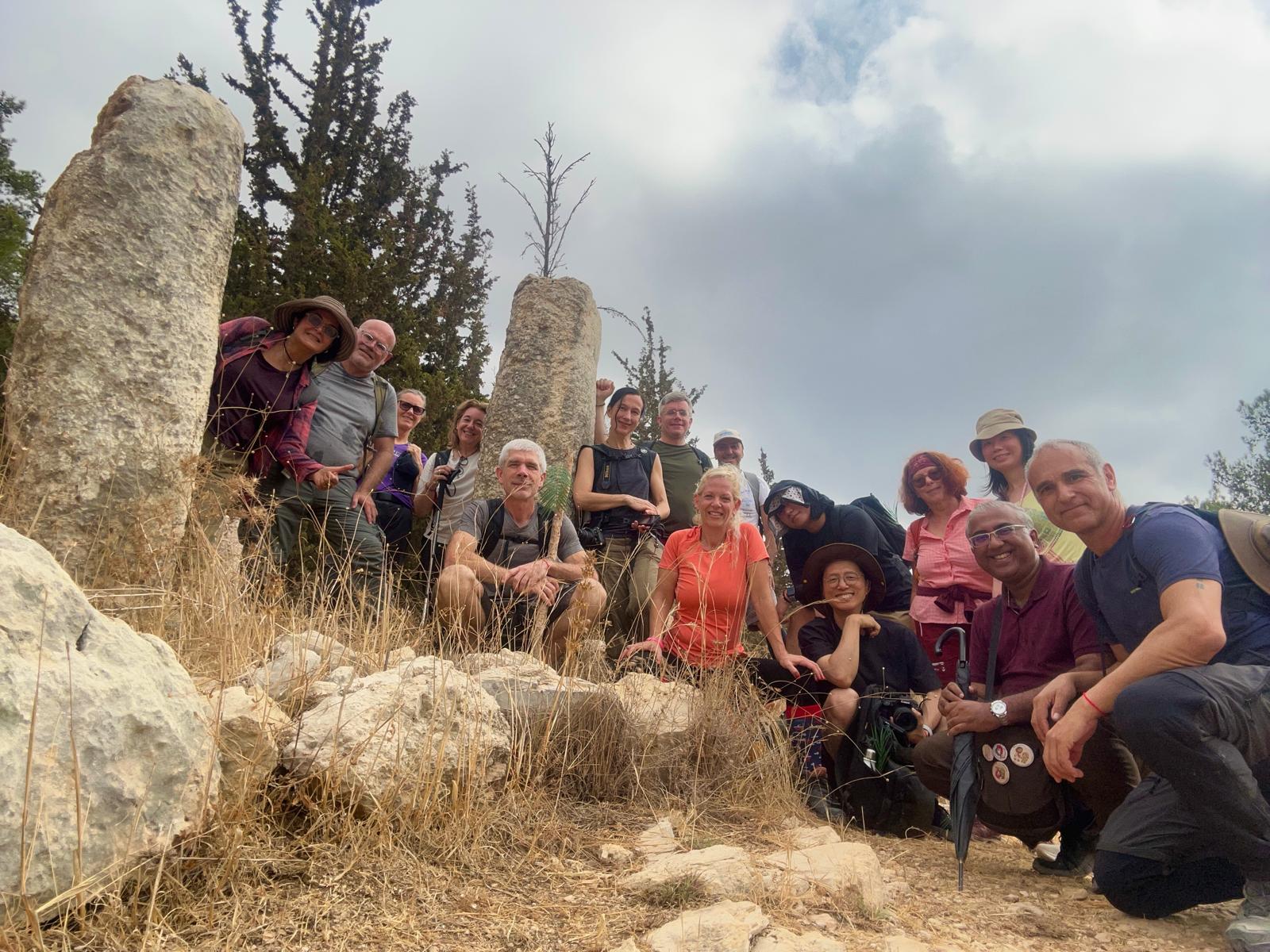
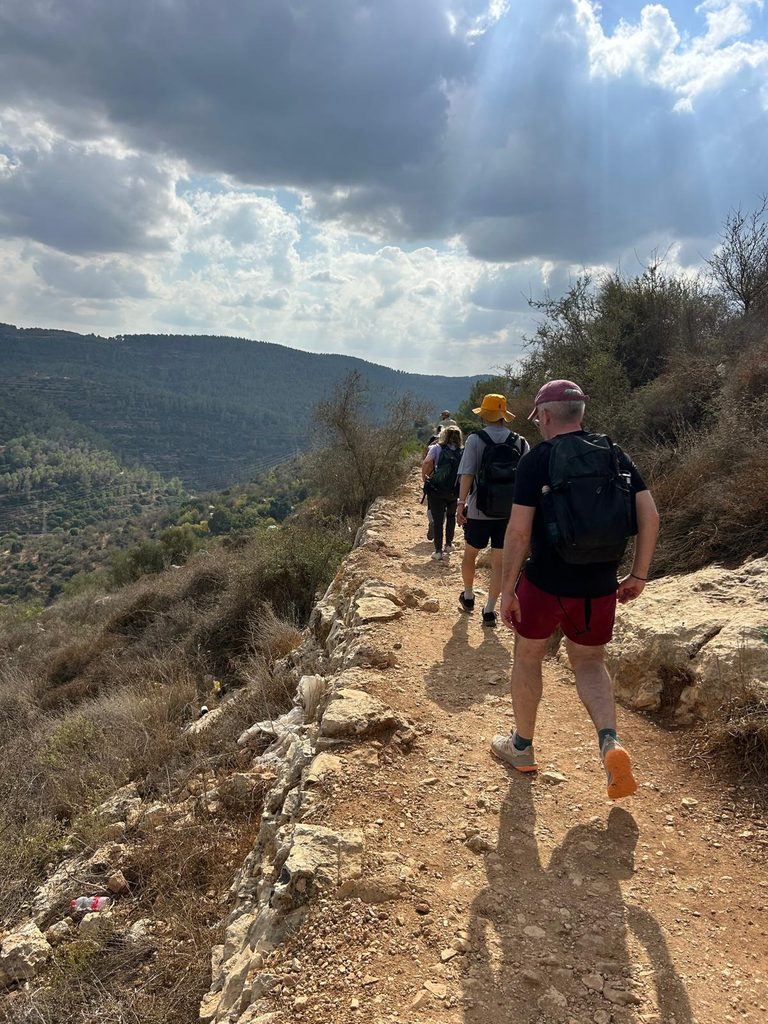
Pilgrims from nine nations set out on foot from the Mediterranean shore at Jaffa, walked five days through valleys where Joshua fought and the Maccabees triumphed, and entered Jerusalem’s Old City through Jaffa Gate. The group from Germany, Italy, India, South Korea, France, Spain, the United Kingdom, Hong Kong and Austria completed the “Way to Jerusalem” pilgrimage, hosted by Israel’s Ministry of Tourism, along sections of a 111-kilometer route that links the coast to the holy city.
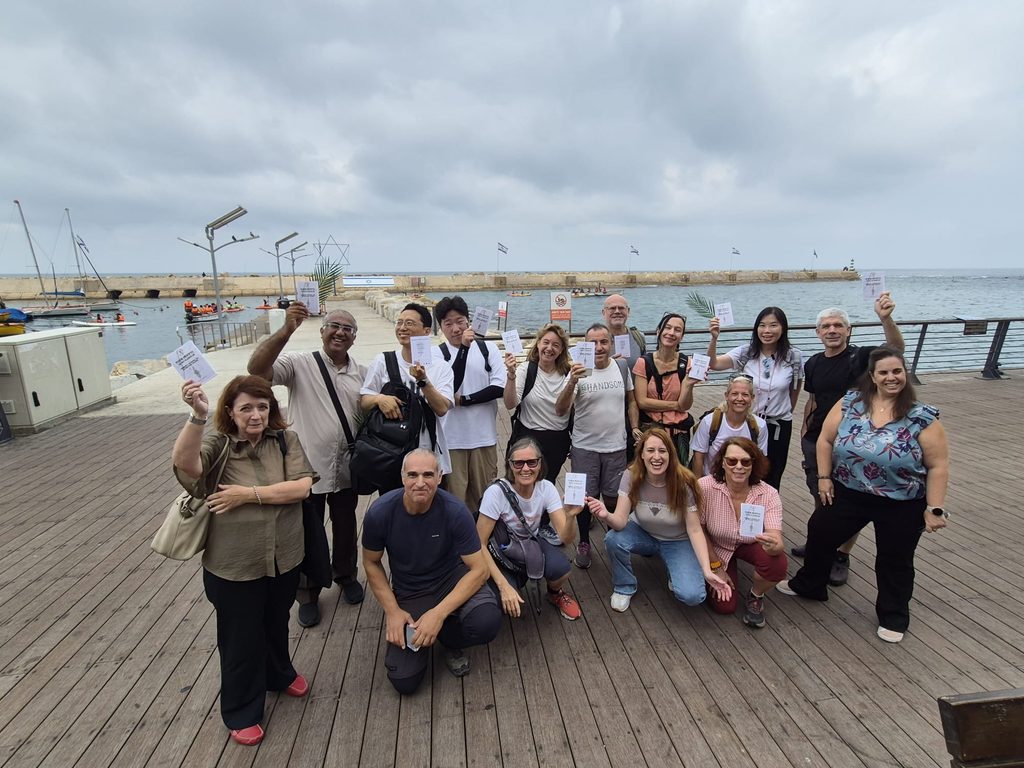
The initiative, organized by Golan Rice and Yael Tarasiuk-Nevo, aims to restore historic walking routes to Jerusalem and open them to visitors from Israel and around the world. The group’s itinerary took it through Jaffa, Rishon LeZion, Ramle, Tel Gezer, Latrun, the Saxum Visitor Center, Benedictine religious sites and Ein Karem, combining old pilgrimage paths and archaeological sites with encounters with local residents.
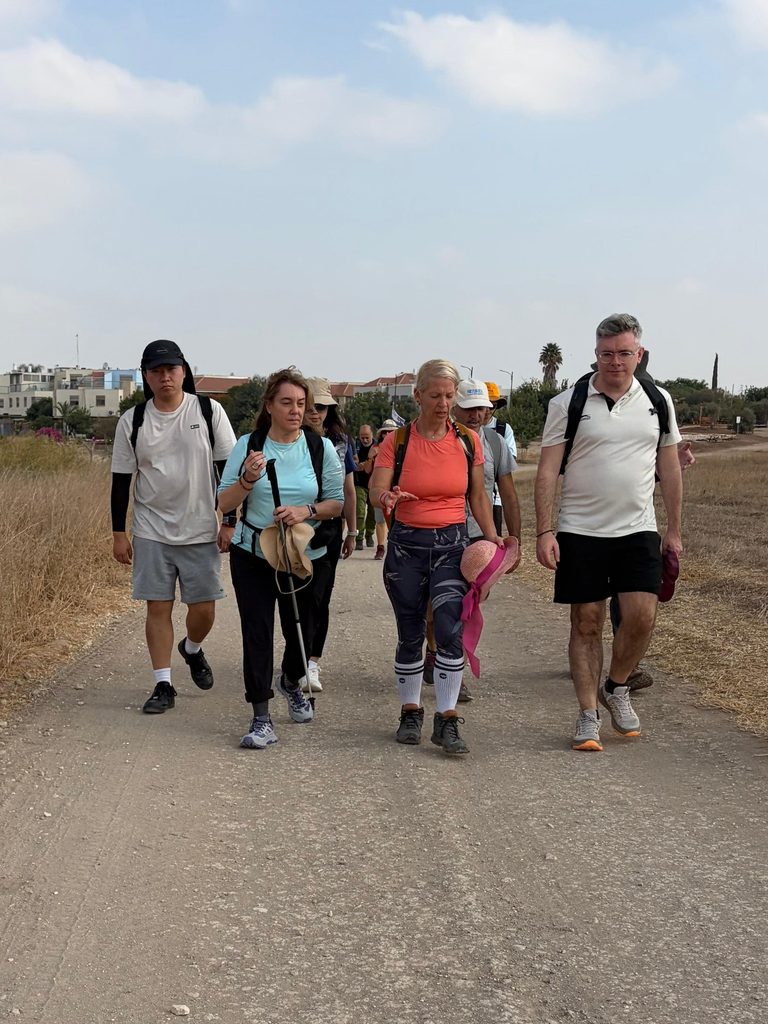
Pilgrims singled out the walk between Beit Hashmonai and Latrun as the stretch that helped them understand the purpose of the initiative. The historic Emmaus route was another highlight, remembered for its physical difficulty along with the conversations, songs and moments of reflection it brought. At Latrun, the group was moved by its visit to the monastery and its introduction to monastic life. Walks in silence, informal talks with residents and shared outdoor meals became central to the experience.
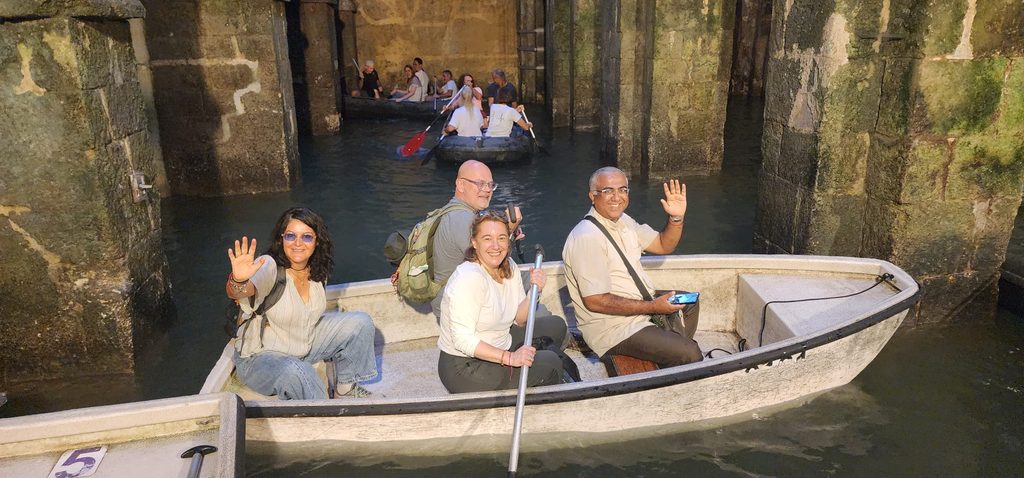
Gabriela, a pilgrim from Austria, said some of her most meaningful moments came during a period of silence at Khirbet Matzad and during the monastery visit at Latrun. Andrew, from the United Kingdom, pointed to spontaneous encounters with locals, including a conversation with a man in Ein Karem who shared memories of growing up there.
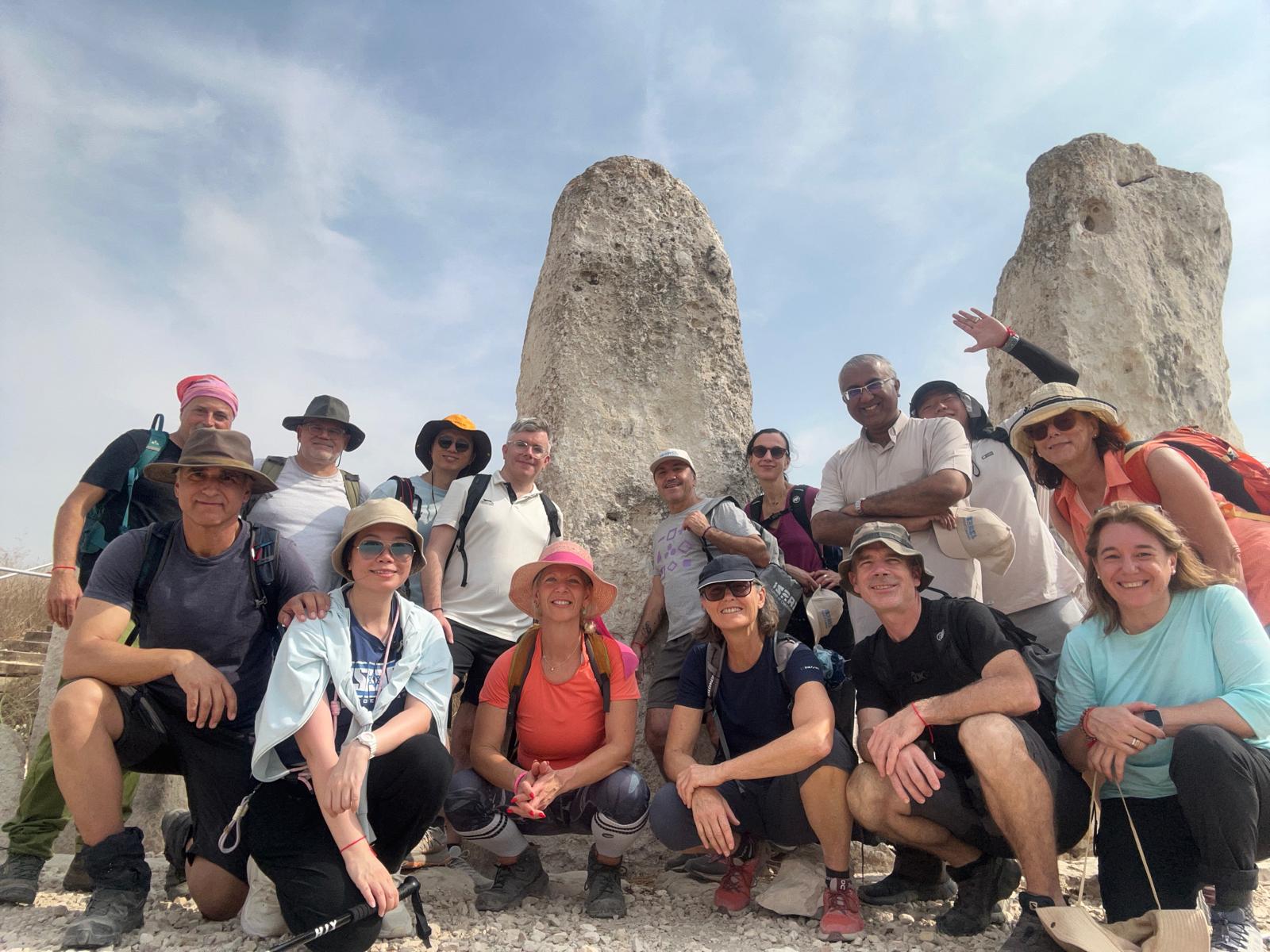
Maria, from Spain, called the Emmaus ascent the hardest physical part of her pilgrimage and one of the most rewarding. She recalled the support of her fellow pilgrims, the songs and meals they shared, and the moment she received her pilgrim credentials and began to grasp what the journey meant to her personally.
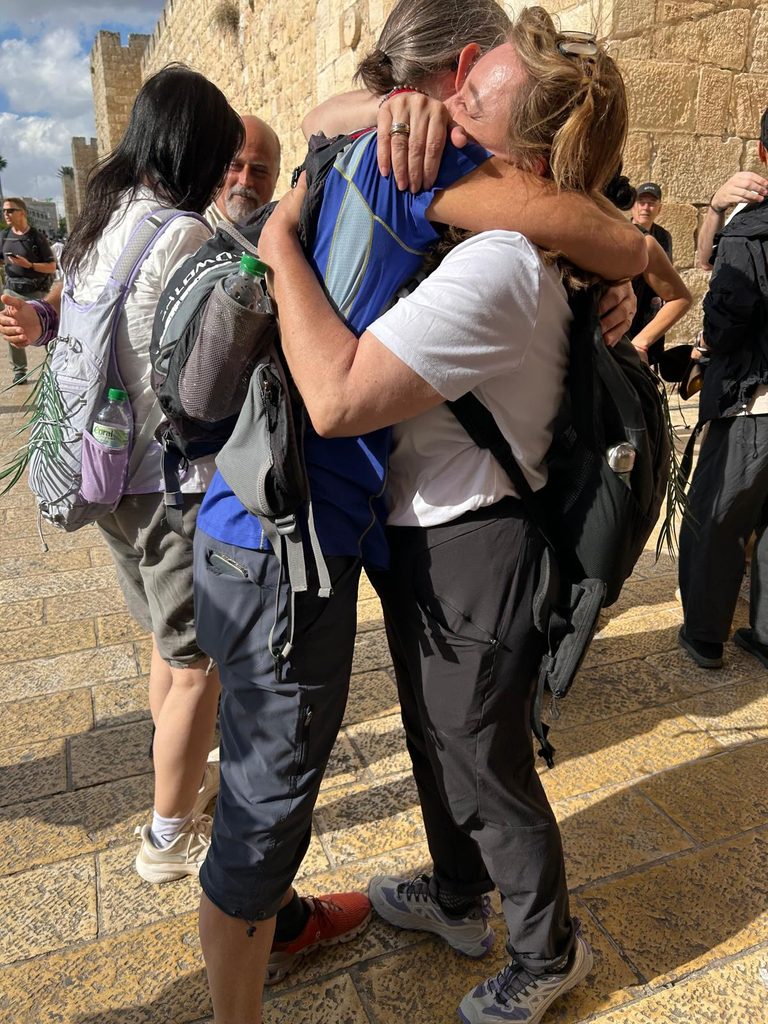
Joshan, a pilgrim from India visiting the Holy Land for the first time, said the human connections were the heart of the trip. He described the conversations, hospitality and encounters with Israelis as central to his experience, and said walking let him understand local culture through direct contact rather than conventional sightseeing.
The journey ended at Jaffa Gate, where the pilgrims entered the Old City after days on the road. They gathered for a closing ceremony at the Tower of David Jerusalem Museum and received the “Jerushalma” Pilgrim Certificate for completing the route. The ceremony was held in cooperation with the Jerusalem Development Authority.
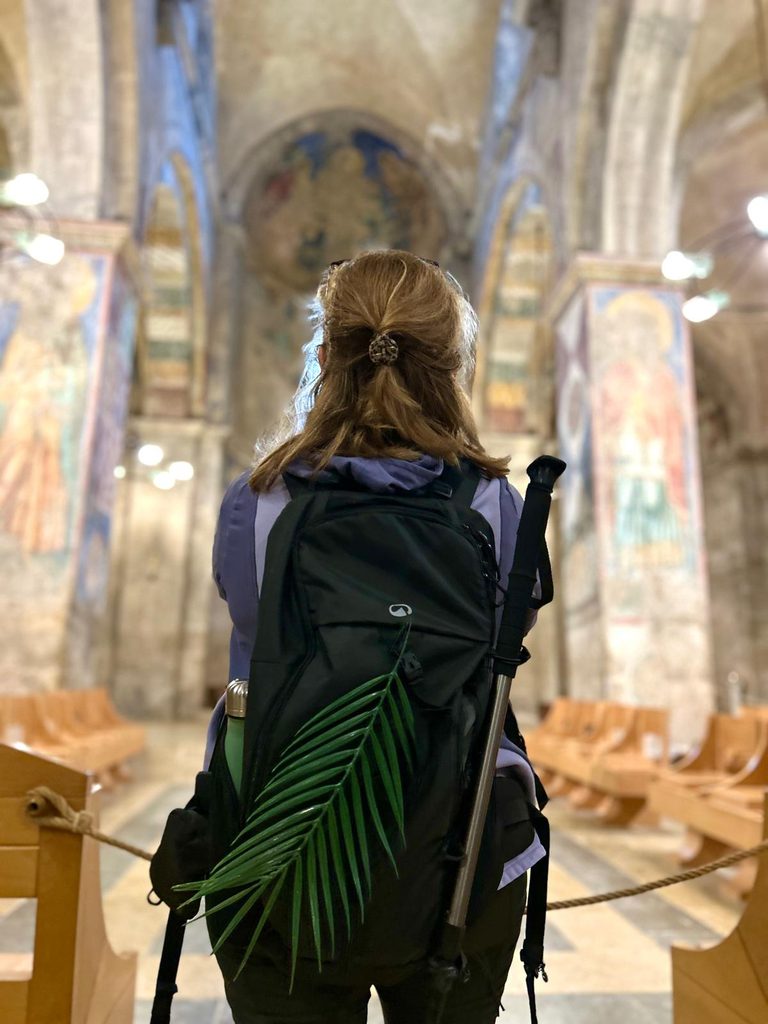
Michael Izhakov, Director-General of the Ministry of Tourism, said the route offers believers a direct encounter with the land.
“Israel is a leading and unique destination for millions of believers around the world,” Izhakov said. “The journey from Jaffa to Jerusalem offers them an opportunity to experience the country’s history and religious heritage in a personal and authentic way. They are walking through the pages of history. We are working to put the historic pilgrimage routes back on the global tourism map and create new tourism experiences.”
A Road Written Into the Bible
Izhakov’s phrase “walking through the pages of history” is literal on this route. Nearly every stop carries a biblical name or a biblical memory. What makes the road from Jaffa to Jerusalem so central to the Bible’s vision of the nations coming to God?
The answer begins at the port. Jaffa, called Joppa in English Bibles, is where the timber for both Temples came ashore. King Hiram of Tyre promised King Solomon:
“And we will cut wood out of Lebanon, as much as thou shalt need; and we will bring it to thee in floats by sea to Joppa; and thou shalt carry it up to Jerusalem” (2 Chronicles 2:15).
Five centuries later, the returning exiles repeated the journey for the Second Temple, bringing “cedar-trees from Lebanon to the sea, unto Joppa, according to the grant that they had of Cyrus king of Persia” (Ezra 3:7). The road the pilgrims walked this month is the same line along which the building materials of God’s house were hauled from the sea up into the hills.
The Bible describes that movement with one word, la’alot, “to go up.” A person always goes up to Jerusalem. The Sages taught in the Talmud that “the Temple is higher than all of the Land of Israel, and the Land of Israel is higher than all the lands” (Kiddushin 69a). The elevation is spiritual as much as physical, which is why immigrating to Israel is called aliyah, “ascent,” and the festival pilgrimage to the Temple was called aliyah la-regel, “going up on foot.”
Jaffa also holds the Bible’s great counterexample. When the prophet Jonah fled his mission, “he went down to Joppa, and found a ship going to Tarshish” (Jonah 1:3). The Sages noted that Jonah’s flight is a chain of descents: down to Jaffa, down into the ship, down into the hold, down into the sea. The pilgrims reversed his route, starting at the water and climbing toward the city.
The places in between tell their own stories. Rishon LeZion, the 1882 Zionist settlement, takes its name from Isaiah’s promise, “A harbinger unto Zion [rishon l’Tzion] will I give: ‘Behold, behold them’; and to Jerusalem a messenger of good tidings” (Isaiah 41:27). Tel Gezer is the city that Pharaoh captured and “given it for a portion unto his daughter, Solomon’s wife” (1 Kings 9:16), and which Solomon then fortified as one of his royal cities. Latrun overlooks the Valley of Ayalon, where Joshua stopped the heavens: “Sun, stand thou still upon Gibeon; and thou, Moon, in the valley of Aijalon” (Joshua 10:12). Emmaus, a few minutes’ walk away, is where Judah the Maccabee defeated the Greek-Syrian army in 165 BCE, a victory in the war remembered on Hanukkah. Beit Hashmonai, where the pilgrims began their most meaningful stretch, is named for the Hasmoneans, the Maccabee family.
Strangers Who Come From a Far Country
The Bible anticipates non-Jews making exactly this journey. When Solomon dedicated the First Temple, he included a specific prayer for foreigners who come to Jerusalem:
“Moreover concerning the stranger that is not of Thy people Israel, when he shall come out of a far country for Thy name’s sake—for they shall hear of Thy great name, and of Thy mighty hand, and of Thine outstretched arm—when he shall come and pray toward this house; hear Thou in heaven Thy dwelling-place, and do according to all that the stranger calleth to Thee for; that all the peoples of the earth may know Thy name, to fear Thee, as doth Thy people Israel” (1 Kings 8:41-43).
The prophets turned Solomon’s prayer into a promise for the end of days. Isaiah foresaw that “many peoples shall go and say: ‘Come ye, and let us go up to the mountain of the LORD, to the house of the God of Jacob; and He will teach us of His ways, and we will walk in His paths.’ For out of Zion shall go forth the law, and the word of the LORD from Jerusalem” (Isaiah 2:3). Isaiah’s pilgrims walk in God’s paths, and this month a group from nine countries and four continents walked a path to Jerusalem.
Zechariah described the scene in human terms: “In those days it shall come to pass, that ten men shall take hold, out of all the languages of the nations, shall even take hold of the skirt of him that is a Jew, saying: We will go with you, for we have heard that God is with you” (Zechariah 8:23). What the pilgrims themselves described matches the prophet’s picture closely. Andrew remembered a conversation with a Jerusalem-area resident about his childhood, and Joshan said the hospitality of Israelis taught him more than any guided tour.
For most of the past two thousand years, the road from Jaffa to Jerusalem ran through a land without Jewish sovereignty, and pilgrims traveled it under foreign rule. Today the Jewish state’s own Ministry of Tourism lays out the path, hands out the credentials and welcomes the walkers at the Tower of David. Solomon prayed that the stranger from a far country would find Jerusalem’s gates open. This month, the strangers came from nine countries, walked up from the sea, and found the gates open, with the people of Israel waiting inside to greet them.