


Susan Booker has already lost one home to fire in Malibu. Last Thursday, as hot, dry winds came screaming down the Santa Monica Mountains, she was running from another one. Booker, who lost her home to the Woolsey Fire in 2018, told reporters there was little left to do except wait and hope the firefighters would get the blaze under control.
Southern California is seeing its first spate of sizable wildfires this year, driven by powerful, dry Santa Ana winds that sparked blazes in rapid succession up and down the coast. The Santa Ana winds are intense, warm gusts that blow from the southwest US interior toward the California coast, and they typically arrive in autumn, right when the region’s vegetation is at its driest after a long, rainless summer. Forecasters said winds blew at 35 to 55 mph in coastal areas.
The first blaze broke out in Malibu. The Bryson Fire was reported near Mulholland Highway and Encinal Canyon Road, in rugged terrain in the Santa Monica Mountains near the Ventura County line, just before 5 p.m. on Thursday, October 15. According to Cal Fire, it burned through 102 acres in two hours and reached about 200 acres. The Los Angeles County Fire Department ordered the Encinal Canyon area evacuated, with evacuation warnings extending down to the beaches. The fire threatened a Los Angeles County juvenile detention and rehabilitation facility, which was evacuated Thursday night. All four public schools in Malibu were closed Friday.
Los Angeles County Fire Public Information Officer Keith Navarre described the conditions as dangerous due to dry air and strong winds. “It makes it hard, and it makes the fire move faster through the dry fuel,” Navarre said. More than 300 personnel, two Super Scoopers and aircraft capable of flying at night were assigned to the fire. Southern California Edison initiated Public Safety Power Shutoffs across central and western Malibu, leaving tens of thousands of customers in Los Angeles County without electricity. By Friday morning, the Bryson Fire stood at approximately 147 acres and 17% containment, with no structures reported destroyed and no injuries.
Multiple wildfires are raging across Southern California as powerful Santa Ana winds send flames racing toward homes and force residents to evacuate.
— Fox News (@FoxNews) October 17, 2026
In Orange County, the Norte Fire has already destroyed or damaged at least six homes, while separate fires threaten communities… pic.twitter.com/pcOJBTITrc
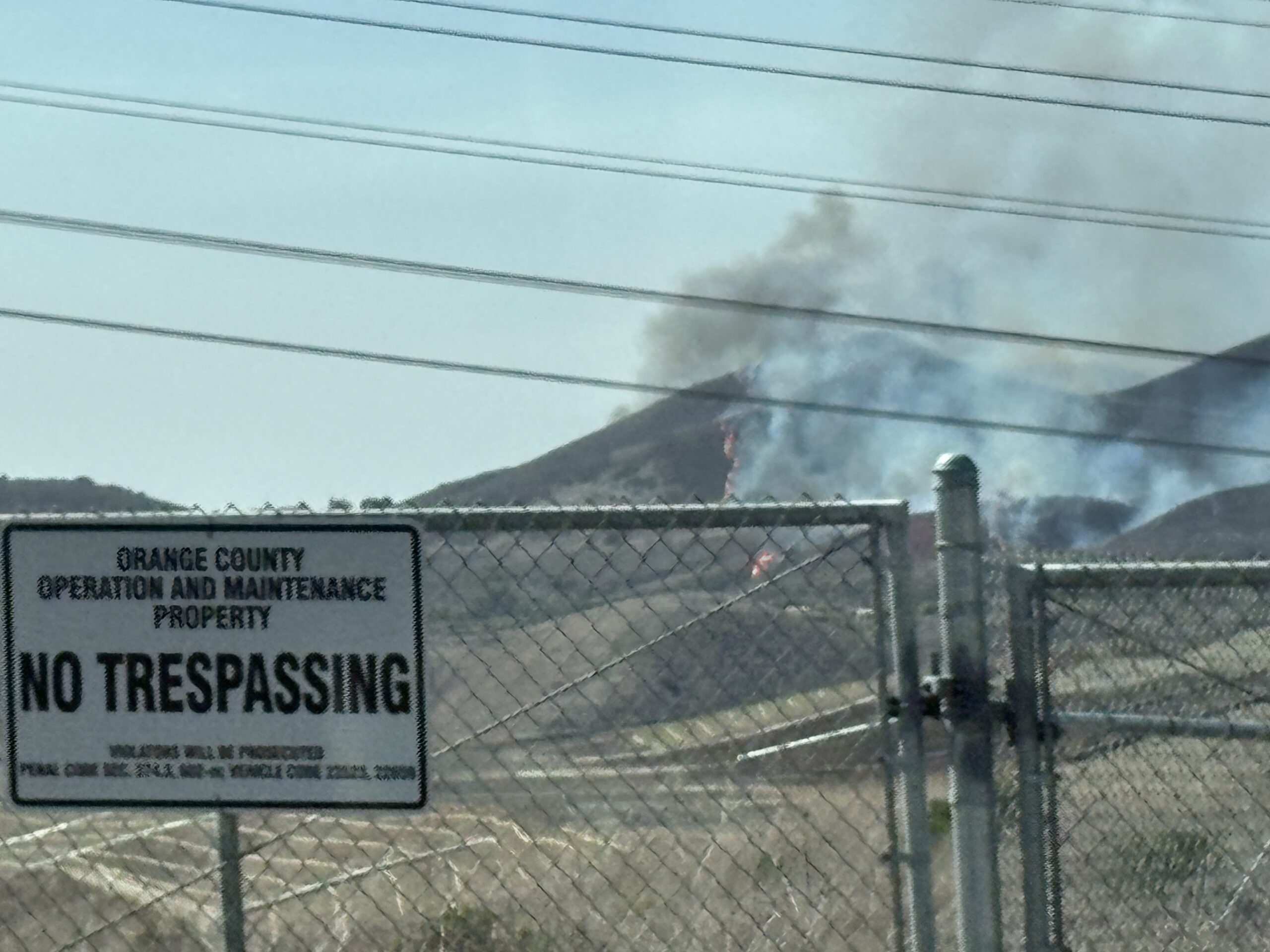
The next fire did more damage. The Norte Fire ignited midday Friday in San Clemente and moved into San Juan Capistrano. The Orange County Fire Authority said crews were “aggressively attacking the fire from the ground and air” and urged the public to stay away. At its peak, the evacuation zone included some 4,600 homes and nearly 16,000 people. Crews surveying the damage confirmed seven homes were damaged or destroyed. Two firefighters suffered heat-related injuries, and California secured a federal Fire Management Assistance Grant from FEMA to help cover firefighting costs. By Saturday night, the fire had burned 570 acres, was 25% contained, and all evacuation orders had been lifted.
Farther south, a third fire hit Marine Corps Base Camp Pendleton in San Diego County. The Henderson Fire started on October 15 and has burned 3,160 acres, reaching 65% containment, with no injuries or fatalities reported. The causes of all three fires remain under investigation. By Sunday, the Santa Ana winds had begun to weaken, allowing firefighters to gain control, and evacuation orders and warnings for the Bryson Fire had been lifted. That same afternoon, a new blaze broke out at the opposite end of the state. The Jade Fire ignited in Siskiyou County, southeast of Montague, quickly grew to 15 acres and prompted evacuation orders. Cal Fire said one building was destroyed and another was damaged.
The fires struck a region still rebuilding from the January 2025 Palisades and Eaton fires, which destroyed more than 10,000 homes in Pacific Palisades, Malibu, and Altadena. Rep. Mike Levin, a Democrat whose district includes part of Orange County, said “year-round wildfire season” has become the “new normal” for Southern California.
A year of fire
California’s October fires capped a year of record-setting blazes across the Northern Hemisphere. In France, the Gironde fire west of Bordeaux burned 42,000 hectares (about 104,000 acres) in July and drove nearly 224,000 people from their homes and vacation sites. That fire generated its own weather, a pyrocumulonimbus, or “fire thunderstorm,” that produced lightning and ignited new fires, an event never before seen in France. Spain fought the largest wildfire in its history after separate fires merged into a single blaze west of Madrid. Australia sent firefighting aircraft and crews to help France.
In North America, Oregon burned more than two million acres, its most active wildfire season on record. Canada burned 4.5 million hectares (11 million acres), and its largest fire, Thunder Bay 36 in northwestern Ontario, became one of the largest fires in Ontario’s recorded history. Canada formally declared its fire season over on October 15, the same day the Bryson Fire broke out in Malibu.
The 2026 numbers follow a two-decade trend. A 2024 study published in Nature Ecology & Evolution by researchers at the University of Tasmania analyzed 21 years of satellite data and found that the number of extreme wildfire events rose 2.2-fold from 2003 to 2023, with the six most extreme years all falling within the last seven. The fires also grew more intense: those classified as extreme in recent years released twice the energy of extreme fires at the start of the period. The sharpest rise came in the forests that burned this year in Canada and the American West, with extreme fires up 11-fold in temperate conifer forests and 7-fold in boreal forests. “Extreme wildfires are on the rise,” said lead author Calum Cunningham.
Video of #Nortefire sent to my from my dad.
— Blake Troli (@BlakeTroli) October 16, 2026
Praying for South Orange County. pic.twitter.com/GzXK2RZ5Dx
The total acreage burned worldwide has fallen over the same period because farming has tamed the grass fires of the African and South American savannas. The fires in the forests, near cities and homes, have doubled. In 2024, fire overtook agriculture as the leading cause of global forest loss for the first time, accounting for almost half of the damage, up from an average of about 20% in previous years.
The prophets of Israel had another name for this new normal. Why does the Hebrew Bible so consistently describe the approach of the Messianic era as fire carried on the wind?
Wind and fire in the prophets
The Prophet Isaiah, in the closing chapter of his book, describes the arrival of God in judgment with exactly the two elements that tore through Southern California this week:
“For, behold, the LORD will come in fire, And His chariots shall be like the whirlwind; To render His anger with fury, And His rebuke with flames of fire.” (Isaiah 66:15)
The Hebrew reads ki hinei Hashem ba’esh yavo (for behold, God will come in fire), with His chariots ka-sufa, like a storm wind. The next verse continues, “For by fire will the LORD contend, And by His sword with all flesh” (Isaiah 66:16). Isaiah’s final chapter is set entirely in the end of days, ending with all nations coming to worship in Jerusalem, and the wind-driven fire opens that scene.
The Prophet Joel lists fire among the signs in the heavens and on earth that come before the final redemption: “And I will show wonders in the heavens and in the earth, Blood, and fire, and pillars of smoke. The sun shall be turned into darkness, and the moon into blood, before the great and terrible day of the LORD come” (Joel 3:3-4). Christian Bibles number these verses Joel 2:30-31. This summer, the pillars of smoke over Bordeaux grew so large they made their own thunderstorms. This weekend, residents of Malibu and San Juan Capistrano watched them rise over the Pacific coastline.
Joel’s phrase yom Hashem hagadol vehanora, “the great and terrible day of the LORD,” appears again at the very end of the Hebrew prophets, attached to one specific man: “Behold, I will send you Elijah the prophet before the coming of the great and terrible day of the LORD” (Malachi 3:23). In Jewish tradition, Elijah is the herald who announces the Messiah.
Elijah on the mountain
The Bible records one scene in which Elijah himself stands and watches the elements pass by. Fleeing for his life, the prophet reaches Mount Horeb, where God tells him to stand on the mountain:
“And, behold, the LORD passed by, and a great and strong wind rent the mountains, and broke in pieces the rocks before the LORD; but the LORD was not in the wind; and after the wind an earthquake; but the LORD was not in the earthquake; and after the earthquake a fire; but the LORD was not in the fire; and after the fire a still small voice.” (1 Kings 19:11-12)
The order is precise: wind, earthquake, fire, and then the kol demama daka, the still small voice. The wind and the fire are the heralds of the encounter. The encounter comes in the voice that follows them. The man God shows this sequence to is the same man He will send to announce the redemption.
Southern California this week saw the first and third stages of Elijah’s sequence. The Santa Ana winds came first, tearing across the mountains at up to 55 miles per hour, and the fire followed in the dry brush. The same sequence has been repeating, more often and with greater force, in the forests of the world for twenty years.
When fires swept the world in 2021, Rabbi Shmuel Eliyahu, chief rabbi of Tsfat, refused to write them off as nothing more than unusual weather. “God speaks to us through the weather,” Rabbi Eliyahu said. Elijah’s mountain shows how He speaks. The wind and fire are loud, and they get everyone’s attention. God’s message comes afterward, in the quiet voice that follows them.
The voice after the fire
The firefighters in Malibu and San Juan Capistrano have done their job, and the evacuation orders have been lifted. The cameras will move on, as they did after the Palisades fire and after the Woolsey fire before it. Susan Booker has now fled fire twice in eight years, and the scientists say the fires will keep getting bigger.
The Bible’s instruction for this moment comes from Elijah’s mountain. The wind and the fire were never the message. They clear the stage for a voice that speaks only to those who are still listening after the flames die down, and that is the voice that announces the great and terrible day.
