
Picture a product developer at a large food company. Pressure to reduce saturated fat is growing. Nutritional labels like Nutri-Score make the nutritional profile of food products more visible to consumers. And the customers who buy the product every week want to eat healthier, but they still expect it to taste exactly the same as it always has.
Fat is at the heart of the challenge. It’s one of the hardest ingredients in food to change because so much of what people love about a product depends on it. Food companies have spent years developing new proteins, alternative meats, and healthier recipes, but replacing conventional solid fats without compromising taste and functionality has remained stubbornly difficult.
Israeli foodtech company Kayama has developed a technology designed to overcome that challenge, without asking consumers to sacrifice the foods they love.
It makes sense that this innovation is coming out of Israel. The country has built one of the world’s most active foodtech ecosystems, and Kayama has grown up inside it, supported by the Israel Innovation Authority and connections across the local foodtech community, including GFI Israel, MAF, Startup Nation Central and PLANETech. Israel is also one of the company’s first target markets.
Why fat is so hard to replace
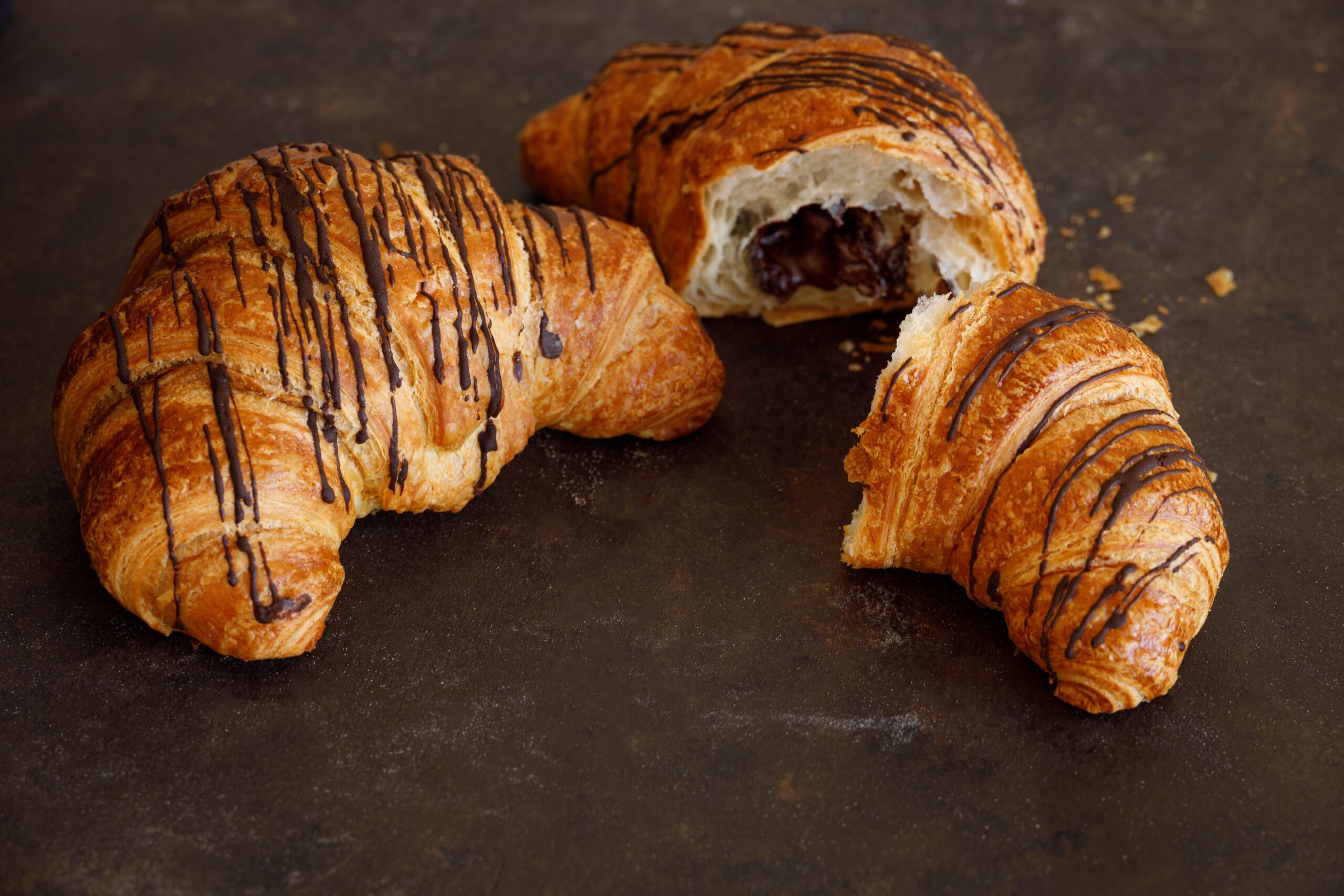
Ask a pastry chef what makes a great croissant, and you’ll hear about layers and how fat behaves in the oven. In chocolate, fat determines how the bar melts and feels in your mouth. In plant-based meat, it delivers the juiciness and marbling shoppers expect. These details often decide whether someone buys a product once or keeps coming back.
To get these results, manufacturers rely on butter, cocoa butter, beef tallow, coconut oil, and palm oil. Those fats can bring high levels of saturated fat, sustainability concerns, and volatile supply. Liquid plant oils can offer a better nutritional profile, but they don’t behave like solid fats, and making them work usually means complex formulations.
Turning oil into a solid
Kayama takes a different route. It starts with high-oleic plant oils and gives them a solid structure without relying on saturated fat. Normally, solid fat gets its firmness from saturated fat, which forms crystals that hold the liquid oil in place. Kayama’s patent-pending technology, Olearae™ Struct, hands that job to plant-derived compounds instead, which build a three-dimensional network inside the oil and give it a solid structure.
The company says its ingredient contains up to 90% less saturated fat. It resists oxidation, stays stable on the shelf, and its properties can be adjusted for different foods. It’s also plant-based, clean label, and minimally processed.
Kayama has also thought about the factory floor. Manufacturers can use Olearae™ Struct with their existing equipment and processes, without requiring changes to either, and Kayama aims to price it competitively with butterfat and cocoa butter. A healthier ingredient won’t get far if factories can’t afford to use it.
Does it taste the same?
The rise of plant-based foods showed the industry something important. People will try a product because it’s healthier or more sustainable, but they only come back if it tastes good.
Kayama has put Olearae™ Struct through three of the toughest tests in food. Laminated dough is famously unforgiving, and in trials, the ingredient produced flaky, tender pastries. In chocolate, where texture is everything, Kayama’s own lab work showed it can hold up. For meat alternatives, the focus is the taste, juiciness, and marbling that plant-based burgers so often lack.
That work is drawing interest beyond the lab. A large Israeli dairy company is paying for a pilot. Two meat-alternative makers, The Plantly Butchers and Wonders of Nature, have signed letters of intent, and several leading food companies are evaluating the ingredient under NDAs and material transfer agreements. The next test is delivering the same results at industrial scale.
The team and the road ahead
CEO Anna Sliozberg, a two-time founder with a background in business development and operations, runs the company alongside CTO Gad Harris, a chemical process engineer who specializes in industrial scale-up. Chef Yuval Ben Neriah of Taizu and MasterChef Israel serves as culinary advisor.
The company has participated in the StartLife, ProVeg, XPRENEURS and MassChallenge accelerator programs, reached the finals of the Coller and Merage Foundation competitions, and secured two non-dilutive grants.
Kayama plans to grow from today’s small pilot batches to continuous industrial production of up to three metric tons a day. By the company’s estimates, approximately $53 billion worth of fat used across its target food categories in Europe and North America could be replaced by an ingredient like Olearae™ Struct.
The ingredient you may never notice
If Kayama succeeds, most people will never see its name. Shoppers won’t necessarily see a new brand on the shelf. The croissant they love could contain less saturated fat, and the plant-based burger could deliver the juiciness they’ve been missing. Ingredient innovations work that way. People get healthier versions of the foods they already love, without changing their habits or even noticing the difference.
To fund that growth, Kayama is seeking between $500,000 and $1 million, with the money going toward regulatory work, customer pilots, and scaling up production.
Explore Kayama’s investment opportunity on Exit Valley and support its next stage of growth.
Disclaimer: This content is provided for informational purposes only and does not constitute investment advice, an offer, or a solicitation to buy or sell securities. Investing in startups involves significant risk and potential loss of capital. Always conduct independent due diligence and consult a licensed financial advisor before making investment decisions.