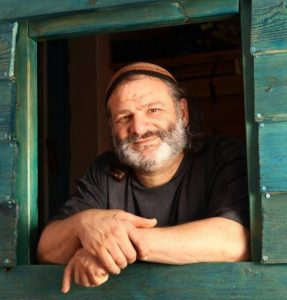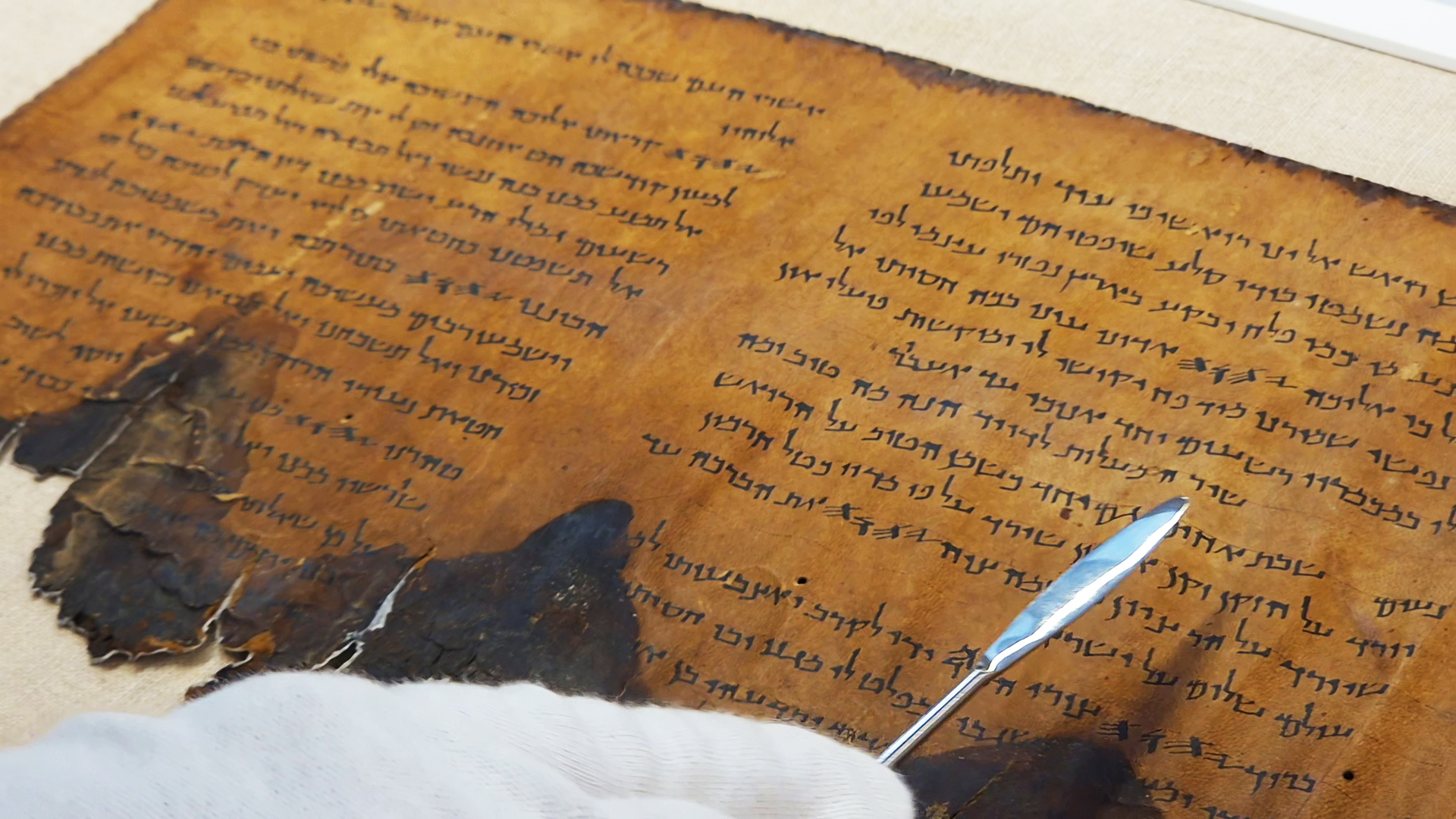
A team of European and Israeli researchers has launched the most ambitious scientific investigation yet into one of archaeology’s most consequential discoveries. The European Research Council has awarded Professor Mladen Popović of the University of Groningen an Advanced Grant worth approximately $2.7 million to lead a five-year project combining artificial intelligence with chemical analysis to determine where the Dead Sea Scrolls were actually written.
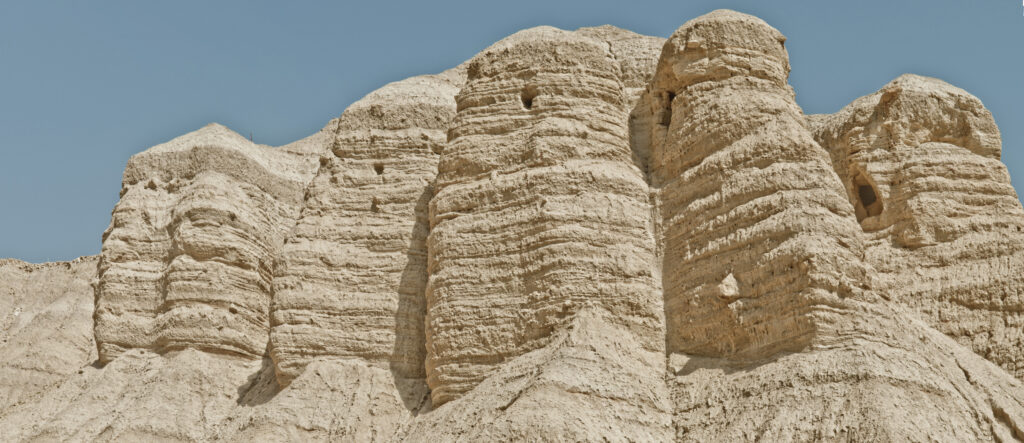
The project, named Tracing Scribes and Scrolls, unites the University of Groningen, the Israel Antiquities Authority, and laboratories across Europe in an effort to answer a question that has confounded scholars since the scrolls were first discovered in the Qumran caves nearly eight decades ago.
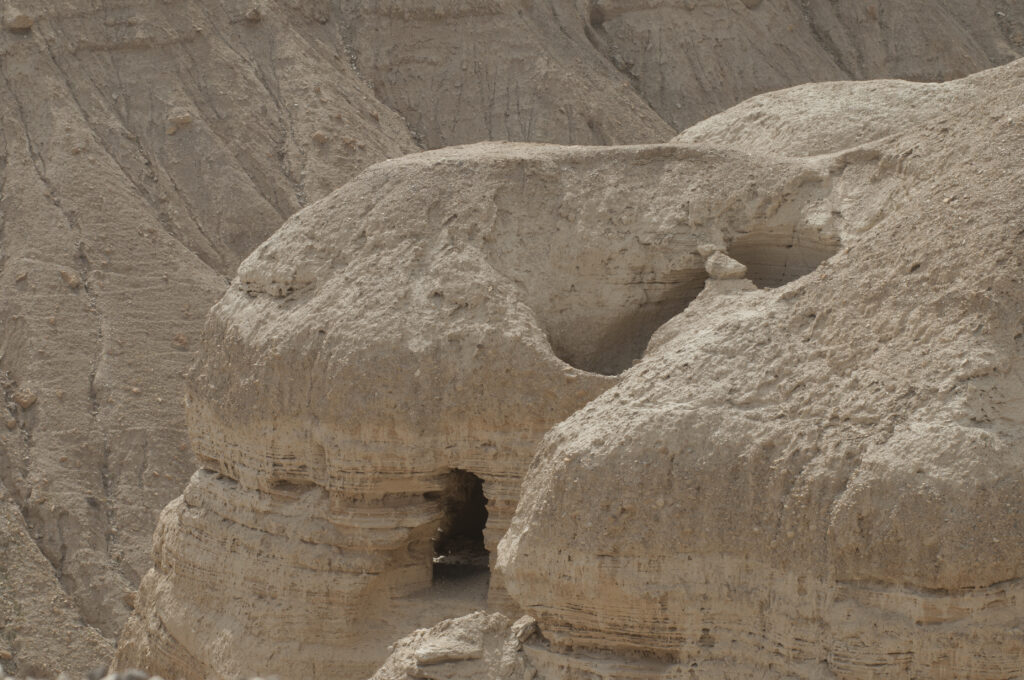
Where did these texts, the oldest surviving copies of the Hebrew Bible, actually come from?
The Sages teach that the transmission of the Bible carries weight far beyond the words on the page. The scribe who copied a Torah scroll bore responsibility for precision down to the letter, since a single altered character could change meaning entirely. The Talmud in Eruvin 13a records that Rabbi Meir, when serving as a scribe, was tested by his teacher Rabbi Yishmael, who warned him: “My son, be careful in your work, for it is the work of Heaven, lest you omit or add a single letter, and thereby destroy the entire world.” That standard of precision is precisely what makes the Dead Sea Scrolls so significant. They prove that the text of the Hebrew Bible Jews read today is, in its essentials, the same text copied by scribes in Judea more than two thousand years ago.
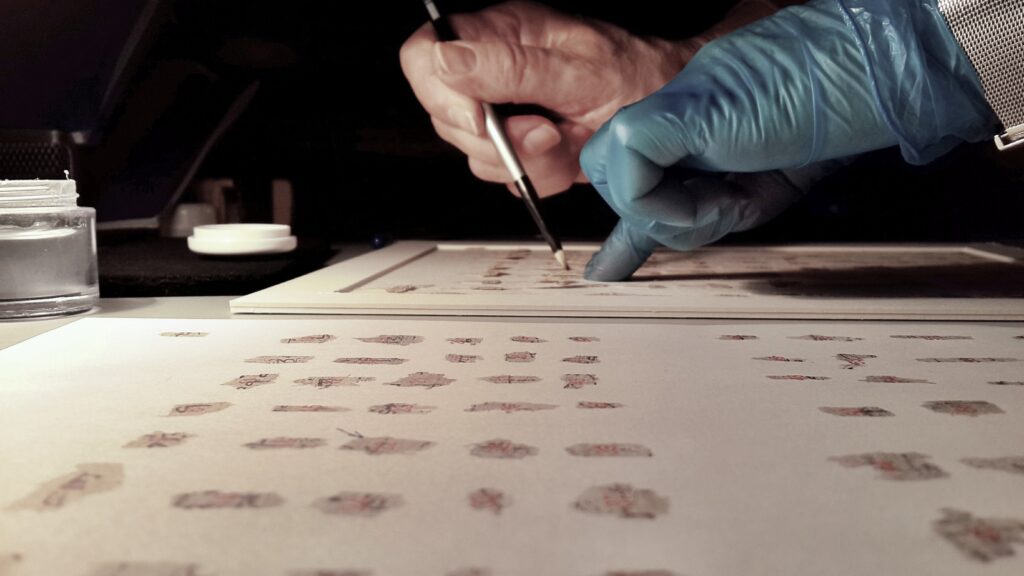
The scrolls, discovered beginning in 1947 in caves overlooking the Dead Sea near Qumran, include fragments or complete copies of every book of the Hebrew Bible except Esther. Among them is the Great Isaiah Scroll, a nearly complete copy of the Book of Isaiah dating to roughly the second century BCE, predating the previously oldest known Hebrew biblical manuscripts by approximately a thousand years. The scrolls also include sectarian writings, community rules, and texts describing eschatological battles between the “Sons of Light” and the “Sons of Darkness,” offering a direct window into the religious and intellectual life of Second Temple-era Judea.
Despite seventy-eight years of scholarship, the precise origins of many scrolls remain unresolved. Were they written by an isolated community at Qumran itself, brought from Jerusalem for safekeeping during times of danger, or gathered into the caves as a kind of ancient genizah, a repository for sacred texts no longer in active use? The new project intends to settle these questions through hard science rather than speculation.
Popović’s team will analyze approximately 250 samples from the Israel Antiquities Authority’s collection, examining parchment, papyrus, and ink. For the first time, papyri from Egypt will be compared directly against papyri from Qumran and other Judean Desert sites, allowing researchers to trace the chemical fingerprints of raw materials back to their points of origin. Artificial intelligence will then process this chemical data alongside paleographic analysis of handwriting and codicological study of how individual scrolls were physically constructed, including sheet preparation, column layout, and stitching.
“This is the largest research project to date to use artificial intelligence to investigate the cultural context of the Dead Sea Scrolls,” Popović said. “By combining advanced laboratory analysis with the study of ancient handwriting and the remarkable advances in artificial intelligence made in recent years, we are now able to address questions that were previously beyond our reach: who copied these manuscripts, where they were produced, how knowledge circulated, and the role these texts played within the society of their time.”
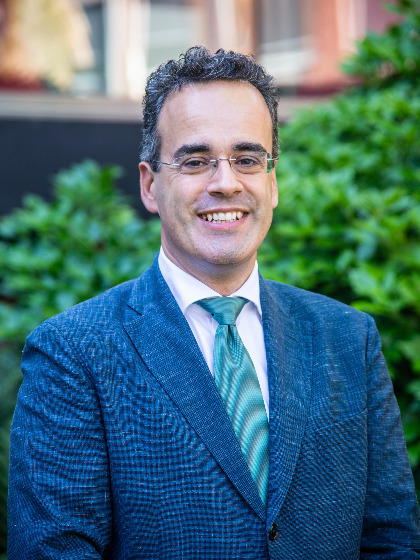
The project builds directly on Popović’s earlier ERC-funded research, The Hands That Wrote the Bible, which used AI to identify individual scribal hands among the scroll fragments. Tracing Scribes and Scrolls now extends that work to map where those scribes operated and how their networks of learning connected across ancient Judea.
Dr. Ilit Cohen-Ofri of the Israel Antiquities Authority, which holds guardianship over the scrolls in Jerusalem, said the project will generate an unprecedented chemical database of the collection. “In recent years we have come to recognize the wealth of information that can be recovered from the materials themselves,” she said, “revealing hidden insights preserved within thousands of manuscript fragments that have survived for more than two millennia.”
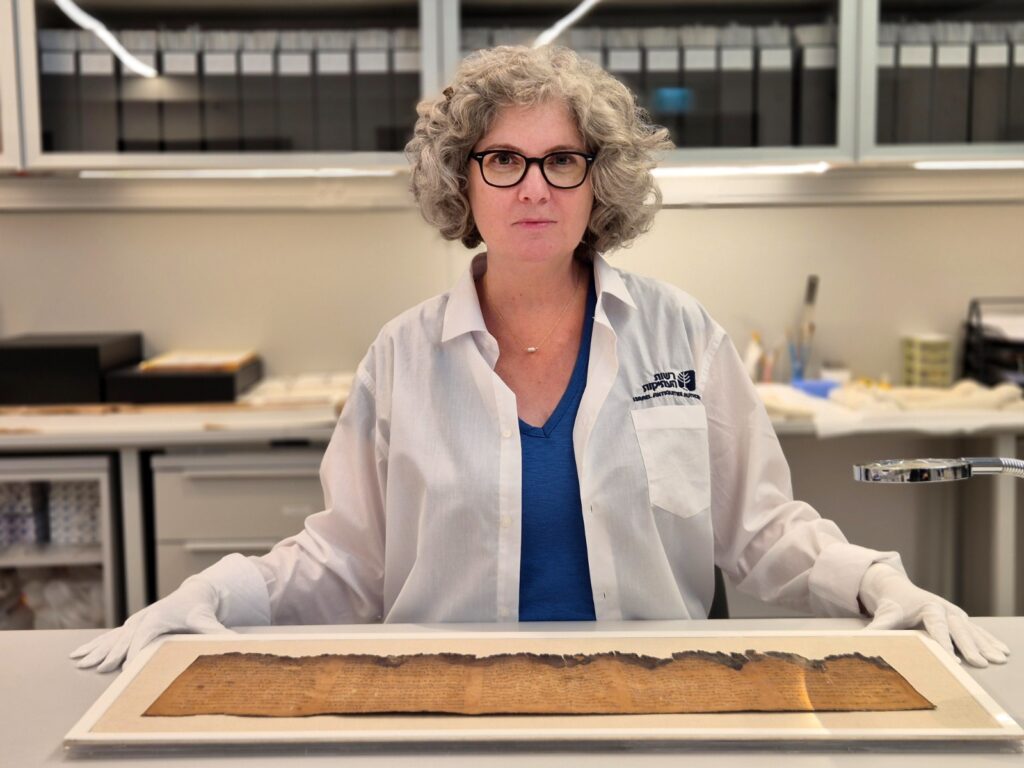
The research team includes scientists from the University of Pisa, the University of Naples Federico II, the University of Southern Denmark, and KU Leuven, with additional collaboration from the Egyptian Museums in Berlin and Turin for comparative papyrus analysis.
The Dead Sea Scrolls have always done more than preserve ancient ink on parchment. They anchor the chain of transmission the Sages described, proof carved in leather and papyrus that the words read in synagogues today are the same words copied by scribes who walked the hills of Judea over two thousand years ago. Whatever this project uncovers about where those scribes worked, it will only deepen the evidence that the Hebrew Bible’s text has survived intact across millennia, exactly as Jewish tradition has always insisted it would.