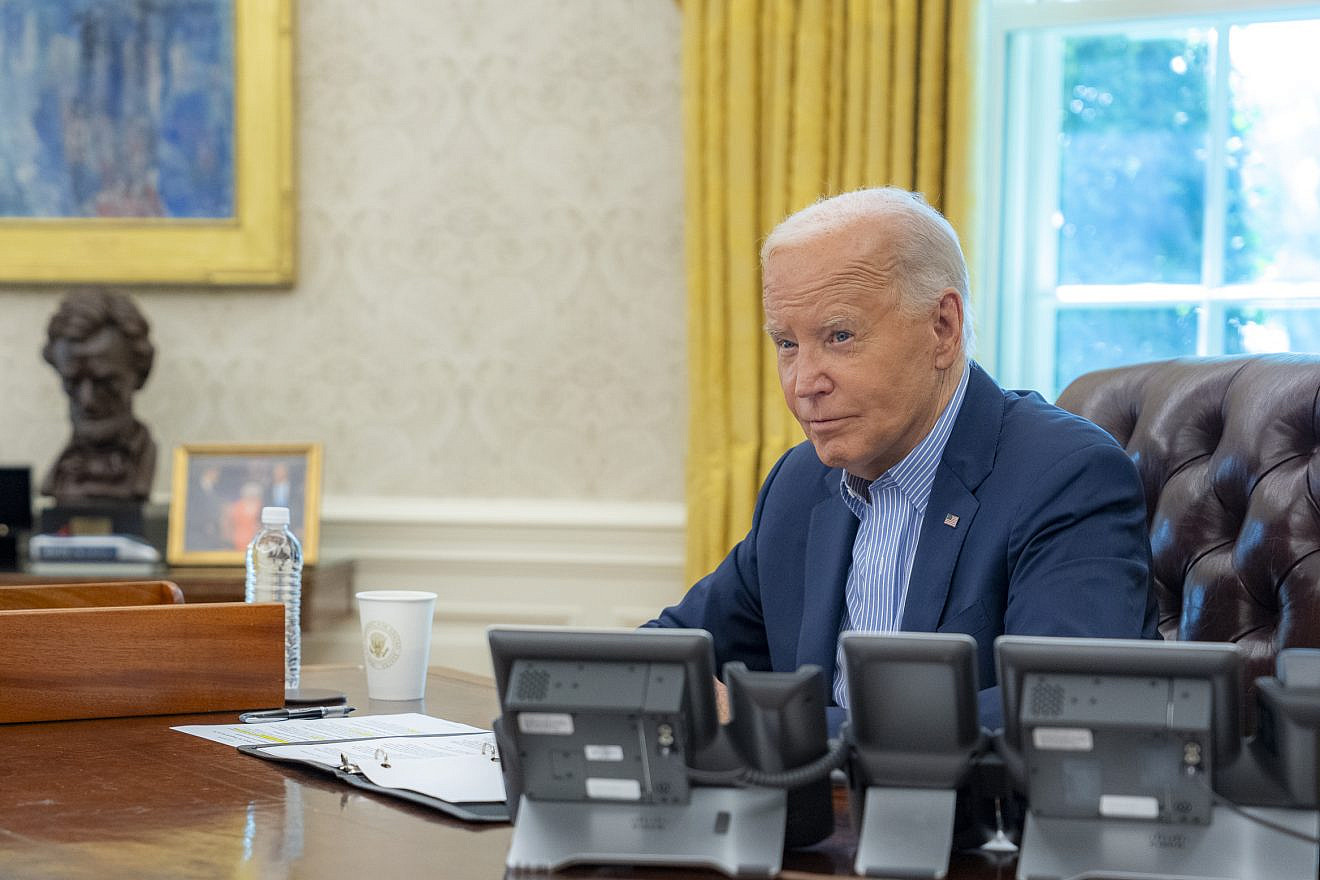
June 19, 2026 — Regavim, which is currently contending with sanctions imposed by the European Union and Canada, achieved a significant victory this week in its battle against the previous American administration. In August 2024, Regavim initiated legal action against the Biden administration over sanctions imposed on Israeli citizens and organizations, including the grassroots organization Tzav 9. That legal process concluded this week with what amounts to a clear win for Regavim.
The petition Regavim filed approximately two years ago in U.S. federal court against the Biden administration, which had imposed sanctions on entities in Israel, concluded with a dramatic agreement. Under the agreement, the administration committed to respecting Israeli sovereignty and limiting the use of sanctions against the organizations and individuals covered by the settlement, while Regavim agreed to withdraw its petition.
The agreement pertains to a specific list of organizations and individuals, including Regavim and its Director General, Meir Deutsch. It also includes a commitment not to impose sanctions on Israelis who hold American citizenship and are entitled to due process. Furthermore, it stipulates that sanctions will not be imposed on individuals or organizations solely because they reside in Judea and Samaria, based on the understanding, as stated in the letter, that such action would constitute an infringement on Israeli sovereignty.
“The days when Israeli democracy could be trampled through the use of sanctions are over,” said Deutsch. “While the struggle we led protects Regavim, far more importantly, it protects democracy in Israel. The administration’s commitment is critical to halting the sanctions spiral into which we were dragged, a spiral that could harm every citizen and threaten the future of the State of Israel. Europe, we’re on our way to you.”
The agreement follows a dispute that began in the summer of 2024, when the Biden administration imposed sanctions on Tzav 9, which was established by Regavim together with additional partners, as well as on a series of legitimate Israeli citizens and organizations under the pretext of involvement in violence.
According to Regavim, this move by the United States served as a catalyst for the growing international trend of using sanctions against Israelis. Even if the sanctions were eventually lifted, the organization argued, the international damage already inflicted would remain immense.
At the time, Regavim understood that it too was on the “blacklist” and a potential target for sanctions, and decided not to remain passive. The movement assembled a team of international legal experts and petitioned a U.S. federal court, arguing that:
“This constitutes an infringement on freedom of speech in a functioning democratic state in a manner unprecedented in history, especially between allied nations,” Deutsch continued. “Israel has independent courts, and there is no justification for a foreign country to intervene in the internal political or criminal processes of the judicial system of a functioning state.”
During the intervening period, the administration in Washington changed, and on his first day in office, President Trump revoked all of the sanctions. Regavim was not satisfied with that outcome, recognizing that the decision could be reversed by a future administration, potentially with even greater force. It therefore continued its legal action, a decision that ultimately proved justified and achieved its objective.
Deutsch concluded: “This struggle was never only about Regavim. Those who sought to turn sanctions into a political tool against Israeli citizens and organizations discovered that there are those willing to fight back. This achievement proves that it is possible to stop the trend of foreign intervention, but it is also a reminder that the struggle for the independence of Israeli democracy is far from over.”