A 12-year-old Israeli boy has uncovered a rare gemstone dating back at least 1,500 years in Korazim, the ancient Jewish village in the Galilee that appears in the New Testament as one of the communities Jesus condemned for rejecting his teachings.
The discovery was made by Alon Horowitz during a community excavation at Korazim National Park conducted by the Israel Nature and Parks Authority in cooperation with Ariel University.
The stone is a prestigious variety of agate known as a “Nicolo,” a gemstone highly prized in Roman and Byzantine times. Archaeologists believe it was originally set in a piece of jewelry and dates from between the first and sixth centuries CE.
“After three days of excavations, about 10 minutes before we finished, I was digging with a pickaxe and suddenly saw something blue, round, and special,” Horowitz said in a statement released by the Israel Nature and Parks Authority. “I picked it up and showed it to the archaeologist. When I realized it was something rare, I felt really happy and proud.”
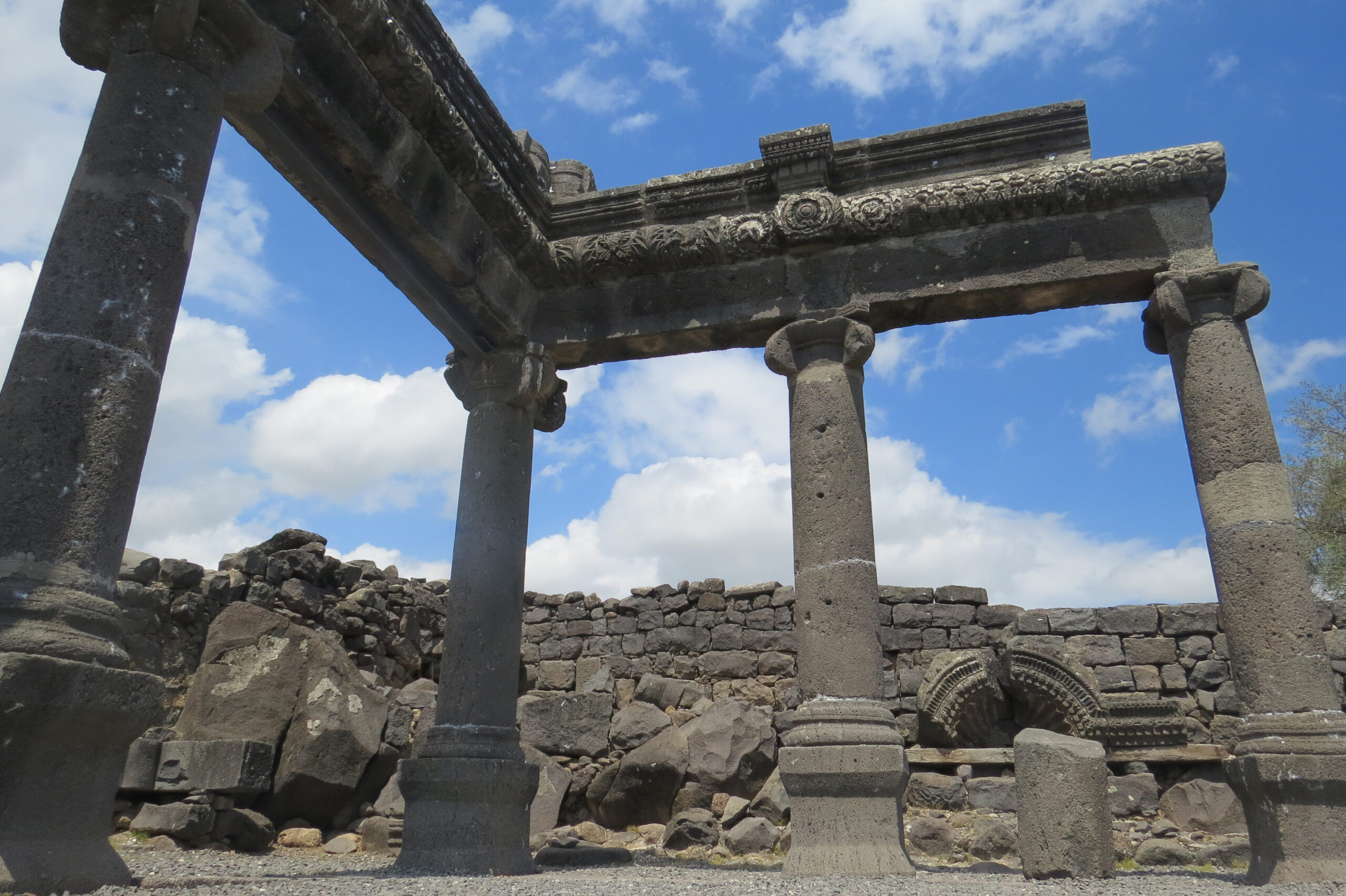
Located a few kilometers north of the Sea of Galilee, Korazim was a thriving Jewish community for roughly a thousand years, from the end of the Second Temple period until the 11th century CE. The site is best known internationally for its mention in the Gospels of Matthew and Luke, where Jesus rebuked the town along with nearby Jewish communities for refusing to accept his message.
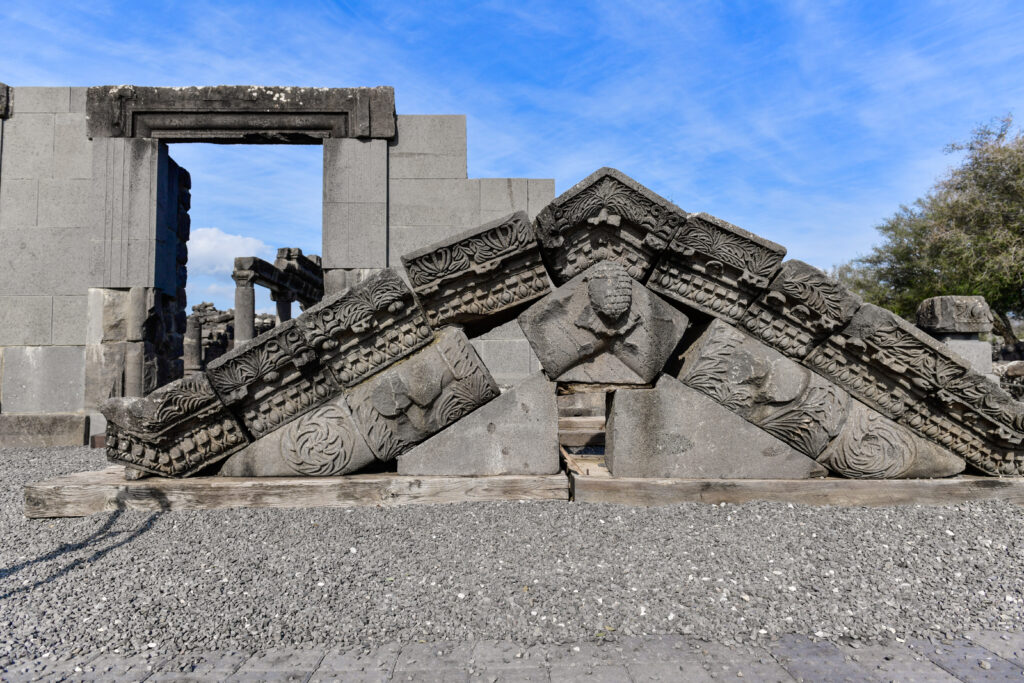
Source: Shutterstock
Despite that reputation in Christian tradition, archaeology has painted a detailed picture of a prosperous Jewish settlement. Excavations have revealed an impressive synagogue, a mikveh (ritual bath), agricultural installations, olive and wine presses, and evidence of a vibrant community that flourished during the Roman and Byzantine eras.
According to excavation director Achia Cohen Tavor of Ariel University, the gemstone provides another glimpse into daily life in the ancient village.
“The Nicolo stone was considered a prestigious item and a clear status symbol,” Cohen Tavor said. “Small finds like this open a large window into the personal lives of the residents of ancient Korazim, not only its buildings and streets, but also to their world of beauty, personal status, and connections.”
The gemstone’s presence suggests that at least some residents of Korazim enjoyed considerable wealth and access to luxury goods circulating throughout the Roman Empire.
The find also highlights the continuing archaeological importance of the site. In 2021, another young visitor discovered a 1,500-year-old bronze coin while touring the national park.
For archaeologists, the small blue stone is more than an attractive artifact. It is tangible evidence of Jewish life in the Galilee during a period when Korazim stood as a prosperous community overlooking the Sea of Galilee, leaving behind traces of its residents that continue to emerge from the soil centuries later.