
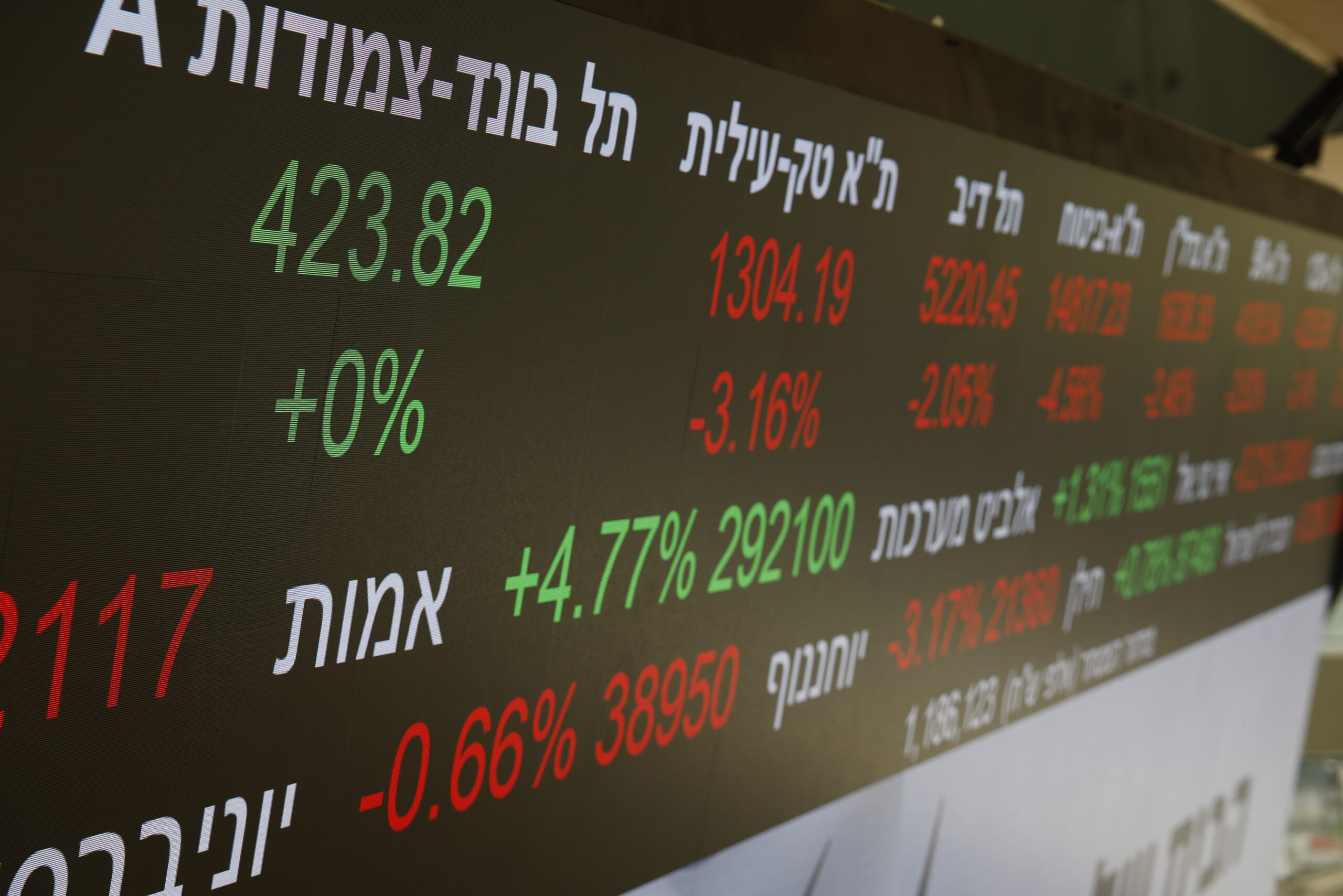
On October 8, 2023, the morning after the worst massacre of Jews since the Holocaust, financial analysts across the world reached the same conclusion: Israel’s economy was in for a prolonged and painful collapse. The country was at war. Hostages were in Gaza. Reserve soldiers were being called up by the hundreds of thousands. Foreign airlines were canceling flights. The consensus was almost universal.
They were wrong.
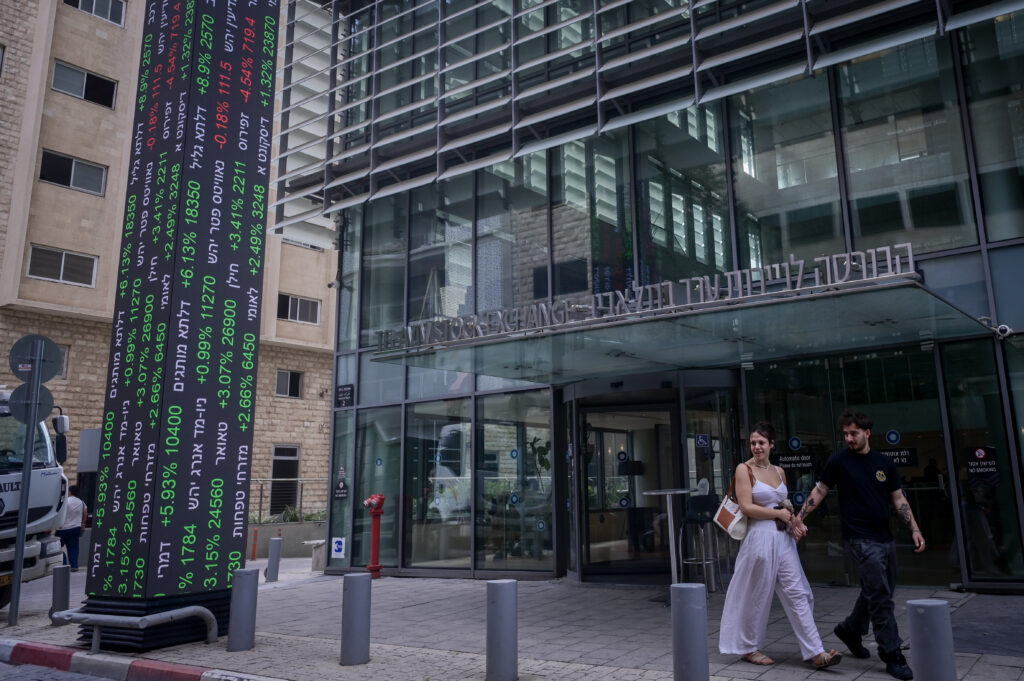
What has happened to the Israeli economy since October 7th is, by any objective measure, one of the most startling financial stories of the decade. In 2025, the Tel Aviv Stock Exchange’s benchmark TA-35 index surged 51.6%, more than tripling the performance of the S&P 500 (17.9%) and leaving the NASDAQ-100 (21.0%) far behind. By early 2026, Israel’s total equity market capitalization reached an all-time high of 2.3 trillion shekels, nearly double its wartime lows of late 2023.
This is not a rounding error. This is not a blip.
The Companies Leading the Surge
To understand what is driving these numbers, look at who is doing the outperforming.
Elbit Systems, one of Israel’s flagship defense and electronic technology companies, saw net profit growth of over 46% year over year, powered by an unprecedented backlog of international orders. Nations around the world, watching Israel’s military performance, decided they wanted Israeli-designed security technology protecting their own borders. NextVision Stabilized Systems, a developer of advanced camera payloads for commercial and defense drones, delivered returns exceeding 250% as global demand for battlefield-proven innovation exploded. Bank Leumi helped lead the TA-Banks index to growth of over 60%, a reflection of just how fundamentally sound Israel’s financial infrastructure has remained throughout the war.
None of this fits the narrative that was written for Israel after October 7th.
Why Israel?
The secular explanation is straightforward: Israel’s decisive handling of multi-front threats has fundamentally altered how foreign investors calculate long-term risk. With the structural dismantlement of Iran-backed military infrastructure on Israel’s borders, international capital has surged back in, concluding that Israel’s geopolitical position is stronger, not weaker, than it was before October 7th.
But anyone who has spent time with Israel’s tech founders, startup workers, and young entrepreneurs knows that something else is also at work. The generation of Israelis now driving the country’s innovation economy is the same generation that fought the war. They stepped out of uniform and walked directly into laboratories, startups, and investment meetings. They carry a particular kind of energy that is very difficult to explain to someone who hasn’t seen it up close, and almost impossible to manufacture anywhere else on earth.
The Bible describes it well. Speaking of the Jewish people, Balaam the prophet declared: “Behold, a people that rises like a lioness and lifts itself like a lion” (Numbers 23:24). Three thousand years later, the lioness is still rising.
Want to Learn More?
For many supporters of Israel, the question of how to go beyond prayer, advocacy, and participate more directly in Israel’s growth is one they haven’t known how to pursue. Israeli markets and startups can be difficult to navigate from abroad, and finding someone who actually knows the landscape makes all the difference.
Rabbi Rami Goldberg, Israel365’s Director of Strategic Relationships, has spent over twenty years navigating Israeli business and investment. He is available for individual conversations with people who want to better understand what the Israeli investment landscape currently looks like. These are not sales calls. Rabbi Rami is happy to share his knowledge of the market, discuss what questions are worth asking, and help people figure out whether this is something worth exploring further.
If you’d like to schedule a conversation with Rabbi Rami, click here.