


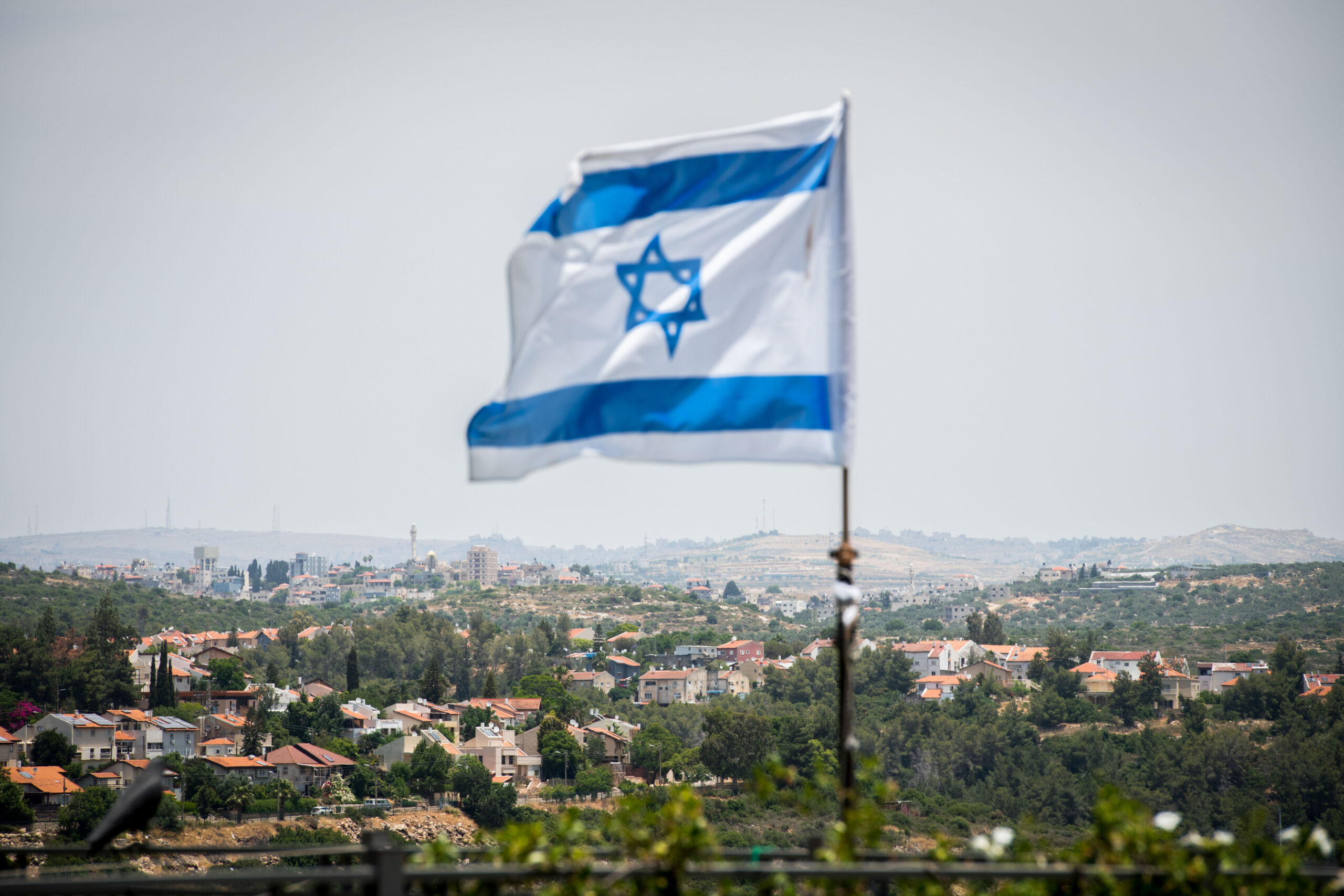
Public statements and off-the-record remarks attributed to Israeli Foreign Minister Gideon Sa’ar have reignited debate over the timing and scope of Israeli sovereignty in Judea and Samaria. The comments, reported following a closed Zoom briefing hosted by American Friends of Likud, indicate that Jerusalem is not moving toward applying sovereignty in the near term, citing the need for coordination with the United States and political considerations linked to President Donald Trump’s position.
Sa’ar reportedly said that any future application of sovereignty would require coordination with the United States, stating that “Implementing sovereignty, we will need to do only with the coordination with the United States of America.” The remarks were interpreted by several political figures as a signal that immediate steps are not on the government’s agenda.
Public reaction followed quickly from across Israel’s political and advocacy landscape. Religious Zionist Party MK Ohad Tal argued that applying sovereignty remains both a moral and biblical imperative and described it as the only framework he believes can bring long-term stability for Jews and Arabs living in the region. He also pointed to ongoing American support for Israeli policy steps already implemented on the ground, expressing confidence that clearer presentation of Israel’s position to Trump could shift U.S. support toward formal recognition.
Former diplomat Yoram Ettinger urged caution regarding formal declarations, advocating instead for incremental expansion of Israeli presence through housing and infrastructure development. He argued that sovereignty discussions in Washington must be framed in terms of U.S. strategic interests, particularly regional stability and security.
Ettinger warned that international recognition of a Palestinian state would, in his view, destabilize Jordan and potentially trigger wider regional repercussions across U.S.-aligned states. He also emphasized the strategic importance of the mountain ridge of Judea and Samaria as a defensive buffer tied to Israeli and American security interests.
The Sovereignty Movement, led by Yehudit Katsover and Nadia Matar, reaffirmed its long-standing position calling for full application of Israeli sovereignty over Judea and Samaria. The group emphasized that national decision-making authority rests in Jerusalem and not abroad, while arguing that hesitation fuels unauthorized land seizures and weakens governance in other parts of the country.
Representatives of the movement also stressed that sovereignty is viewed by its supporters as a structural necessity for governance in the Negev and Galilee as well, framing the issue as a broader question of state authority and territorial control.
Rabbi Tuly Weisz, founder of Israel365 Action, described Sa’ar’s remarks as reflecting diplomatic caution rather than policy reversal, noting that Israeli government actions on the ground continue to expand practical control regardless of formal declarations.
Media figure Avi Abelow, host of the “Pulse of Israel Show,” argued that Israel has not yet fully articulated sovereignty in a way that aligns with Trump’s political worldview, which he described as outcome-driven and strategic rather than procedural. He said the policy debate should be framed in terms of shared U.S.-Israel interests and long-term regional stability.
A representative of American Friends of Likud clarified that the discussion during the briefing was intended to remain off the record.
At the center of the dispute remains a longstanding question about sovereignty, diplomacy, and historical entitlement. The Hebrew Bible describes the land grant to Abraham in explicit terms: “On that day the Lord made a covenant with Abram, saying, ‘To your descendants I have given this land, from the river of Egypt to the great river, the Euphrates’” (Genesis 15:18).
The current debate reflects competing strategic and ideological assessments over how, when, and whether that covenant is translated into modern state policy. The question shaping the discourse is whether Israeli sovereignty in Judea and Samaria will remain a gradual de facto process or move toward formal declaration under international coordination.
For now, the government’s position, as conveyed through Sa’ar’s reported remarks, remains tied to diplomatic alignment with Washington, while political and ideological movements inside Israel continue pressing for a decisive shift toward formal sovereignty.
