




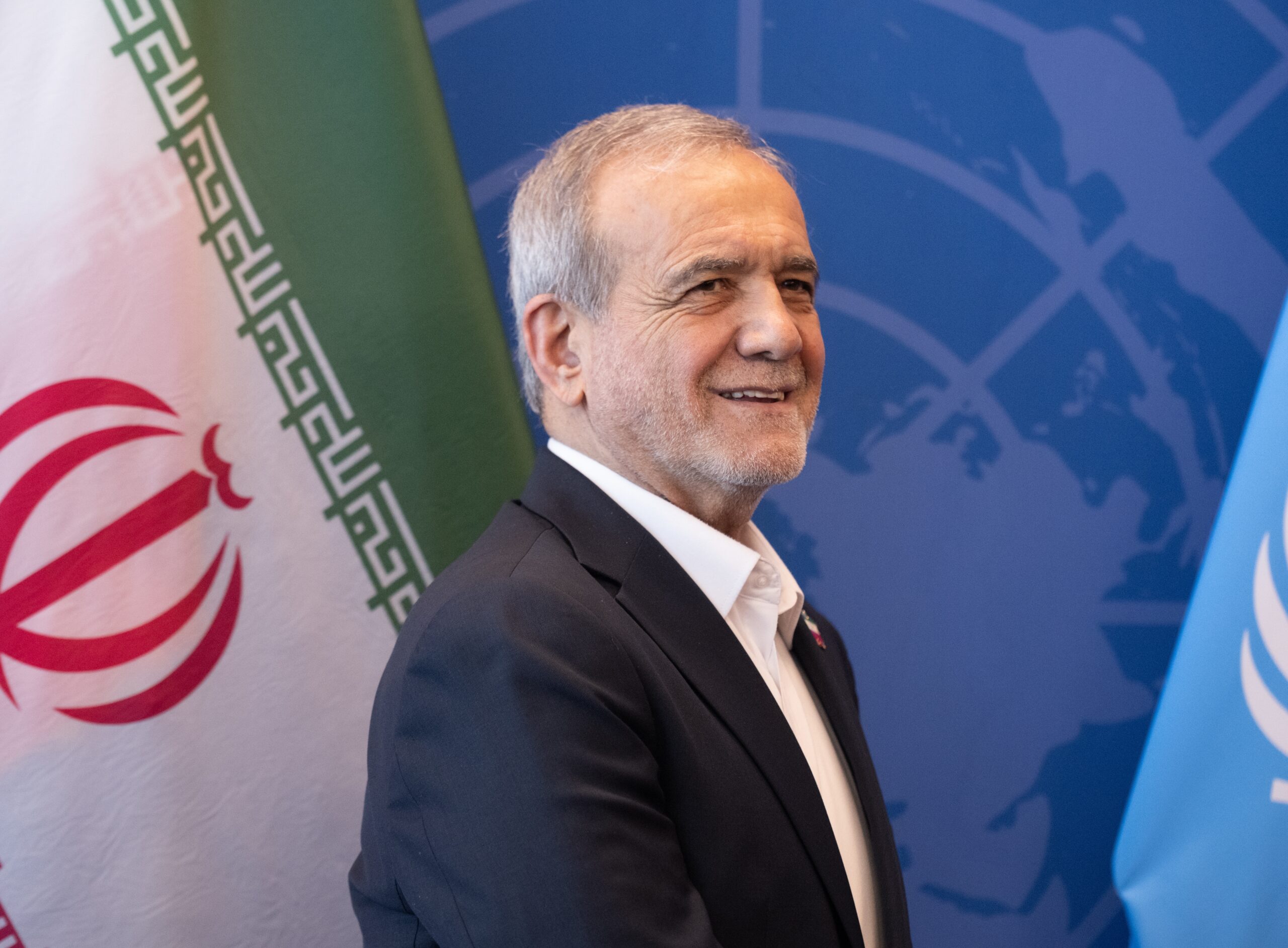
Every American administration since 1979 has eventually convinced itself that somewhere inside the Iranian regime, there are reasonable people waiting to be empowered. They just need the right incentives, the right opening, the right signal from Washington. The names change — Rafsanjani, Khatami, Rouhani, now Pezeshkian — but the logic never does. Find the moderate, lift the pressure, let him consolidate, and watch a workable Iran emerge.
We are watching this logic take hold again.
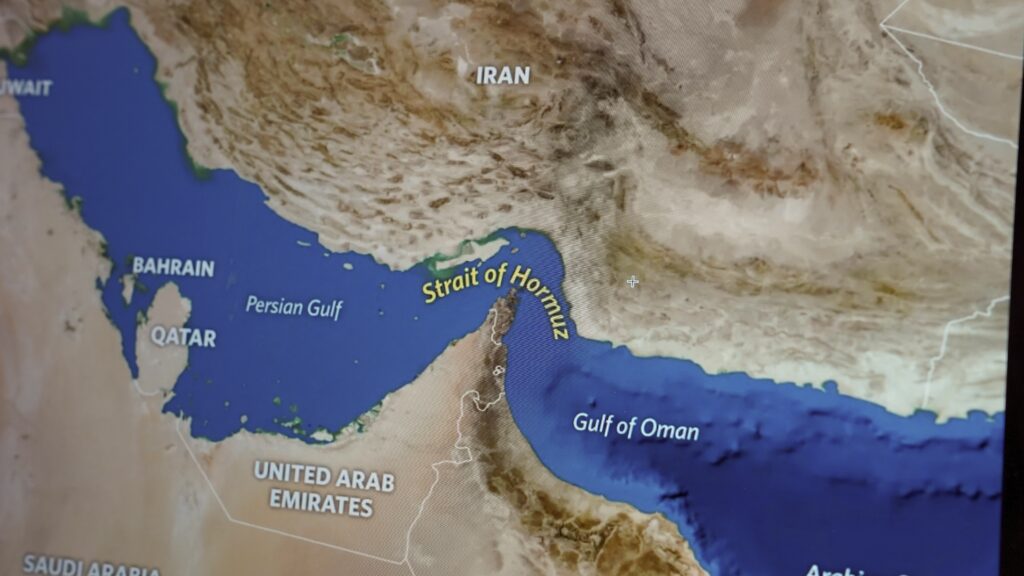
The evidence, if you look for it, is right on the surface. When Iran’s foreign minister, Abbas Araghchi, declared publicly that the Strait of Hormuz was open to shipping, only to be flatly contradicted hours later by Iran’s powerful Revolutionary Guards, the IRGC, Washington saw a regime divided against itself. When Vice President JD Vance came out of recent negotiations and admitted he wasn’t certain the Iranian officials he met had the authority to agree to anything, that too looked like proof that pragmatists were struggling to take control away from hardliners. The conclusion that follows almost automatically: help the pragmatists win the internal argument, and there’s a deal to be had.
Dr. David Wurmser, a veteran Middle East analyst who served on the National Security Council under President George W. Bush, thinks this reading is not just wrong but dangerous. I spoke with him this week, and his argument deserves a wider hearing.
The factional divisions inside Iran are real. But the ideological difference between those factions, Wurmser argues, is essentially zero. Since Supreme Leader Ali Khamenei consolidated power in 1989, the entire regime has been driven by a single apocalyptic belief: that Islam’s awaited messianic figure — the Hidden Imam, who Shiite Muslims believe disappeared in the ninth century — can be brought back, but only through a world-shaking war that forces his return. This is not a belief held by a few fanatics in the basement. It is the organizing ideology of the Iranian state. Every faction, from the Revolutionary Guards to the elected officials Washington considers moderate, operates within this framework. They are not disagreeing about where they want to go. They are disagreeing about how fast to drive.
The moderation Washington sees in Iran’s elected leaders has a simpler explanation: they want to buy time. They want relief from American pressure not because they reject the regime’s goals, but because they think surviving the moment is the precondition for achieving them. Their goal is simple: to live to fight another day. That is not moderation. That is a plan to pocket whatever deal gets signed and cheat on it the moment the pressure lifts.
And here is what Washington most needs to hear. The so-called pragmatists are in some ways more dangerous than the hardliners, not less. The Revolutionary Guard general who shouts “death to America” is at least honest about where he stands. The foreign minister who smiles through negotiations while the nuclear program continues underground is a different kind of problem — harder to read, harder to counter, and far better at telling the Americans what they want to hear.
None of this means the factional tensions don’t matter. They matter enormously — but not because they give us a moderate faction to work with. They matter because a regime fighting itself is a regime that can be broken. The goal isn’t to pick a winner among the factions. It’s to keep the pressure high enough that no one wins — until the whole thing comes apart.
The blockade is doing part of that work. By strangling Iran’s ports and cutting off its income, the United States is squeezing a regime that needs money to function — including money to pay the Iraqi and Afghani militias it has imported by the tens of thousands. These are not Iranian soldiers with any loyalty to the country. They are hired guns brought in specifically to shoot Iranians who step out of line. But financial pressure alone isn’t enough. What really drives factional leaders toward the breaking point, Wurmser argues, is the knowledge that at any moment a drone or an F-15 could come for them personally. That threat, immediate, lethal, unpredictable, is what makes rivals nervous enough to start turning on each other.
A ceasefire removes exactly that threat. The money squeeze continues, but the personal danger disappears. Factions that were beginning to fracture find reasons to close ranks. You can starve a regime and still give it enough stability to survive. What you cannot do is fracture it while it’s catching its breath.
Washington can read the current situation one of two ways. It can see a fractured regime and look for the faction willing to make a deal. Or it can see a fractured regime and apply exactly the kind of sustained, unrelenting pressure that turns a crack into a collapse — which means keeping the blockade, refusing the pleasantries of diplomacy, and making sure every Iranian power broker goes to sleep each night not knowing whether tomorrow is the day an American aircraft appears over his head.
One of those paths ends with a signed agreement and a nuclear Iran. The other ends with a different Iran entirely.
Rabbi Pesach Wolicki is the Executive Director of Israel365 Action.


