




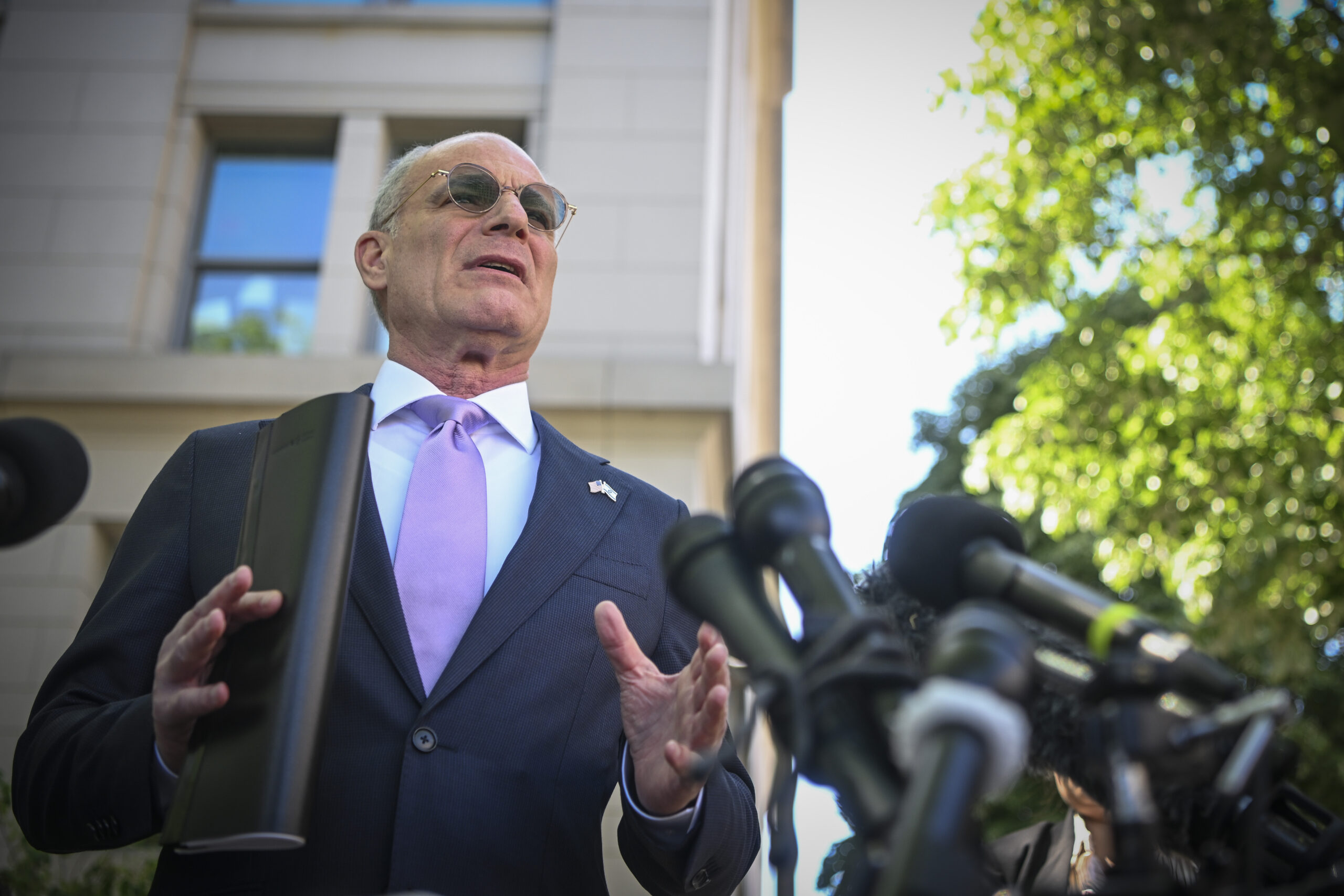
A diplomatic shift unfolded in Washington as Israeli and Lebanese representatives sat in the same room under US mediation, discussing the future of the northern front and the removal of Hezbollah from the center of Lebanese political and military life. The meeting between Israel’s Ambassador to the United States, Yechiel Leiter, and Lebanon’s Ambassador Nada Hamadeh Moawad was framed by both sides not as a negotiation between enemies seeking recognition, but as a coordinated effort to confront a shared destabilizing force that has dominated the Israel-Lebanon border for decades. US Secretary of State Marco Rubio and senior American officials facilitated the discussions, signaling that Washington views the moment as an opportunity to reshape the region’s security reality.
At the center of the talks was a blunt assessment repeated by Israeli officials that Hezbollah, not the Lebanese state, remains the core obstacle to stability. Leiter described the strategic moment as an opportunity created by Hezbollah’s military weakening, and stressed that future arrangements depend on its disarmament. Lebanese representatives, while emphasizing sovereignty and an end to hostilities, signaled openness to structured dialogue that could reduce escalation and restore state authority in southern Lebanon. The US position, as articulated by State Department officials, focused on enabling Lebanon to reassert control over its territory while ensuring Israel’s long-term security through direct state-to-state engagement.
The central issue emerging from these discussions is not only the question of border security, but whether Lebanon can reestablish itself as the sole authority within its own territory while removing Hezbollah as an armed political actor operating outside the state. Israeli officials made clear that normalization or long-term arrangements cannot proceed without disarmament of Hezbollah’s military infrastructure, which has driven repeated cycles of war and cross-border fire. Lebanese officials, in turn, expressed urgency to end the conflict and stabilize internal conditions, while maintaining that any resolution must preserve Lebanon’s sovereignty.
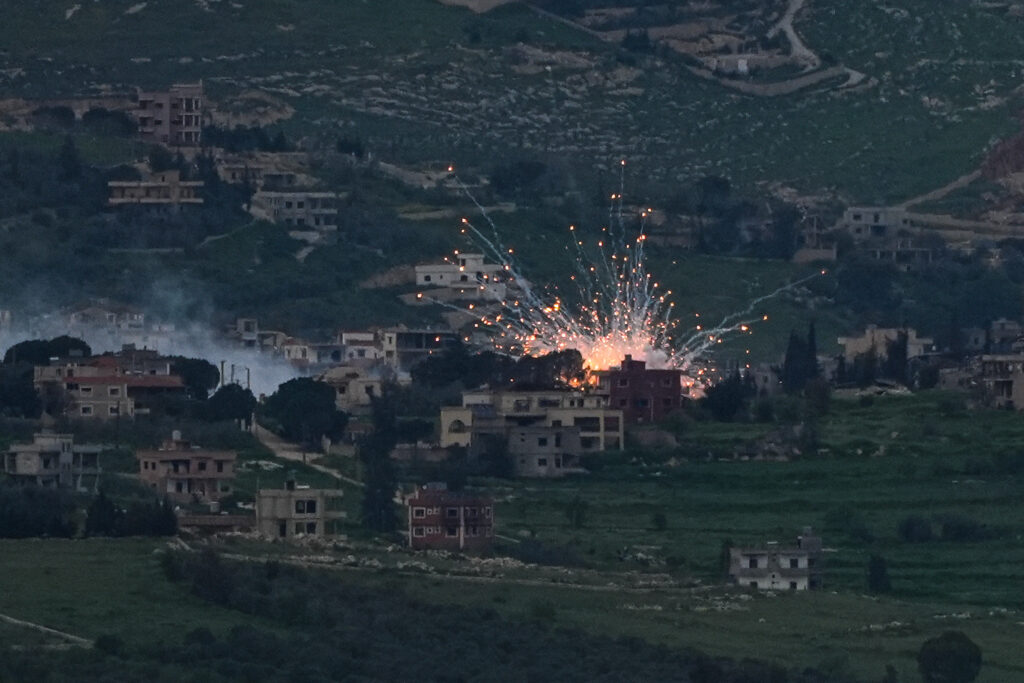
The Washington meeting reflects a reality in which regional actors are beginning to acknowledge that prolonged instability along Israel’s northern border has come at a cost to both societies. The framing articulated by Israeli and Lebanese envoys, supported by US mediation, places Hezbollah at the center of the strategic problem rather than the Lebanese state itself. That distinction has become the foundation for a potential shift from decades of indirect confrontation to structured dialogue between governments.
The conclusion emerging from the talks was that any future arrangement depends on the removal of Hezbollah’s military power and the restoration of the state’s exclusive authority in Lebanon. Without that, the cycle of escalation remains unchanged. With it, both Israel and Lebanon enter a different strategic reality in which border stability and long-term diplomatic engagement become possible within a defined framework of state responsibility and security enforcement.

