


On the night of June 1, 1941, Jews in Baghdad were celebrating Shavuot (Pentecost). The next morning, mobs descended on the Jewish quarter.
By the time it was over, two days later, at least 128 Jews were dead, 210 were injured, and more than 1,500 homes and businesses had been looted or destroyed. The violence was organized, targeted, and ideologically driven — a Nazi-style pogrom carried out in the heart of the Arab world.
The Farhud, as it became known, is a name that most people, including most Jews, have never heard.
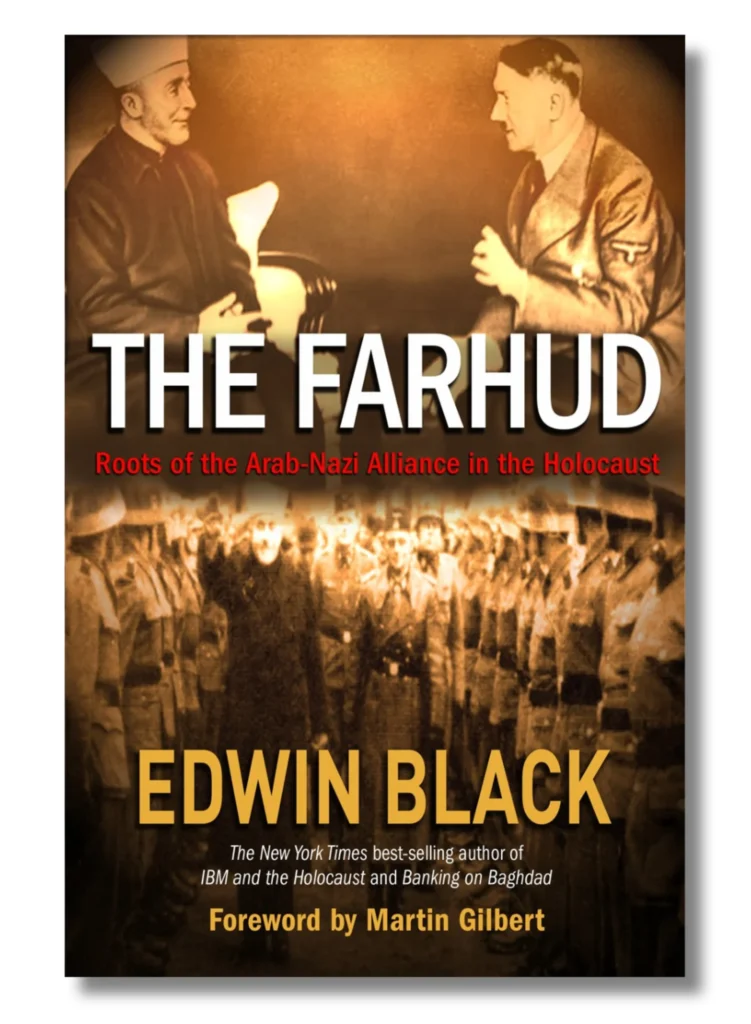
Edwin Black’s book, The Farhud: Roots of the Arab-Nazi Alliance in the Holocaust, sets out to change that. Against the backdrop of rising antisemitism and the persistent whitewashing of Arab collaboration with the Nazi regime, it remains a book that deserves to be read on Yom Hashoah — and a history that the Jewish world can no longer afford to ignore.
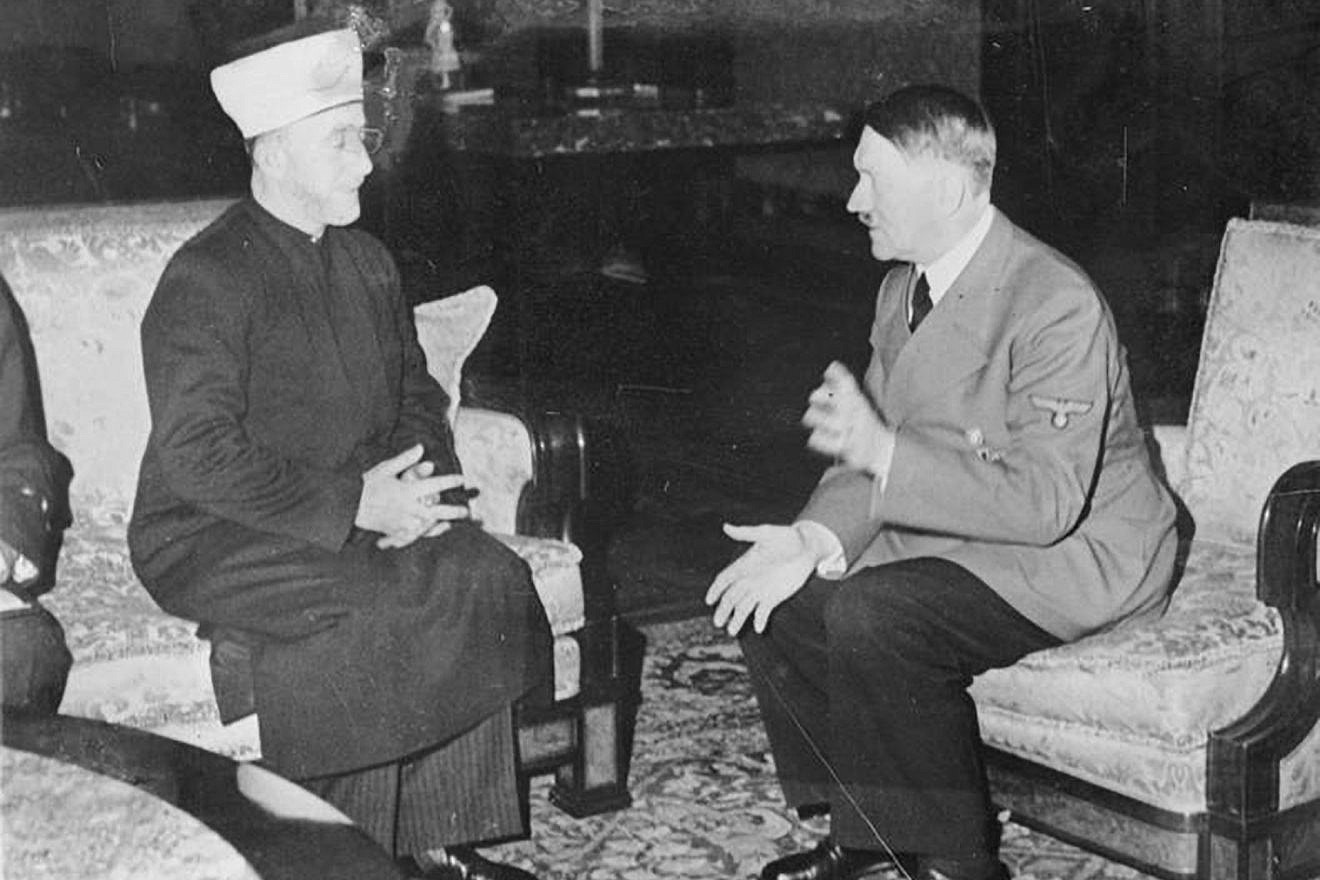
Iraq in 1941 was not a neutral country. After the coup led by Rashid Ali al-Gaylani, an Iraqi nationalist government sought Axis support against Britain, while the British still retained major strategic influence and soon moved militarily to reverse the situation. The Grand Mufti of Jerusalem, Hajj Amin al-Husayni, was in Baghdad at the time, having fled there after fomenting Arab violence in Mandatory Palestine. He was not a bystander; the Mufti actively supported the anti-British, pro-Axis effort.
When the pro-Nazi government collapsed, and British forces entered Baghdad, a power vacuum opened, and the mobs filled it. The Jews, long a thriving community in Iraq with roots stretching back to the Babylonian exile, were the target.
Black’s book (available here) argues that this was not a spontaneous riot; it was the fruit of a years-long ideological and political alliance between Arab nationalism and Nazi Germany, one that found its most visible embodiment in the Mufti’s meeting with Adolf Hitler in November 1941, just months after the Farhud. In that meeting, documented by the U.S. Holocaust Memorial Museum, the Mufti sought Nazi backing for Arab independence and the elimination of any Jewish presence in the Holy Land. This was not a fringe encounter. It was a strategic alignment.
On Yom Hashoah, the Jewish world lights candles for six million. We recite names and watch movies with images of camps, ghettos, and cattle cars. All of this is right and necessary. But there is a chapter of the Holocaust that is rarely part of the day’s commemorations.
Nearly one million Jews lived in Arab countries in 1948. Within three decades, almost all of them were gone — expelled, dispossessed, or forced to flee. The Jewish communities of Baghdad, Cairo, Tripoli, Aden, Tunis, and Fez, some of them more than two thousand years old, were destroyed. Their synagogues were shuttered, their property confiscated, their histories erased.
The Farhud was the beginning of that story.
Black traces how the Nazi-Arab alliance did not simply evaporate in 1945. The ideological poison spread. The template of the Farhud, organized mob violence against Jews under the cover of political crisis, was repeated across the Arab world in the years following Israel’s independence. The destruction of Iraqi Jewry, which the Farhud inaugurated, was eventually completed by the Iraqi state itself.
This history has been systematically ignored, both by Arab governments eager to avoid accountability and by a Western world that finds the Nazi-Arab alliance inconvenient to acknowledge. It complicates the narrative and raises questions that nobody wants to answer.
Holocaust Remembrance Day asks us to remember. But remembrance without full truth is incomplete. The Holocaust was not only Auschwitz and Treblinka. It was also Baghdad, June 1941 — a night when Jewish families celebrating a holy holiday had no idea that mobs were already sharpening their knives.
The Farhud: Roots of the Arab-Nazi Alliance in the Holocaust is essential reading. Get your copy today.


