
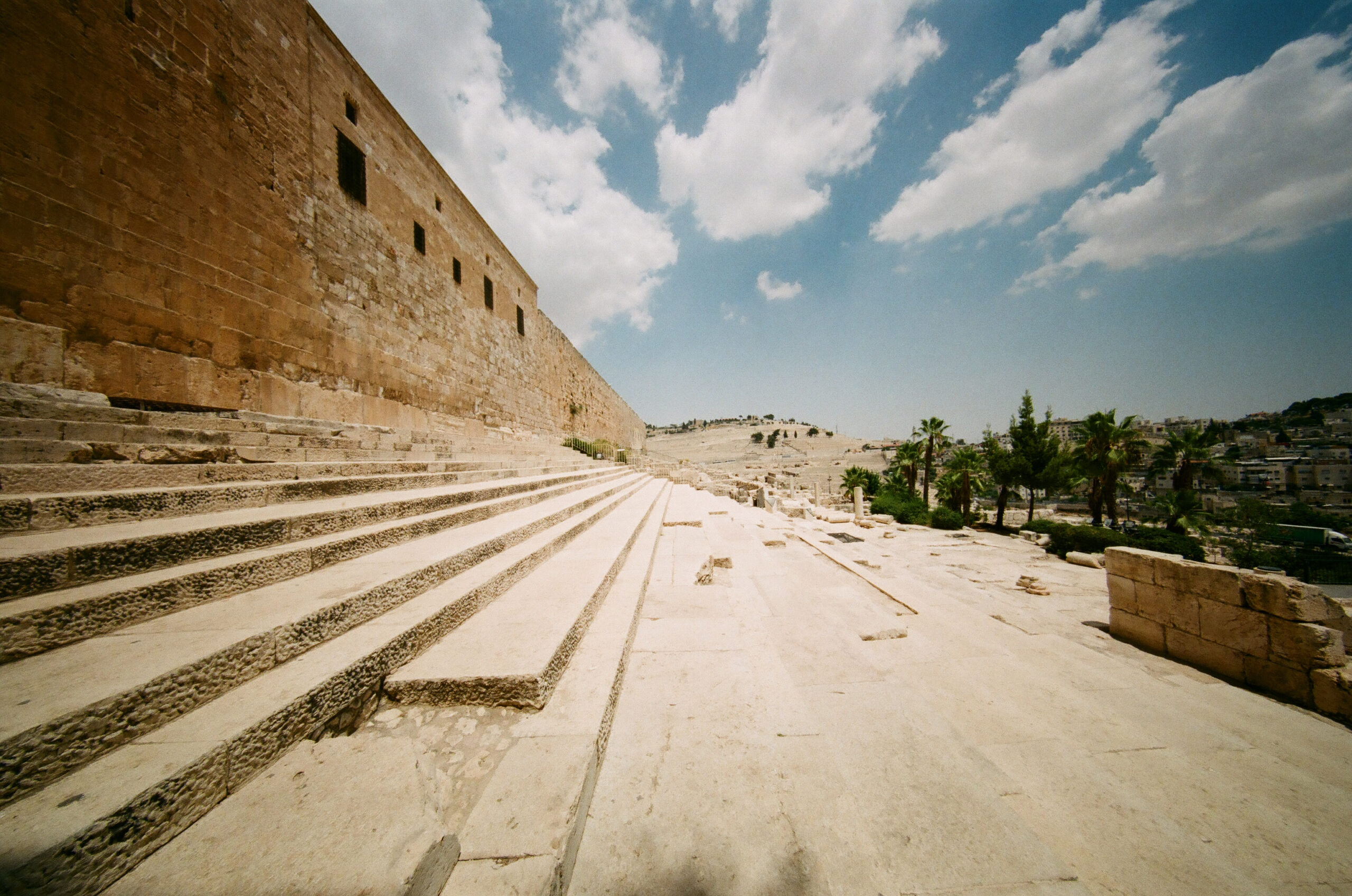
After forty days of restricted access at the Western Wall Plaza, Jerusalem’s holy sites reopened on Thursday morning, restoring full public worship following a shift in defense policy and updated Home Front Command guidelines. By sunrise, the plaza was already filling, with thousands of worshippers returning to the Western Wall after a prolonged period in which entry had been limited to roughly fifty people at a time.
From the early morning hours, the scene at the Western Wall shifted rapidly from quiet restriction to mass prayer. Worshippers arrived in steady streams, many offering prayers of thanksgiving alongside supplications for the well-being of IDF soldiers and security forces, the recovery of the wounded, and the security of the State of Israel. The Western Wall Heritage Foundation confirmed that the tefillin station at the entrance to the men’s section, along with access to the Western Wall Tunnels, also resumed normal operations. Reservations for visits were reopened through the Foundation’s website and by phone at 5958.
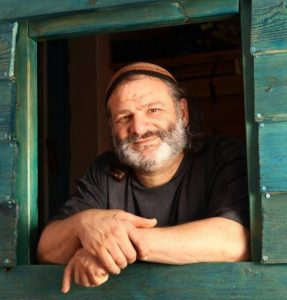
Rabbi Shmuel Rabinowitz, Rabbi of the Western Wall and Holy Sites, described the return as the restoration of a long-awaited rhythm of prayer at the center of Jewish life. “It is moving to see the Jewish nation, in all its diversity, once again streaming to the Western Wall Plaza – the beating heart of the Jewish people – after an extended period of restrictions,” he said. He added that the return of large numbers of worshippers reflects “the deep need that became evident during the days of fighting,” emphasizing that expanded access must remain “responsible and within an appropriate framework.”
The reopening followed a broader easing of wartime restrictions after a ceasefire between the United States and Iran and a reassessment by the IDF Home Front Command. While most regions returned to normal activity, several areas in northern and central Israel remained under partial limits on public gatherings.
The reopening also restored access to other sacred sites in Jerusalem’s Old City. At the Har HaBayit (Temple Mount), thousands of Muslim worshippers entered the Al-Aqsa Mosque complex for the first time in over a month, following the same policy changes that reopened the city’s holy sites for public prayer. Police deployed in large numbers throughout the Old City in anticipation of increased crowds, as both Muslim and Jewish worshippers returned under adjusted security arrangements.
At the Kotel (Western Wall), the return of mass prayer carried particular weight after a period in which major gatherings were sharply restricted during the conflict. During the war, even major religious events such as Birkat Kohanim (the Priestly Blessing) were held under severe limitations, with only a fraction of the usual crowds permitted in the plaza.
The Western Wall Heritage Foundation noted that worshippers were once again arriving in large numbers for prayer and thanksgiving, while continuing to emphasize regulated access during periods of heightened security risk. The organization has also signaled ongoing coordination with authorities to manage visitor flow during future periods of tension.
In parallel, Jewish visitors also resumed visits to the Temple Mount in limited, scheduled windows. Reports from the site indicated increased activity near the eastern sections of the compound, alongside continued police oversight of movement and prayer practices in accordance with existing arrangements. Beyadenu reported that 488 Jews asccended to Judais’s holiest site despite continued restrictions.
וכעת – הר הבית נפתח שוב ליהודים אחרי 40 יום בהם היה סגור בעקבות המלחמה@GLZRadio https://t.co/4XWtnGXffg pic.twitter.com/95y8nNsWcC
— נועם נקש || Noam Nakash (@nakash_noam) April 9, 2026
The reopening comes ahead of major upcoming religious events in Jerusalem, including Christian observances at the Church of the Holy Sepulchre. Police officials have held coordination meetings with church leaders to manage expected crowds during the Holy Fire ceremony, an annual gathering that draws large numbers of Orthodox Christian worshippers from around the world.