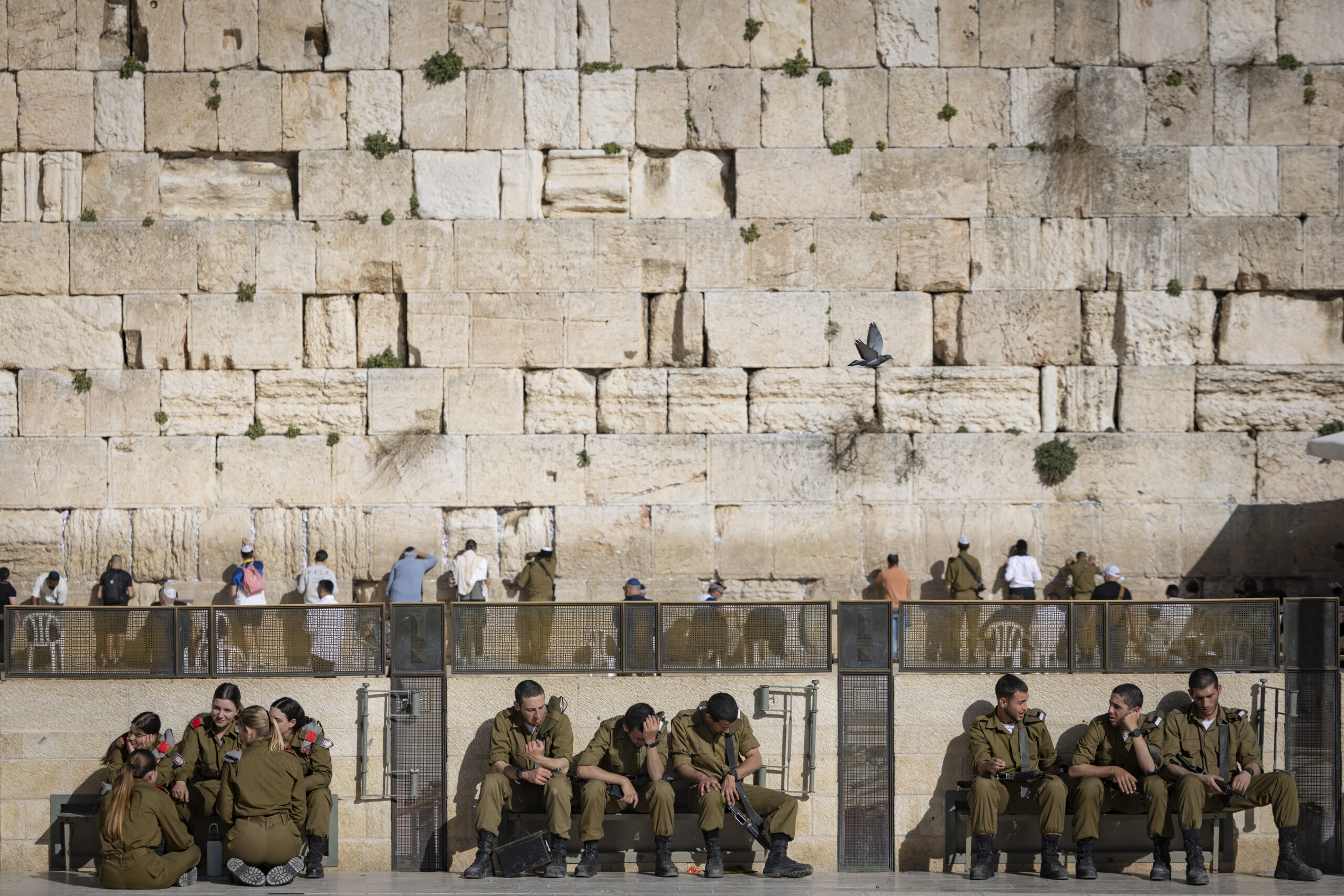
Prime Minister Benjamin Netanyahu canceled a scheduled vote in the Ministerial Committee for Legislation on February 22, 2026. The vote would have advanced a bill from Knesset member Avi Maoz of the Noam party to place the entire Western Wall plaza under the Chief Rabbinate and enforce Orthodox prayer customs throughout. The cancellation came two days after the High Court of Justice ordered the government to move forward with upgrades to the egalitarian section at Robinson’s Arch. Coalition partners from Shas, United Torah Judaism, and Otzma Yehudit immediately pledged to force the bill through the full Knesset.
Why Fight Over Prayer Rules in the Lower Plaza?
The Western Wall plaza sits in what was the ancient Court of the Gentiles, an outer area beyond the Soreg balustrade where non-Jews were permitted to pray. Archaeological remains from Herodian street levels show this section lies meters below the Temple Mount platform. The authentic Ezrat Yisrael stood elevated inside the Azarah, adjacent to the altar and restricted to pure Israelite men. Naming the southern Robinson’s Arch area Ezrat Yisrael assigns a sacred title to a common zone that never held that status.
The Bible Demands Exact Adherence to the Pattern
God gave Moses a precise blueprint for the sanctuary. Exodus 25:9 states: “According to all that I show thee, the pattern of the tabernacle, and the pattern of all the furniture thereof, even so shall ye make it” (Exodus 25:9). The Hebrew vechen ta’asu means “just so shall you make it,” an unbreakable command against any change. The Sages stress that deviation from this template invalidates the entire structure and its service.
Holiness Requires Clear Separation from the Common
The Torah forbids mixing holy and common. Leviticus 10:10 declares: “And that ye may put difference between the holy and the common, and between the unclean and the clean” (Leviticus 10:10). The command “to differentiate” demands strict distinction. Treating the unsanctified plaza as kodesh erases this boundary and profanes what belongs to the inner courts.
The Red Heifer Ritual Leaves No Room for Shortcuts
Another recent concern…Numbers 19:2 commands the people to bring a faultless red heifer: “This is the statute of the law which the LORD hath commanded, saying: Speak unto the children of Israel, that they bring thee a red heifer, faultless, wherein is no blemish, and upon which never came yoke” (Numbers 19:2). The command “to bring” (yikchu) requires procurement, understood as purchase with communal funds to ensure independence. Mishnah Parah details slaughter on the Mount of Olives facing the Temple porch, with separate clean kohanim for each step and Sanhedrin oversight for purity declaration.
King David Refused to Offer What Cost Him Nothing
King David insisted on paying full price for the threshing-floor he used for an altar. Second Samuel 24:24 records: “And the king said unto Araunah: ‘Nay; but I will verily buy it of thee at a price; neither will I offer burnt-offerings unto the LORD my God which cost me nothing.’ So David bought the threshing-floor and the oxen for fifty shekels of silver” (2 Samuel 24:24). The principle stands firm: offerings to God must carry real cost and ownership from the community. Accepting generous gifts for this ceremony risks external claims that compromise halachic independence.
Byron Stinson’s Dedication Deserves Recognition, Yet Ownership Remains Vital
Byron Stinson has shown genuine commitment by locating, breeding, and transporting red heifer candidates from Texas to Israel. His efforts through Boneh Israel and Build the Temple have advanced practical steps toward readiness. The Temple Institute itself has run active fundraising campaigns, including designated funds for red heifer procurement, breeding, and maintenance. These campaigns make clear that the community must own the animals outright through purchase, not accept them as donations, or worse as “foreigner owned”, to fulfill the command properly.
A Recent Ceremony in Shiloh Fell Far Short of the Command
On July 1, 2025, a heifer was slaughtered and burned outside ancient Shiloh using one of the Texas-sourced animals donated by Stinson. The Temple Institute issued a firm statement declaring the event only a practice simulation with a deliberately disqualified heifer bearing defects including a damaged tail. Ashes were handled improperly, including by individuals impure from corpse contact, and the ritual ignored the required Mount of Olives location and separation of roles. Stinson holds no halachic authority or position in any Jewish court, yet “declares” a proper slaughter as if he were the Nasi.
Some are Claiming Validity
An Orthodox man, reportedly a kohen present or connected to the event, has stated publicly that the Shiloh ceremony held positive value or partial validity. The Temple Institute as well as many halakhic authorities remains clear: the ashes are invalid per Mishnah Parah and Rambam, Hilchot Parah Adumah. Mishnah learned at a very young age. If energy goes toward defending basement-level arrangements instead of pressing forward with Mount of Olives preparations, priorities appear misplaced.
Substitutes Bring Shame Instead of Restoration
Ezekiel 43:10-11 instructs the prophet to show the pattern to the people so they “may be ashamed of their iniquities” and to measure it exactly. Settling for a renamed basement plaza or ashes from an unauthorized burn mocks the command to rebuild. Leave the plaza to those it belongs to, the Nations. Halachic stringency requires seating the Sanhedrin on the Temple Mount to oversee purity, declare animals kosher, and guide kohanim without compromise.
The Nations Have Their Place, but Israel Must Claim the Holy
Isaiah 56:7 promises the Temple will be called a house of prayer for all peoples, allowing the outer court for the nations. Israelites must not surrender the inner precincts to fulfill that inclusion. The greatest mitzvah demands full restoration of offerings in the sanctified courts according to the exact pattern. Rebuild now. Seat the court. Purchase and own every element. Stop the substitutes. The shame of halting meters short overwhelms when the mount stands ready for precise obedience.
Ascend!
| To conclude, the imperative remains clear: adhere faithfully to the divine blueprint for sanctity and ritual, as outlined in Torah and classical sources. For further explorations of these profound halakhic and prophetic dimensions, including exclusive analyses of Temple restoration and Hebrew truths, access my Substack newsletter here |