




Walking the floor at National Religious Broadcasters, it’s easy to encounter ideas, books, and conversations about the Bible.
What’s rare is the chance to step into it – into the world behind the text. That opportunity awaits attendees at the Ministry of Heritage booth, located at Booth #327, where the State of Israel is offering one of the most compelling experiences at the conference.
This is not a promotional display or a static exhibit. It is an immersive encounter with the land, history, and legacy of the Bible, grounded in archaeological discovery, cultural preservation, and lived tradition.
History You Can Experience
At the National Religious Broadcasters International Christian Media Convention, taking place February 17 to 20, 2026, at the Gaylord Opryland Resort and Convention Center in Nashville, Tennessee, the Ministry of Heritage booth offers visitors a rare opportunity to engage directly with the world of the Bible.
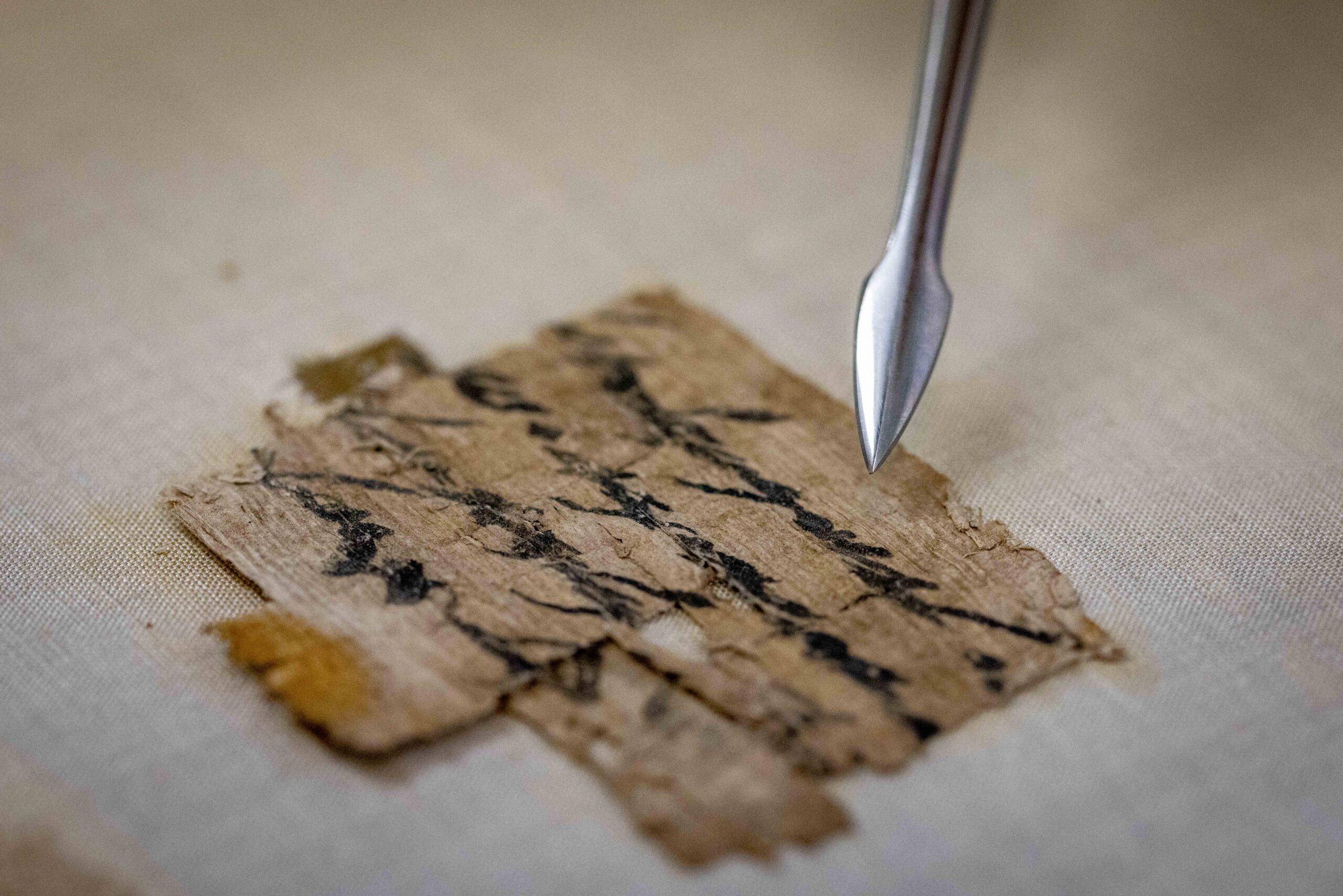
Visitors encounter archaeological artifacts dating back to the era of King David, drawn from documented excavations in Israel. These items illuminate the historical setting of the biblical world and provide context for the people, places, and events described in Scripture.
The exhibit is designed as a five-senses experience. Guests are invited to see, touch, smell, hear, and taste elements inspired by biblical Israel. This approach moves history beyond the page and into lived experience, allowing visitors to connect more deeply with the world behind the text.
Rather than observing history at a distance, visitors are invited to engage with it directly, experiencing the textures, sounds, and rhythms that shaped daily life in biblical times.
Meet the Experts Behind the Discoveries
A central feature of the exhibit is the opportunity to engage directly with the people leading Israel’s heritage and archaeological work today.
Visitors can meet Itay Granak, Director General of the Ministry of Heritage and a board member of the Israel Antiquities Authority. Granak brings extensive experience in public leadership, cultural initiatives, and education. Prior to his current role, he served as CEO of Zehut, an organization dedicated to strengthening Jewish identity and social cohesion across Israel, significantly expanding its reach and national impact.

Also present is Eyal Freiman, Deputy Manager of Archaeology in Judea and Samaria. Freiman holds advanced degrees in archaeology with a specialization in the Iron Age and biblical period. Since 2011, he has worked in a range of archaeological roles and now oversees archaeological activity throughout the region, including collaboration with academic and scientific research institutions.
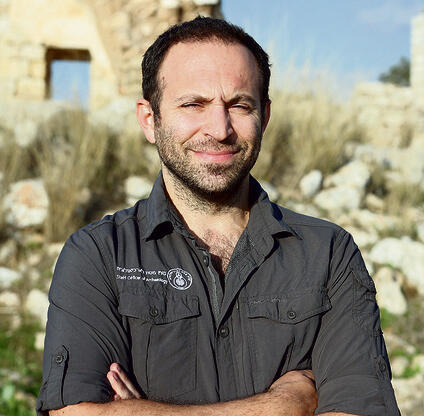
Freiman also addressed broader challenges facing the field of archaeology today, particularly efforts to marginalize research conducted in Judea and Samaria. He emphasized that these efforts affect not only scholars but the integrity of the discipline itself.
“The academic boycott against archaeology in Judea and Samaria not only diminishes the heritage of the Jewish people and the historical periods of the Bible and the New Testament, but also poses a risk to the research field and to the integrity of archaeological science,” Freiman said.
According to Freiman, archaeology depends on open inquiry, professional collaboration, and access to evidence. When research is restricted or dismissed based on geography or ideology, it becomes harder to reconstruct the past accurately and responsibly.
Granak, Freiman, and additional archaeologists are available throughout the conference for conversation, questions, and discussion, sharing insight into recent discoveries, ongoing excavations, and how archaeology continues to deepen understanding of the Bible.
Guardians of Israel’s Historical Memory
The Ministry of Heritage is responsible for safeguarding the physical and cultural connections that link the Jewish people to their ancestral homeland. The Ministry oversees Israel’s most significant archaeological sites, national monuments, museums, and archives, ensuring that Israel’s story is preserved with care and accuracy.
Its work extends beyond excavation and preservation. The Ministry also leads efforts to protect the Hebrew language and literature, document traditional music and dance, and preserve ceremonial practices that have shaped Jewish identity for centuries. Together, these initiatives ensure that Israel’s past is not only protected but meaningfully transmitted to future generations.
A Living Connection to the Bible
For faith leaders, broadcasters, and communicators, the Ministry of Heritage booth offers clarity at a time when biblical history is often questioned or reduced to abstraction. Through evidence, scholarship, and firsthand engagement, the exhibit affirms that the Bible is rooted in real places, real people, and real history.
Throughout the conference, attendees can visit the Ministry of Heritage booth at Booth #327 for an experience that does more than inform. It creates a lasting connection to the land and legacy behind the Bible, one that continues to resonate long after the conference concludes.
