At the end of a Friday night Shabbat meal in America, a group of Christian Zionists turned to me and asked something I didn’t expect.
“Can you bless us—in Hebrew?”
A few minutes earlier, we were singing together the traditional blessing Jewish parents give their children. We sang it in English so everyone could understand. But now they wanted to hear it in the original language, spoken out loud, the way it has been said for generations.
So I stood up, and I blessed them.
At the time, I didn’t fully grasp what had just happened. Only later did I realize that in a small, quiet way, I had been pulled into one of the deepest callings in the Torah: Israel’s mission to be not only a holy nation, but also a kingdom of priests.
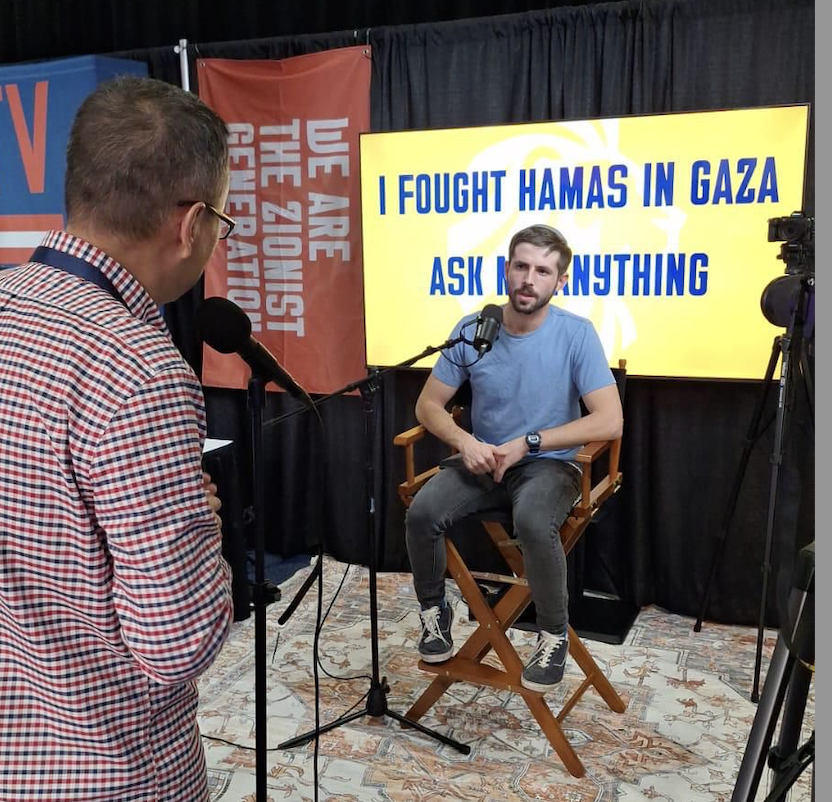
This past December, during the Chanukah holiday, I found myself in a place that isn’t typical for a young, Torah-observant Israeli reserve soldier: a conference called AmericaFest (AmFest). AmericaFest is the annual gathering of TPUSA, led by Charlie Kirk, and it draws tens of thousands of people from across the American conservative movement. This year, around 30,000 people attended.
As you can probably guess, I went to advocate for Israel: to speak about the war, about what’s happening in Israel, and about the importance of the alliance between Israel and the United States. But during the conference I realized there is an entire world there—and that it is worth connecting to, especially for someone who believes in the path of Torah.
In this week’s Torah portion, the portion of Jethro, the people of Israel arrive at Mount Sinai to receive the Torah. Even before the Ten Commandments, God speaks to them and says:
“You have seen what I did to Egypt… and now, if you will indeed listen to My voice and keep My covenant, then you shall be My treasured possession among all peoples… and you shall be to Me a kingdom of priests and a holy nation” (Exodus 19:4–6).
God reminds Israel of the Exodus from Egypt, and then gives them two missions. The first: to listen to God and keep His covenant. The second: to be a kingdom of priests and a holy nation. The way these ideas are placed together suggests something powerful: that the Exodus itself was leading to these missions.
That leads to a simple but essential question: How are we supposed to live out these two callings? This is not just theoretical. It touches the way the Jewish people are meant to live and act in the world even today. If these callings are so central—so central that the Exodus was for their sake—then we have to understand how to fulfill them in real life.
To answer this, I want to look at the two gifts Israel was meant to receive after this command.
The first is the Torah. It’s clear that the Torah is the way we fulfill the first calling: to listen to God and keep His covenant.
The second is the Land of Israel. This is the land where Abraham lived—where he opened his tent and welcomed every traveler, in order to teach them about the One God. We know Abraham and Sarah brought many people close to faith, but they did not convert them. The fact that only Jacob and his sons went down to Egypt—and from them the people of Israel emerged—teaches that Abraham’s influence on the nations was not through conversion, but through inspiration, hospitality, and connection to God.
People don’t always connect the giving of the Torah with receiving the Land of Israel, because so much time passed and so much happened in between. But originally, that wasn’t the plan. If not for the sin of the spies, Israel would have entered the land almost immediately. The same generation that stood at Mount Sinai would have been the generation that walked into the Promised Land.
And it’s worth noticing what triggered the sin of the spies in the first place: fear of the people already living there. Instead of seeing the encounter with other nations as part of Israel’s mission, they saw it mainly as a danger.
Among Jews today there is a very strong emphasis on keeping the covenant: commandments, Jewish law, and Torah study. Many books have been written about the details of religious practice and about our individual relationship with God. But the second calling—to be a kingdom of priests—is rarely discussed. It may be that, like the spies, we sometimes see other nations as a danger, and so we avoid engaging with them.
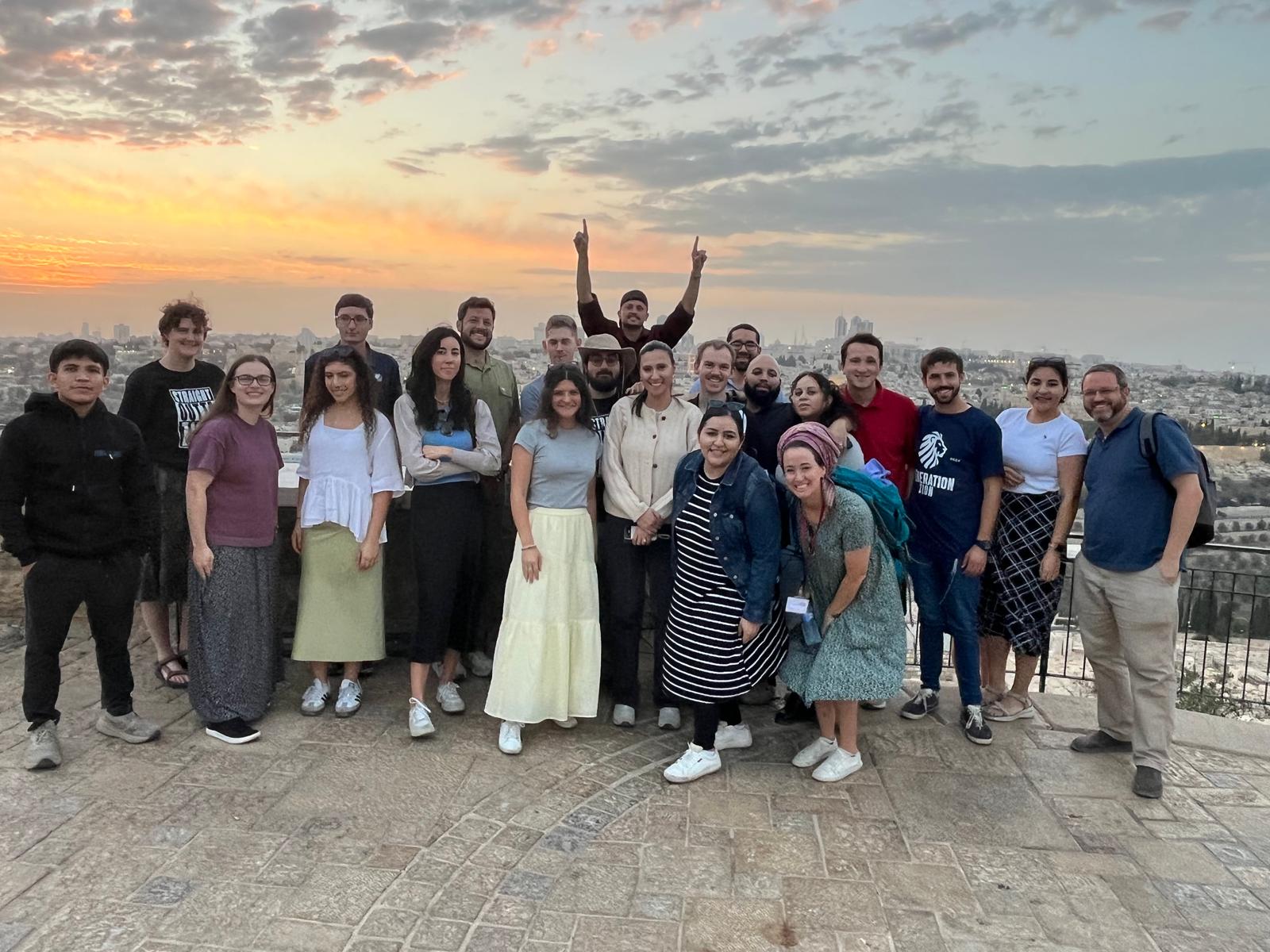
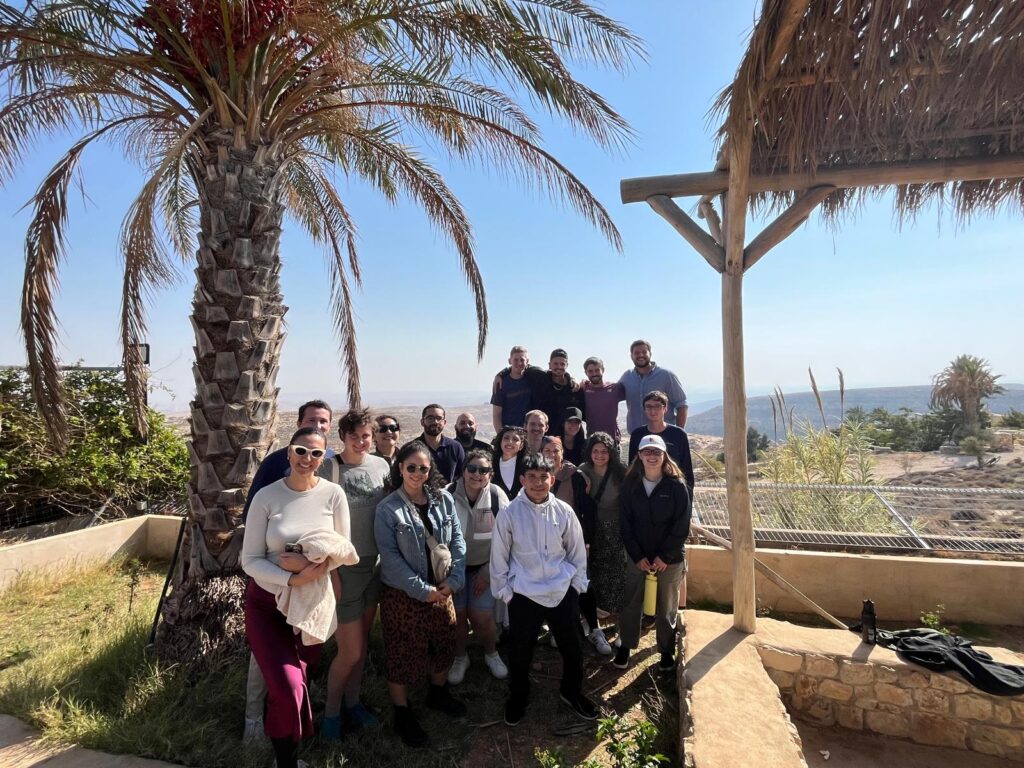
Recently I had the privilege of working with Israel365. As part of that work, I joined an exceptional group of young Christian leaders for their entire time in Israel through Israel365’s Young Leader Fellowship.
These participants don’t come only to hear “talking points” about the war. They come to experience the land of the Bible firsthand—being hosted by Israelis, visiting biblical sites, studying Scripture on location, and returning home with deeper faith and renewed inspiration.
In many ways, it felt like we were continuing the path of Abraham: opening the tent, welcoming others, teaching the ways of God, and then letting them continue on their journey. We don’t try to convert them—because that is not our mission—just as Abraham did not convert those he welcomed.
Only during the conference itself, through conversations and encounters, did I begin to understand what it really means to be a “kingdom of priests and a holy nation.” A holy nation is a people that keeps God’s commandments faithfully. A kingdom of priests is a people that helps other nations connect to faith in the One God—even if each nation connects through its own religious identity.
At AmericaFest—where I met Christians from many denominations—I saw the importance of understanding what “a kingdom of priests” means and what we must do in order to live up to it. My role there was to advocate for Israel, but also to listen.
Some people raised a difficult accusation: that Jews see themselves as the chosen people and therefore look down on non-Jews. I tried to explain that the idea of being “chosen” is not about superiority. It is about responsibility and mission. Just as priests in the Bible are not “better” than the rest of Israel, but are given a unique role—so too the Jewish people are called to a unique responsibility in the world.
Only afterward, when the conference ended, did I realize that in two small moments, I felt a spark of that mission.
One morning, a Christian friend who supports Israel asked me to lead a short prayer before a day of confronting anti-Israel voices. I chose to read from the Torah passage about the priest anointed for war—the passage that a priest would read to the Israelite army before battle, and that many IDF soldiers today also read before going into combat.
And then there was that Friday night meal.
We had created a Shabbat table where Jews and Christian Zionists could sit together, sing together, and speak about faith and responsibility. I spoke about the blessing parents give their children, and we sang the words together in English.
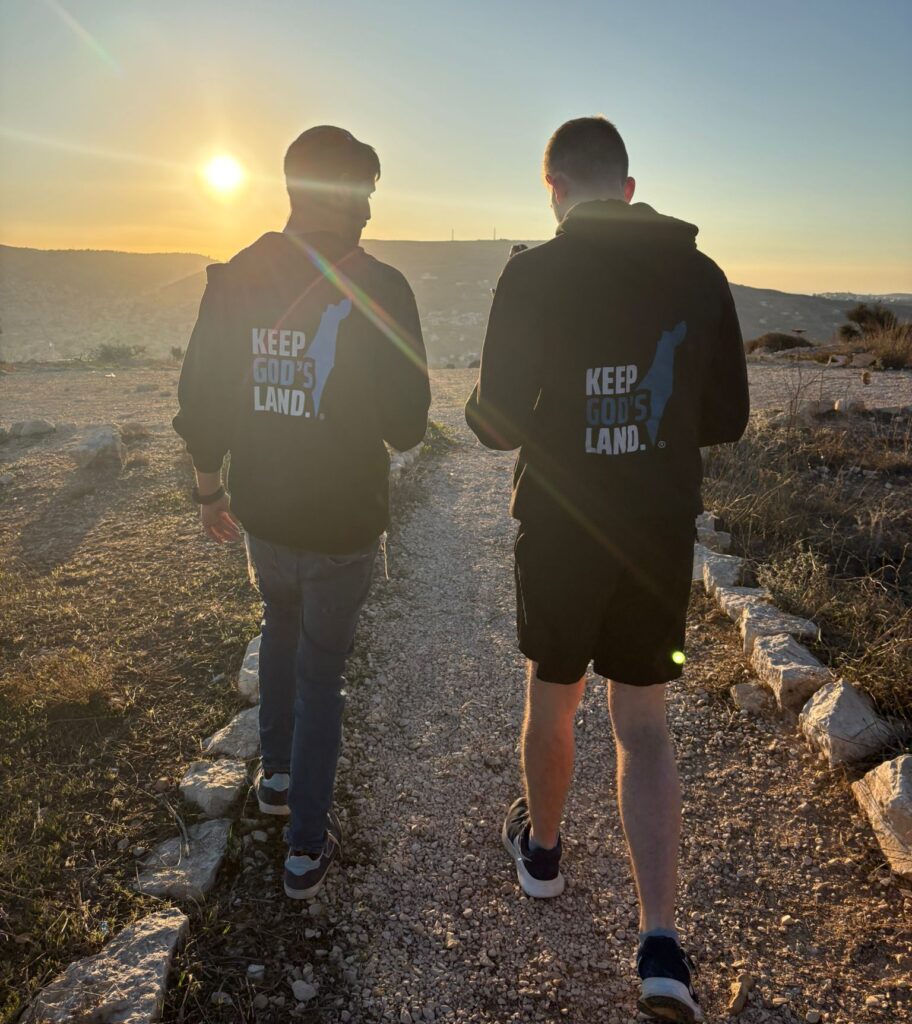
But at the end, they asked me to bless everyone aloud—in Hebrew.
Only when I returned home did I understand what happened in those moments. In a practical sense, I had been allowed to serve as a kind of “priest” to the nations. At their request, I did for them what priests once did for Israel. And it did not come through persuasion or conversion, but through connection.
A kingdom of priests is not built on isolated gestures—a prayer here, a blessing there. The small moments are not the goal. They are a sign that we are walking in the right direction. A priest to the nations does not chase opportunities to bless. When the mission is real, people come on their own and ask for blessing.
To fulfill the command God gives Israel just before the giving of the Torah, we need a very delicate balance: on the one hand, to remain a holy nation—faithful to Torah and commandments. At the same time, we must be a kingdom of priests—knowing how to share the light of God with anyone who truly seeks Him.
With God’s help, if we can hold both values together, we will truly become a kingdom of priests and a holy nation—and we will fulfill the words of Isaiah:
“For My house shall be called a house of prayer for all peoples” (Isaiah 56:7).