



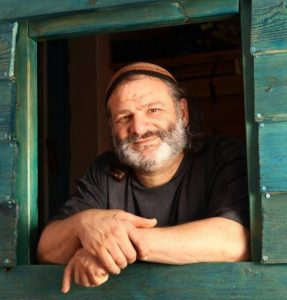
A senior Iranian diplomat, Alireza Jeyrani Hokmabad, has sought asylum in Switzerland, leaving behind his post at Iran’s permanent mission to the United Nations in Geneva. Reports indicate he feared returning to the Islamic Republic due to growing political instability and the intensifying protests sweeping the country. Jeyrani Hokmabad’s move comes amid broader signs of anxiety within Iran’s elite, including reports that Supreme Leader Ali Khamenei has considered leaving the country for Moscow amid escalating unrest.
As the Sages note, leadership that loses divine favor becomes fragile, and the collapse of authority can follow swiftly. Jeyrani Hokmabad’s defection illustrates this principle in a modern context: even those embedded in the structures of power are unwilling to remain under a regime that no longer commands legitimacy.
Jeyrani Hokmabad, previously a counsellor and minister plenipotentiary in Geneva, represented Iran in multiple international economic forums, including United Nations bodies on trade, development, and investment. His decision to leave was influenced not only by personal safety concerns but also by growing awareness of the instability of the Islamic Republic’s governing apparatus. Sources indicate that European governments, observing the waves of protests and international attention, have become more receptive to asylum requests from Iranian diplomats, even when the threat to their lives is not immediately apparent.
This defection is part of a broader pattern. During the Green Movement protests of 2009, several Iranian diplomats resigned or sought asylum in Europe, citing electoral fraud and violent repression by the regime. Among them were Mohammad Reza Heydari, Iran’s consul in Norway, and Ahmad Maleki, consul in Milan. The recurrence of such defections highlights a fundamental truth about the Islamic Republic: when a government rules through coercion and ideological rigidity rather than legitimacy and consent, even its inner circle cannot rely on it for protection.
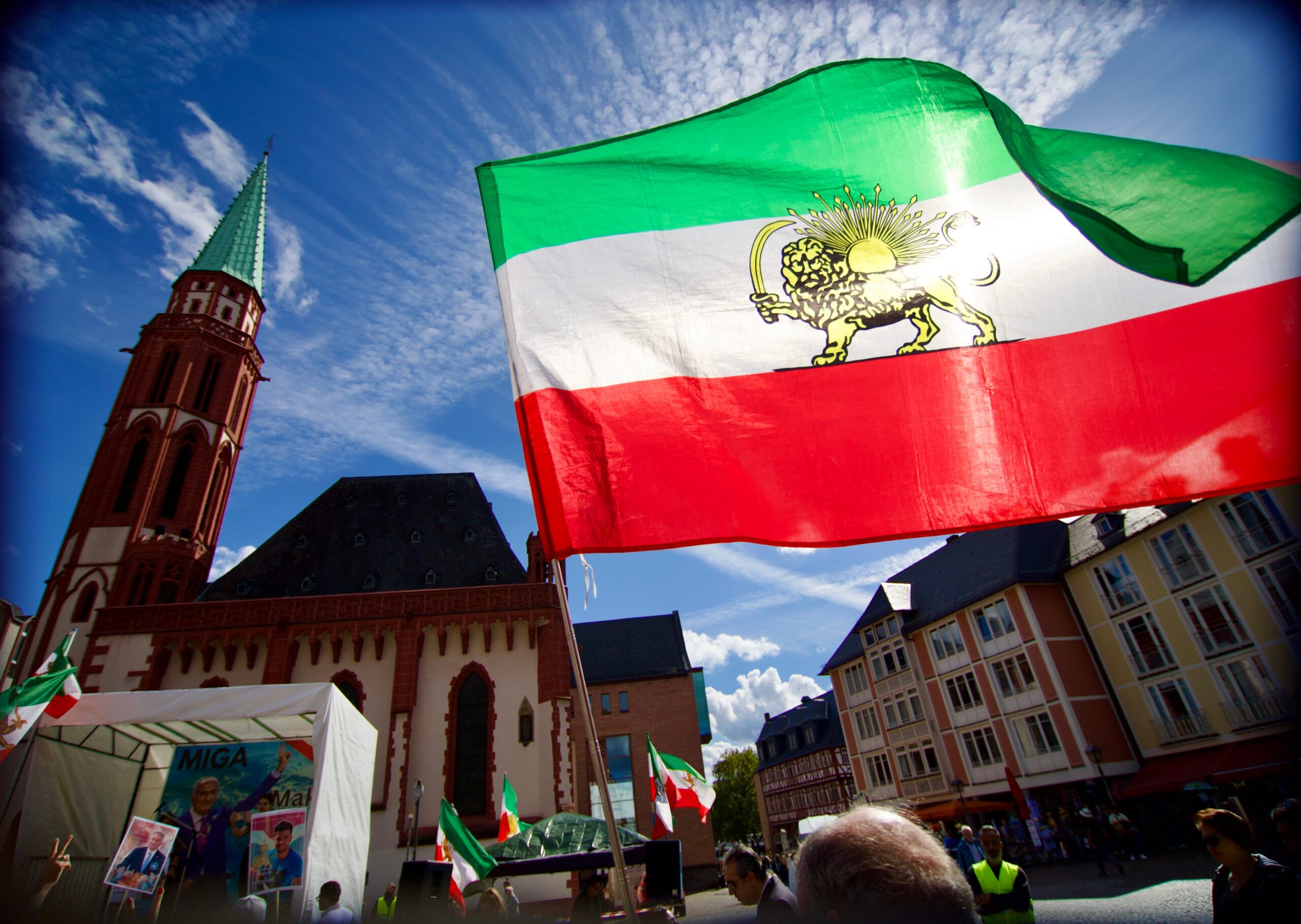
The situation inside Iran remains dire. Protests have escalated, and Iranian citizens continue to flee, particularly toward Turkey. Last week, dozens crossed into Turkey’s Van province through the Kapikoy border gate, bringing belongings and families with them. US President Donald Trump has publicly urged continued protests, emphasizing support for those opposing the regime.
Jeyrani Hokmabad’s asylum request underscores the growing international recognition of the Islamic Republic’s fragility. The combination of mass domestic dissent, high-level defections, and reports of the Ayatollah planning an exit reflects a regime under unprecedented pressure. The Sages repeatedly emphasized that when leadership loses divine protection and public trust, the foundations of authority crumble, leaving even the most powerful vulnerable.
As Iran burns internally, the defection of figures like Jeyrani Hokmabad signals a turning point. Those who once upheld the regime from positions of power now seek safety abroad, leaving behind a leadership increasingly isolated and delegitimized. The international community watches closely, and Israel and allies such as President Trump and Prime Minister Netanyahu are poised for any strategic opportunities this instability may create. The exodus of both citizens and officials alike demonstrates a simple yet powerful reality: tyranny cannot endure when both the people and the enforcers of the regime no longer believe in it.