



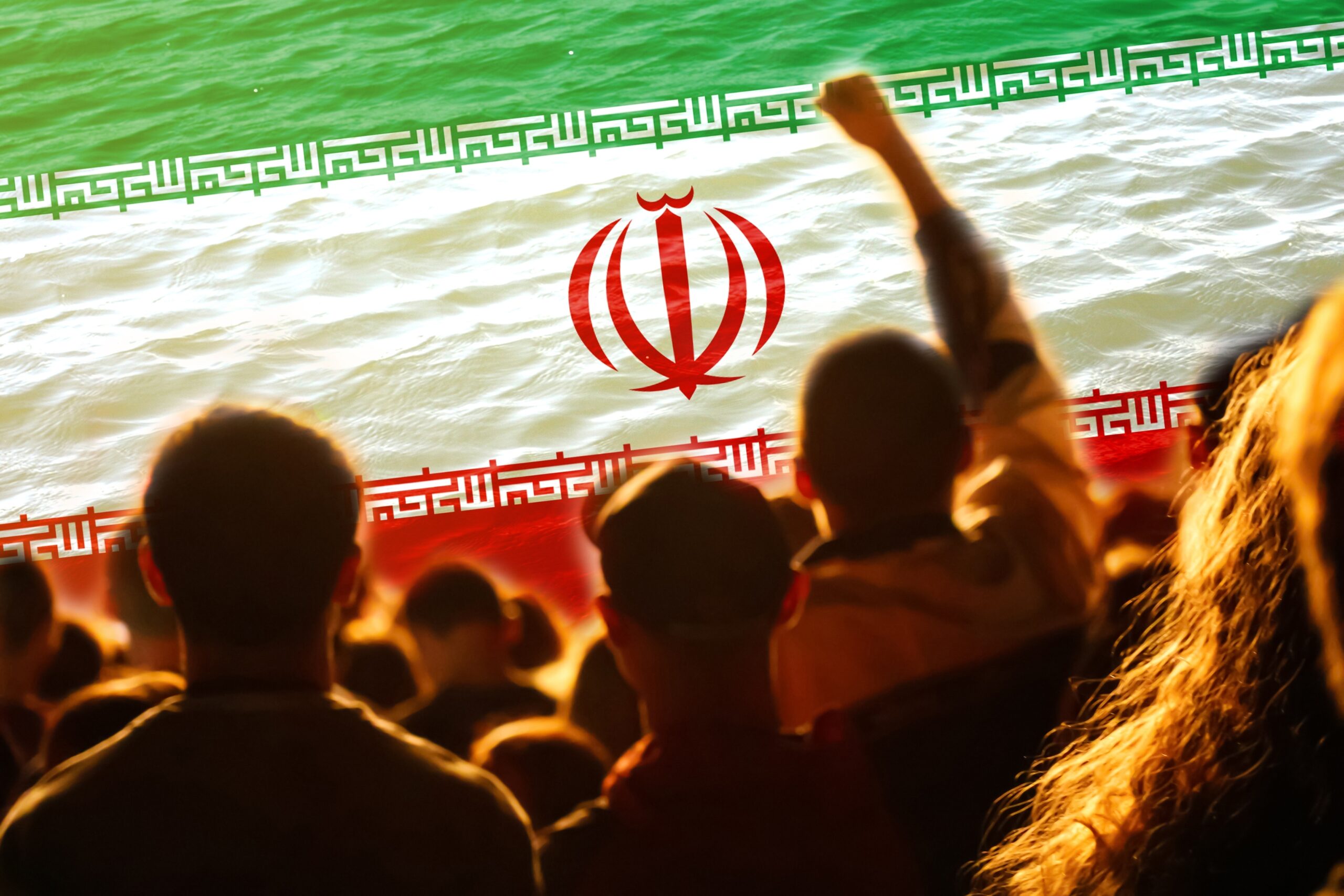
Iranian opposition sources claim the regime killed at least 12,000 people during recent protests in what would be the deadliest massacre in the nation’s modern history. The figures, reported by opposition outlet Iran International, exceed verified counts from human rights organizations and represent what the outlet describes as a coordinated crackdown ordered from the highest levels of government as demonstrations demanding an end to 46 years of theocratic rule swept across Iran.
Iran International reported Tuesday that most deaths occurred on the nights of January 8-9, with killings carried out primarily by Revolutionary Guards and Basij forces acting on orders from Supreme Leader Ali Khamenei. The outlet says the information comes from multiple sources within Iran’s security apparatus, including individuals close to the Supreme National Security Council and the presidential office, as well as personnel from the Islamic Revolutionary Guard Corps in Mashhad, Kermanshah, and Isfahan. Medical officials, eyewitnesses, and families of victims provided additional information. Iran International states it compiled and cross-referenced the data through multiple stages in accordance with strict professional standards, and that the figures represent estimates held by Iran’s own security authorities. The outlet emphasized that these were organized killings, not scattered clashes, with most victims under 30 years old.
HRANA, a US-based human rights organization, has confirmed 646 deaths since protests erupted last month—505 active protesters, including nine children, 133 military and law enforcement personnel, one prosecutor, and seven non-protesting civilians. An additional 579 reported deaths remain under review. Authorities have detained at least 10,721 people, with state media broadcasting 97 forced confessions from detainees.
Iranian officials dismiss international reporting as fabricated propaganda, blaming violence on foreign agents, terrorists, and rioters. Pro-government rallies were staged in several cities in an attempt to project regime stability.
The unrest began when Iran’s currency collapsed under pressure from international sanctions. What started as economic protests spread to 185 cities, transforming into demands to dismantle the theocracy itself. Demonstrators chant “death to the dictator,” referring to 86-year-old Ayatollah Ali Khamenei. The regime responded by severing internet and phone networks on Thursday, though videos continue reaching the outside world, likely transmitted via Starlink satellites.
🚨🇮🇷 STARLINK VS. IRAN’S INTERNET BLACKOUT
— Mario Nawfal (@MarioNawfal) January 10, 2026
Iran cut the internet on Thursday, plunging 90M people into digital darkness as protests hit all 31 provinces, the regime even cut landlines in some areas, but then Starlink pushed through.
Starlink's low-Earth-orbit satellites can't… pic.twitter.com/cMznrkC5nn
President Trump warned Iran against further violence. “Iran wants to negotiate, yes. We might meet with them,” he said. “But we may have to act because of what is happening before the meeting.” Trump previously stated he put Iran “on notice” and promised to hit the regime “very hard” if it continues shooting demonstrators. On Air Force One Sunday, Trump said Iranian leaders were “starting to” cross his threshold for military intervention.
Tehran threatened retaliation against Israel and American bases in the region if attacked. The Israel Defense Forces announced heightened alert status for “surprise scenarios” as the crisis unfolded.
Outside Iran, Reza Pahlavi, the exiled son of the last shah, urged Iranians to continue demonstrating. “Do not abandon the streets. My heart is with you,” he said in a recorded address. “I know that I will soon be by your side.” Some protest videos show crowds calling for Pahlavi’s return to power, though the breadth of this support remains unclear.