




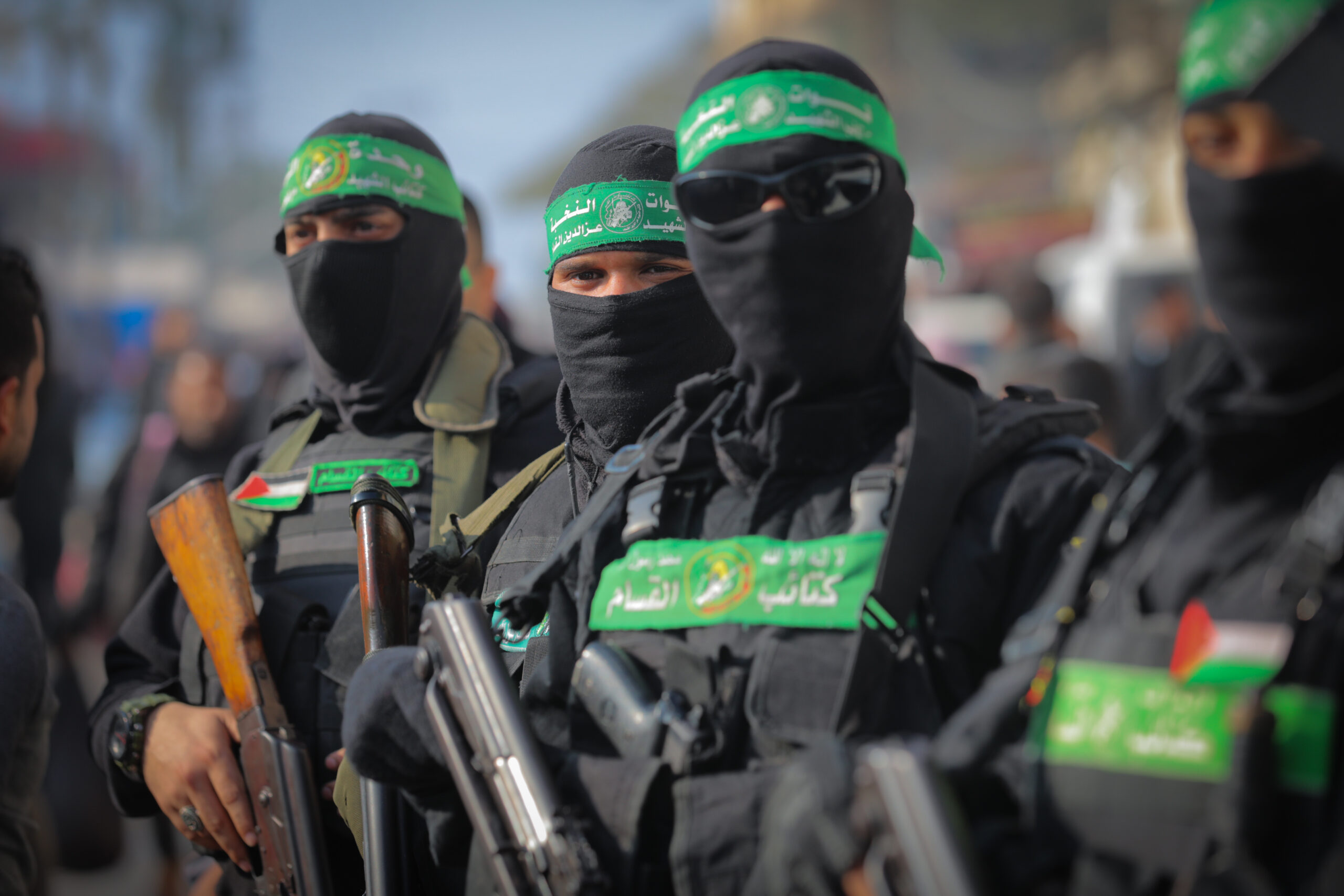
The Ministry of Diaspora Affairs and the Fight Against Antisemitism released a consolidated review exposing sustained and systemic links between Médecins Sans Frontières (Doctors Without Borders, MSF) and terrorist organizations in Gaza. The detailed government report shows MSF employees who concurrently held roles as active operatives in Hamas and Palestinian Islamic Jihad. It documents the refusal by MSF to meet Israeli transparency requirements designed to prevent the exploitation of humanitarian infrastructure by terrorist networks.
This investigation is based not on hearsay but on documented employment histories and statements from MSF’s own publications and leadership, juxtaposed with Israeli intelligence findings. In June 2024, an MSF‑employed physiotherapist, Fadi al‑Wadiya, was a senior weapons expert in Palestinian Islamic Jihad’s infrastructure when he was eliminated by the Israeli Defense Forces (IDF). In September 2024, Hamdi Abd al‑Aziz al‑Shalfouh, a Hamas sniper and Jabalia Battalion operative, worked as an MSF employee while conducting terrorist activities. These are not isolated anomalies but part of a broader pattern outlined in the report.
The investigation directly addresses MSF’s public statements and publications, noting repeated use of extreme rhetoric that goes beyond standard humanitarian reporting. MSF France called on the French government to “put an end to the genocide perpetrated by the Israeli authorities in Gaza … denouncing the genocidal war waged against the Palestinian population,” and said the conflict involved a “deliberate siege and famine” that constituted ethnic cleansing. Another MSF branch, in separate official material, urged that “no French weapons or ammunition are used by the Israeli army in its genocidal war in Gaza.” These statements frame Israel not as a state defending itself against terrorism but as a perpetrator of crimes against civilians.
MSF’s own explanation of its struggles with Israeli authorities makes clear the gulf between its claims and the facts outlined in the government report. In a January 1, 2026, MSF Middle East statement, MSF acknowledged the Israeli demands for registration and staff lists, saying:
Bombshell: The Gaza Humanitarian Foundation's @chapinfay revealed yesterday that Doctors Without Borders refused to treat 20 GHF aid workers injured by Hamas, leaving them to die in the courtyard of Nasser Hospital pic.twitter.com/gDhpa2nDeo
— Eitan Fischberger (@EFischberger) August 15, 2025
“MSF takes such accusations extremely seriously and would never knowingly employ anyone engaged in military activity.” MSF added that unsubstantiated public claims “put humanitarian staff at risk and undermine life‑saving medical work,” and claimed it had engaged with Israeli authorities and “submitted most of the required information.”
Yet the Israeli consolidated review makes the opposite determination, arguing that MSF repeatedly declined to provide comprehensive personnel documentation — especially regarding Palestinian staff — as mandated by government guidelines. Official MSF statements disseminated across platforms contain material undermining Israel’s legitimacy and aligning with terrorist narratives.
MSF’s operational communications suggest political advocacy rather than strict neutrality. In late December 2025, in a separate MSF release regarding Israeli registration rules, the organization warned that restricting NGO access would leave “hundreds of thousands of people in Gaza without lifesaving healthcare.” It appealed to Israeli authorities to ensure “INGOs can maintain and continue their impartial and independent response in Gaza.”
Another MSF publication framed Israel’s military campaign as part of an intentional siege, asserting:
“For more than a year, our medical staff in Gaza have witnessed a relentless campaign … marked by massive destruction, devastation, and dehumanization … Palestinians have been killed in their homes and in hospital beds … People cannot find even the most basic necessities.” In that same report, MSF called on states to end unconditional support for Israel and to fulfill obligations to prevent genocide.
These direct statements from MSF reveal not just humanitarian reporting but narrative framing that mirrors arguments used by Hamas and its international supporters to delegitimize Israel. In contrast, the Israeli government’s review concludes that MSF’s conduct breached essential humanitarian standards and undermined Israel’s right to defend its citizens.
When an organization purporting to be neutral publishes extreme claims without verification and employs individuals later confirmed to be terrorists, the international community cannot treat those claims as unchallenged truth.
This report forces the world to confront uncomfortable facts about the boundaries of humanitarian work when those boundaries are exploited to aid and legitimize terror. Israel’s requirement for full transparency is not a denial of aid but a safeguard to ensure that assistance does not become a tool for Hamas and allied terror entities.
The evidence in the Ministry’s consolidated review demands a reevaluation of MSF’s role in conflict zones where terror groups wield influence. Humanitarian credibility must not be weaponized to shield violent actors from accountability.