In the prophetic vision of our sages, the path to geula, the final redemption, requires not only divine intervention but profound human teshuva (repentance), ethical renewal, and the restoration of righteous leadership. Isaiah promises, “I will restore your judges as at first, and your counselors as at the beginning” (Isaiah 1:26). Yet today in Israel, corruption, nepotism, and power struggles among those meant to serve the people and Torah block this vision. Greed and factionalism delay the rebuilding of the Temple, the seating of a true Sanhedrin in the Lishkat HaGazit (Chamber of Hewn Stone), and the arrival of Mashiach (Messiah). Material successes such as Israel’s tech boom and military resilience are, Thank God, blessings, but they cannot substitute for moral integrity. They often foster complacency: Why cry out for a Messianic leader when innovation and strength seem sufficient?
The parallels to ancient times are sobering. The Second Temple’s destruction stemmed from sinat chinam (baseless hatred) and internal decay, including violent factionalism such as that between the camps of Shammai and Hillel (Talmud Shabbat 17a). Priestly nepotism under Roman influence turned sacred roles into political prizes. History warns us: When leaders elevate sons over merit, justice erodes, and redemption stalls.
In contemporary Israel, the pattern persists. Long-running political trials for bribery, fraud, and breach of trust highlight how entrenched power blurs lines. Coalition dynamics amplify this: Ultra-Orthodox parties secure yeshiva funding and exemptions, often prioritizing sectarian gains over national good. Recent scandals include allegations of nepotism in rabbinical appointments, in which entrenched familial patterns prioritize lineage over merit, prompting High Court interventions to address fixed elections and favoritism. The Chief Rabbinate, intended to embody Torah authority, faces accusations of cronyism that erode public trust. The left-wing party, Yesh Atid, withdrew from the 2025 World Zionist Organization elections, citing corruption and political cronyism, including reported offers of senior roles tied to family interests. These are not isolated anomalies; they reflect a drift from Deuteronomy’s mandate: “You shall appoint judges and officers, and they shall judge the people with righteous judgment. You shall not pervert justice; you shall not show partiality” (Deut. 16:18-19).
Current examples underscore the urgency. The 2025 judicial reform law, which altered the Judicial Selection Committee to grant politicians greater control over judge appointments, has been criticized as politicizing the judiciary and undermining democratic checks. This move, passed amid ongoing debates, echoes fears of executive overreach similar to earlier overhaul attempts. Meanwhile, the late 2025 scandal involving the Military Advocate General, Maj. Gen. Yifat Tomer-Yerushalmi, who resigned and was arrested over leaking a video of alleged detainee abuse at Sde Teiman prison, highlights potential cover-ups in military justice. Such incidents, alongside investigations into Histadrut labor union bribery networks linked to Likud ministers, reveal systemic issues in which public trust erodes under the weight of favoritism and fraud.
Even worse, religious communities sometimes discourage accountability. The mitzvah of tochachah (rebuke) (Lev. 19:17), and the command not to stand idly by the blood of your neighbor (Lev. 19:16) demand we call out wrongdoing. Yet fear of being labeled a moser (informer), silences voices, even when halachic authorities affirm reporting serious crimes in democracies. This cultural pressure shields the powerful, thereby inverting Phineas’s zealotry (Numbers 25), in which he feared Hashem above all. Where are today’s Phineases, those who illuminate the shadows?
A recent American example offers hope and a model. In late December 2025, 23-year-old citizen journalist Nick Shirley posted a 42-minute video titled “I Investigated Minnesota’s Billion Dollar Fraud Scandal.” Visiting multiple day care centers allegedly receiving millions in taxpayer subsidies through the Child Care Assistance Program, Shirley documented empty facilities, no children, locked doors, despite records showing massive funding. The video exploded, amassing over 100 million views on X, praise from Vice President JD Vance and FBI Director Kash Patel, and a federal freeze on child care payments to Minnesota. Investigations surged, with agents conducting door-to-door checks. Other regions began raising voices almost immediately, with the shadows disappearing.
This was no riot or chaos, just righteous illumination: on-the-ground evidence, public sharing, and pressure on authorities. Shirley, a Mormon, feared neither backlash nor powerful interests; he acted persistently, prompting scrutiny where official oversight had long lagged amid broader Minnesota fraud scandals.
Imagine this in Israel: Concerned citizens, rabbis, laypeople, or journalists, documenting questionable yeshiva allocations, rabbinical elevations with nepotism red flags, or budget perks that favor factions. No confrontation is needed; only factual videos, public records, and responsible sharing. This aligns with Torah: Start with private rebuke, then escalate for justice. Modern poskim affirm such actions when protecting vulnerable individuals or public funds, thereby overriding outdated mesira fears in open societies.
To break the cycle, we must reclaim the Torah’s tavnit (blueprint), the blueprint of merit-based, transparent leadership. A practical plan:
- Restore Ethical Judges: Convene a diverse national ethics council (all respected leaders) with public nominations, term limits, and strict anti-nepotism rules. Use technology, blockchain for asset disclosures, to ensure transparency.
- Mandate Accountability: Establish a “Torah Ombudsman” for internal whistleblower protections. Honor informants as zealots for God, providing community support against shunning.
- Rebuild Toward Sanhedrin: Once judges are merit-based, expand via Maimonides’ consensus model (Hilchot Sanhedrin) to seat a legitimate Sanhedrin. Tie Temple rebuilding to ethical groundwork first.
- Safeguards: Annual public audits (inspired by Temple oversight in Mishnah Shekalim) and yeshiva curricula emphasizing ethics alongside Gemara.
Many religious people believe geula arrives through Torah study alone (Sanhedrin 98b), but prophets demand justice too (Amos 5:24). We have strayed far, beyond a Shabbat’s journey, from the Torah’s ideal. Yet teshuva is return. One voice, like Shirley’s, can shift tides.
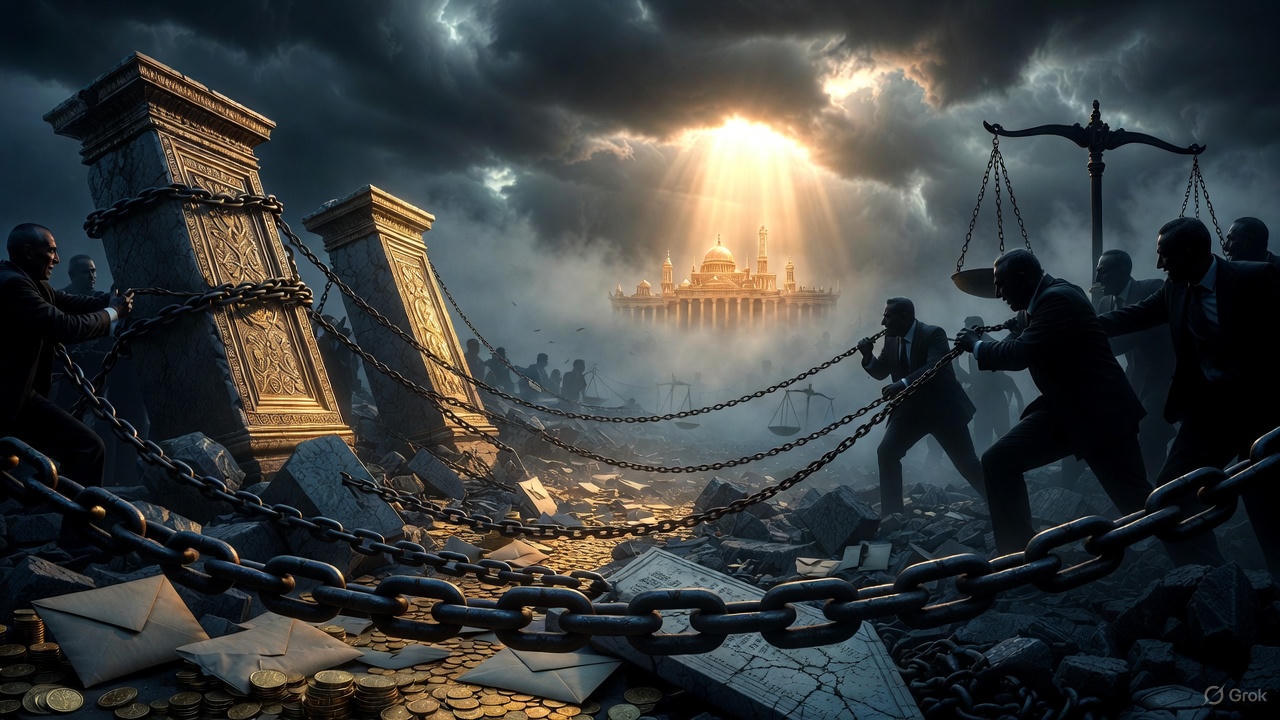
The time for silence is over. The chains of corruption that block geula can be broken, not through force or politics, but through righteous persistence, as demonstrated in corrupt Minnesota. If one person can illuminate such shadows there, imagine what hundreds of concerned Jews in Israel can achieve here.
We need a Torah Ombudsman today: an independent, transparent body to receive reports of ethical lapses, promote whistleblowing protections under halacha, and demand merit-based leadership, starting with humble, respected voices who embody yirat shamayim (fear of Heaven) and integrity.
Rabbis like Rabbi Yuval Cherlow (Rosh Yeshiva of Yeshivat Amit Orot Shaul and Director of Tzohar’s Center for Jewish Ethics, which since 2015 has shaped a right and just Israeli society through thoughtful halachic engagement on public issues) and Rabbi David Stav (Chairman of Tzohar, Chief Rabbi of Shoham, and a tireless bridge-builder for inclusive, ethical Jewish life) represent the humble strength we seek. Their work through Tzohar, fostering transparency, accessibility, and moral clarity, makes them ideal founding figures for this initiative.
To the people: Seek out these leaders. Contact Tzohar or similar forums. Request… no, demand that they convene a council now. And yes, you can help launch this outside any political influence. Visit TorahOmbudsman.com to submit reports anonymously, learn more, and support the effort. Share Torah resources on accountability, and build a community of supporters.
One fearless step to spark a movement of teshuva.
Fear Hashem, not man. Illuminate the shadows. Restore the judges of old. Geula awaits those who act in righteousness today.