




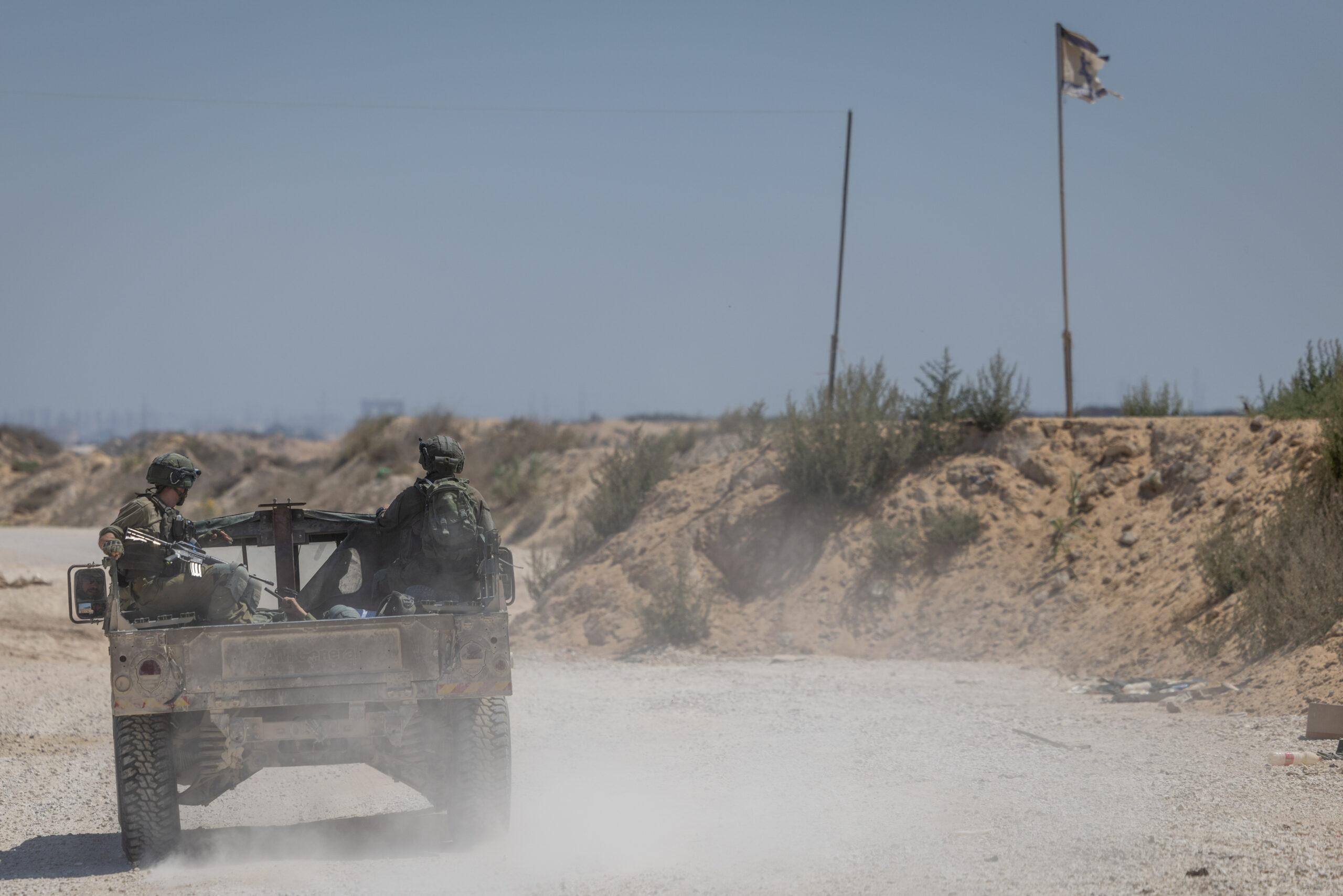
The IDF’s newly released casualty figures for 2025 cut through slogans and abstractions and force a reckoning with the human cost of Israel’s longest and most complex war in decades. Behind every statistic is a name, a family, and a life interrupted by duty. The numbers show a sharp decline in battlefield deaths compared to the previous year, reflecting reduced combat intensity in Gaza, but they also expose another front of the war that has not eased at all: the psychological toll carried home by Israel’s soldiers.
In 2025, the IDF reported that 151 soldiers were killed while serving in regular service, career service, and the reserves. Of these, 88 were killed during operational activity, a dramatic drop from the previous year. Three soldiers were killed in terror attacks carried out by terrorists. Fifteen soldiers died from illness. Twenty-four soldiers were killed in accidents, including 17 civilian traffic accidents, one military traffic accident, one weapons-related incident, and five other accidents. No fatalities occurred during training exercises. The military also reported 21 cases of suicide, either ruled as such or still under investigation.
By comparison, 2024 was the bloodiest year for the IDF in decades. A total of 363 soldiers were killed, including 295 during operational activity and 11 in terror attacks, during the first full year of fighting following Hamas’s October 7, 2023, onslaught. That year also recorded at least 21 suspected suicides, 23 accidental deaths, and 13 deaths from illness. The contrast between the two years is stark. Combat deaths dropped sharply in 2025. Suicide numbers did not.
The persistence of suicide at roughly the same level, despite fewer battlefield fatalities, is the most disturbing finding in the report. The war’s intensity may have declined, but its psychological aftershocks have not. Reservists, many of whom returned to civilian life after prolonged and traumatic deployments in Gaza and on other fronts, have been particularly vulnerable.
Earlier on Tuesday, IDF Chief of Staff Lt. Gen. Eyal Zamir instructed the military to implement recommendations from a committee examining suicides linked to psychological trauma from service. The IDF has appointed suicide prevention officers in every unit and deployed an extensive network of mental health professionals across combat sectors, including approximately 1,000 specialists serving in both regular and reserve capacities.
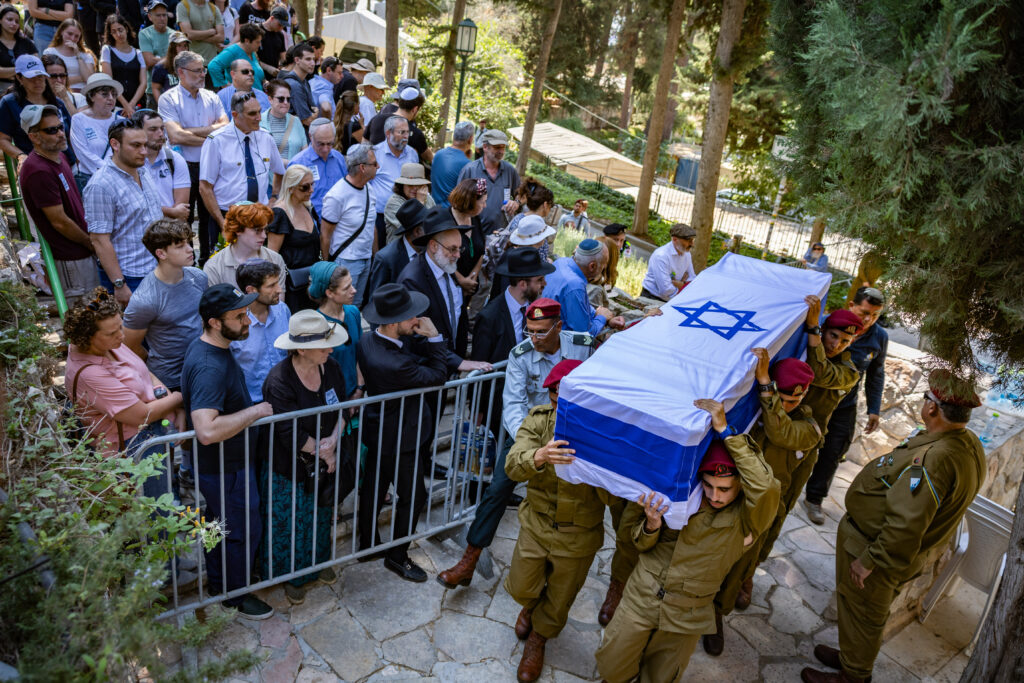
Head of the IDF Manpower Directorate Brig. Gen. Amir Vadmani described the figures without euphemism. “151 fallen IDF soldiers were added this year—a painful and difficult number. Every fallen soldier is an entire world,” Vadmani said. “With them, 151 families have joined the circle of bereavement. We embrace them and are committed to providing the full professional and human support available to us.”
Vadmani emphasized that the army is reassessing its systems after years of sustained operational strain. “We are constantly examining ourselves and preparing in a meaningful way for the coming year, understanding that many soldiers need adjustments to our programs after the heavy burden of the past two years,” he said. He added that the IDF is expanding long-term rehabilitation and mental health support for both wounded soldiers and those carrying invisible scars.
In a significant policy shift, the IDF and the Defense Ministry announced that civilian suicides may be officially recognized as fallen soldiers if the individual took their own life within two years of completing service during the 2023–2025 Israel–Hamas War and specific criteria are met. The decision reflects the army’s acknowledgment of the war’s unique intensity and duration, and the documented spike in suicides among reservists months after their return from combat zones.
The Bible does not allow a nation to treat its fallen as numbers. When King David ordered a census motivated by power rather than responsibility, the consequences were severe. The Bible records the principle with chilling clarity: “So the Lord sent a plague upon Israel from the morning until the appointed time; and there died of the people from Dan even to Beersheba seventy thousand men” (II Samuel 24:15). The Sages explain that counting lives without humility and accountability strips them of their divine value.
Israel’s strength has never rested only on military capability. It rests on the recognition that every soldier is an entire world, created b’tzelem Elokim, in the image of God. The decline in combat deaths in 2025 is a strategic and operational fact. The unchanged suicide numbers are a moral alarm. The war with Hamas’s terrorists may be shifting phases, but the obligation to guard the lives and souls of Israel’s defenders remains absolute. A nation that understands this does not merely survive wars. It earns the right to endure.