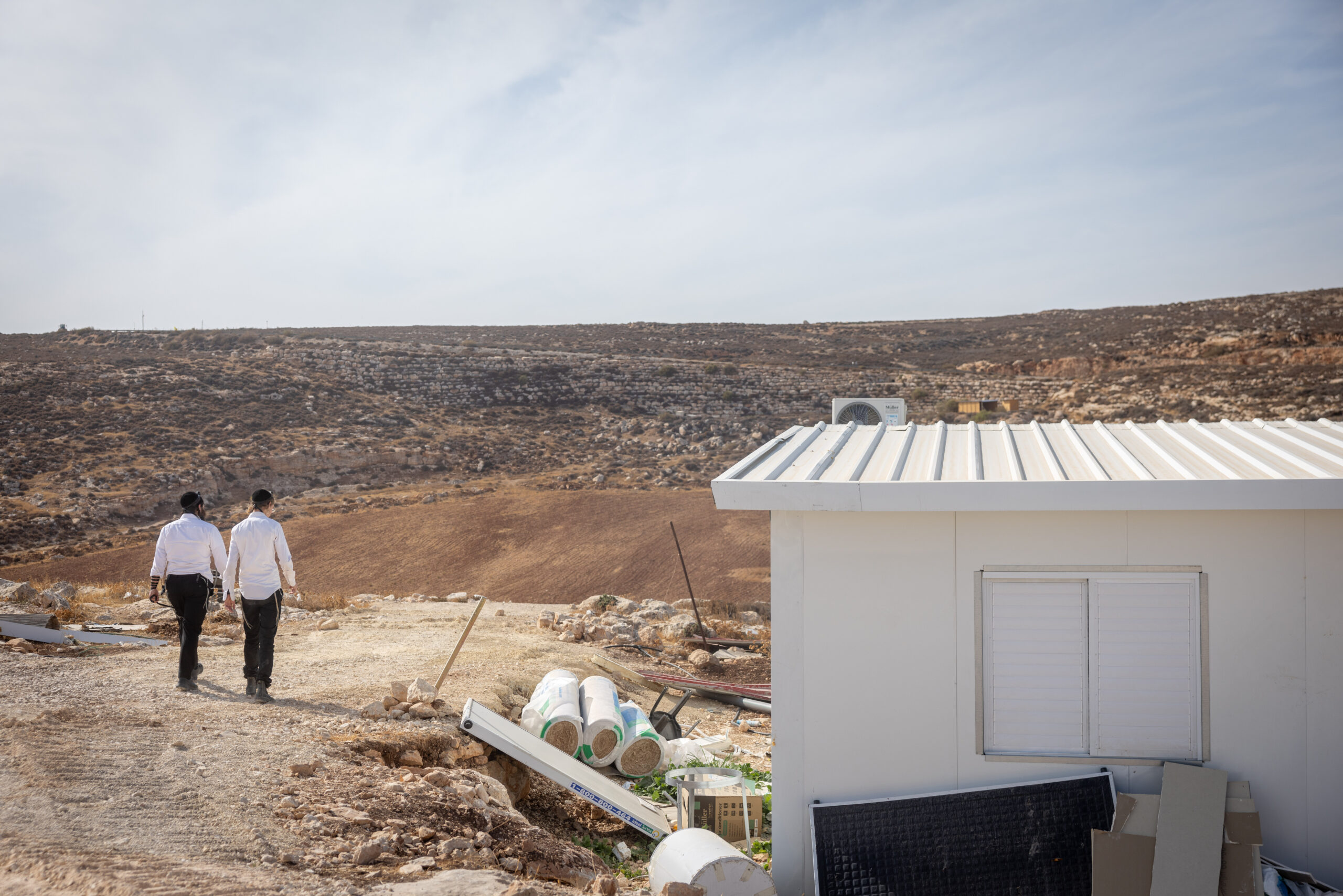
Israel Grants Final Approval for 764 New Housing Units in Judea and Samaria
The Israeli government has officially greenlit the construction of 764 new homes in Judea and Samaria, as approved by the Supreme Planning Council of the Israeli Defense Ministry’s Civil Administration. This milestone follows a long process and paves the way for the publication of the plans and the initiation of the building permit phase.
The approval includes 478 units in Hashmonaim, a town located near the pre-1967 Green Line close to Modi’in, 230 units in Beitar Illit, and 56 homes in Givat Ze’ev, two communities just outside Jerusalem. Finance Minister Bezalel Smotrich, who oversees the Civil Administration, expressed that this approval was part of a broader effort to strengthen Israeli settlements and secure the future of the state.
🚨 HISTORIC: 6 Samaria Communities Officially Legalized
— Mossad Commentary (@MOSSADil) December 9, 2025
Israel has fully recognized Ahiya, Harasha, Migron, Nofei Prat, Adei Ad, and Shvut Rachel as official towns.
• Full legal status
• Municipal recognition
• Settlement symbols granted
• Years of uncertainty resolved… pic.twitter.com/0rxNFuQu1i
“Today’s approval is a step toward continuing our mission—linking security with settlement and fostering growth for Israel’s future,” Smotrich said, reflecting on the recent strategic moves to expand settlement.
Since the beginning of the current term, the government has approved over 51,000 new homes in Judea and Samaria, with Prime Minister Benjamin Netanyahu driving this initiative. Additionally, six outposts in Samaria were granted formal recognition, strengthening Israel’s territorial claims in the region.
With the number of Jewish residents in Judea and Samaria now exceeding half a million, the push for sovereignty over these territories has gained momentum, with most Israelis supporting the full annexation of the region. A recent poll revealed that nearly 70% of Israelis back extending full legal sovereignty over Judea and Samaria.
Israel Katz: IDF Should Maintain Presence in Syria
Israeli Defense Minister Israel Katz asserted that Israeli forces should remain in Syria as a defensive buffer, particularly to prevent jihadist groups from threatening the Galilee and the Golan Heights. Speaking after receiving a security briefing at the IDF’s Northern Command base in Safed, Katz emphasized Israel’s commitment to safeguarding its citizens from regional threats.
War is inevitable https://t.co/K65CIkTR1r
— עמיחי שיקלי – Amichai Chikli (@AmichaiChikli) December 9, 2025
Since the fall of the Assad regime in late 2024, Israeli forces have maintained a strategic presence in southern Syria, establishing a buffer zone to protect against the growing threat from hostile groups, including Iranian-backed militias. Despite ongoing tensions, Israeli officials have indicated that they are open to negotiations with the Syrian regime, though under strict conditions that prioritize Israel’s security needs.
Israeli Prime Minister Benjamin Netanyahu has been clear in his position, stating that Israel will not make concessions that could compromise its security, especially in light of the events of October 7, 2023. These policies are seen as crucial to maintaining stability in the region and preventing future attacks on Israel.
The ongoing situation on the Israeli-Syrian border remains tense, with periodic clashes reported, particularly near the Quneitra area. As Israel strengthens its defensive posture, officials continue to monitor the situation closely, ensuring that security remains a top priority.
Shekel Reaches Strongest Level in Over Three Years
The Israeli shekel hit a significant milestone on Tuesday, strengthening to its highest value in over three years, trading at 3.21 per U.S. dollar. This surge reflects multiple economic factors, including anticipated interest rate cuts in the U.S., which have widened the gap between the dollar and shekel, making the latter more appealing to investors.
The currency’s robust performance is also attributed to positive economic data from Israel, including strong defense exports and an uptick in foreign investment, particularly in Israeli startups. These factors, combined with Wall Street’s continued growth, have led to a favorable environment for the shekel.
The Bank of Israel recently set the official shekel-dollar exchange rate at 3.21, reflecting a 0.58% decrease from the previous trading day. The shekel also gained ground against the euro, reaching its highest level in nearly three years.