U.S.-Backed Humanitarian Centers Expand in Gaza as Hamas Control Appears to Weaken
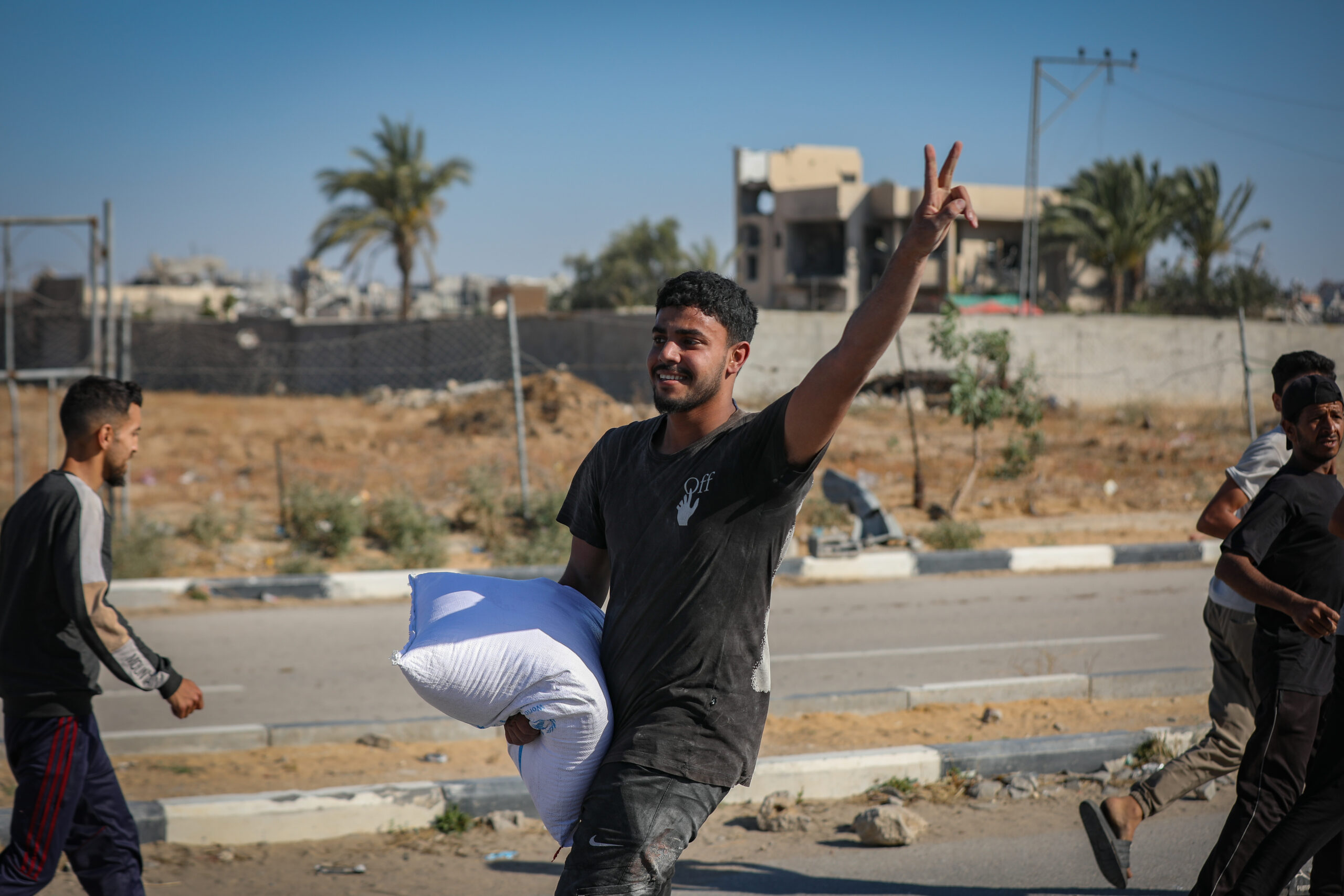
A third humanitarian aid center has begun operations in central Gaza, part of an American-led initiative to deliver direct relief to civilians in the region. Positioned south of the Netzarim axis, the new site adds to two existing centers in Rafah and is expected to assist hundreds of thousands weekly.
The Gaza Humanitarian Foundation (GHF), an independent U.S.-based organization established earlier this year, is coordinating the effort. Unlike many international aid programs, GHF functions separately from the United Nations and aims to distribute aid without interference from Hamas. Security is provided by American contractors, with Israeli forces overseeing operations remotely.
According to Israeli security sources, the program may be contributing to a decline in Hamas’s influence over the civilian population. One official noted signs that fear of the group is diminishing—highlighting a recent incident in which local residents looted a Hamas warehouse. While it remains too early to call this a broader trend, officials view the development as significant.

The new aid center’s location is also part of a wider effort to move civilians southward from Gaza City and northern areas. According to Army Radio’s Doron Kadosh, those who cross into the southern corridor for aid are not allowed to return north, effectively making the passage one-way.
GHF reported that two individuals have needed medical attention at the aid centers—one due to dehydration, another because of injuries sustained while seeking assistance. The organization refuted claims of widespread violence at the distribution sites, attributing such reports to disinformation from Hamas-affiliated sources.
In the past day alone, the Rafah centers distributed nearly 400,000 meals without incident. The initiative reflects a strategy to provide humanitarian support directly to Gazans while circumventing Hamas control.
Israeli Activists Mobilize at Samaria Village After Repeated Rock Attacks
Residents of Jewish communities in southern Samaria have pledged to block access to the Palestinian town of Al-Lubban ash-Sharqiya in protest against a series of stone-throwing incidents targeting Israeli drivers.
The initiative, announced by locals from Eli, Shiloh, and Ma’aleh Levonah, includes daily gatherings for morning prayers at the village entrance, beginning at 7 a.m. Protesters say the demonstrations will continue until the regional brigade commander addresses their security concerns.
This response follows an initial protest held earlier in the week outside the village, located alongside Route 60, a major thoroughfare in the region. According to residents, the road—particularly the section near local schools—has seen a rise in rock-throwing since the fatal shooting of Israeli civilian Tzeela Gez on May 14.
Local activists circulated a message urging immediate action: “Wake up before it’s too late! Following multiple rock-throwings from Lubban, we say enough!!”
Binyamin Regional Council head Israel Ganz reported he has spoken with senior military officials about the escalating situation. In a message to residents, he advocated treating stone-throwing as seriously as shooting attacks due to the potential for lethal outcomes.
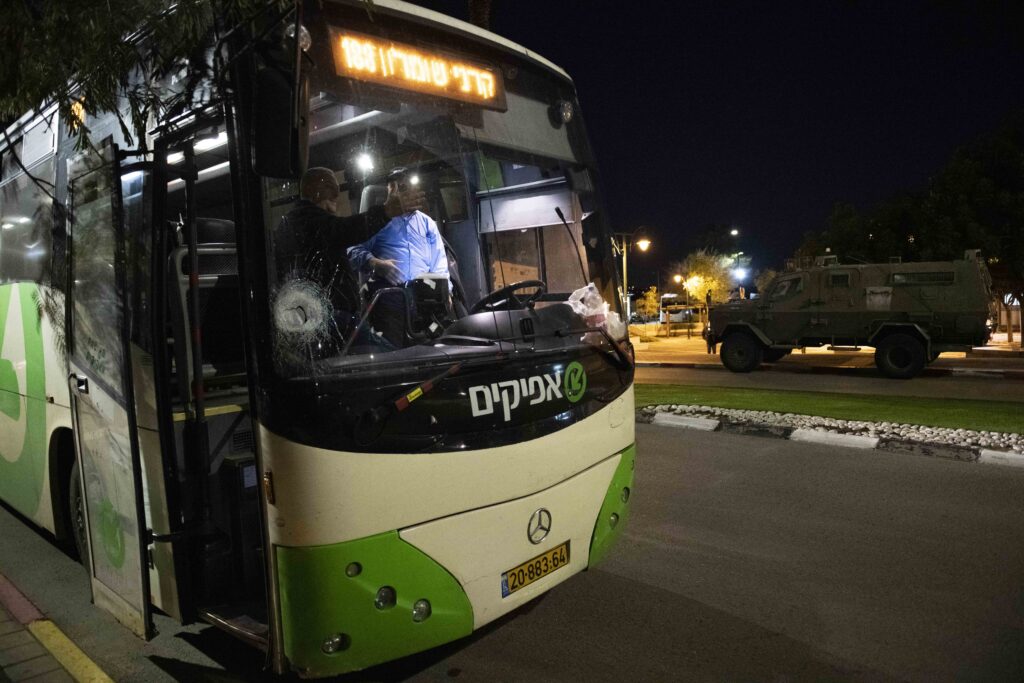
Ganz also noted that the IDF had recently removed an olive grove believed to be used as a launch point for attacks. He called the operation a “good start,” adding that senior military commanders have committed to a policy of zero tolerance.
According to data from Rescuers Without Borders (Hatzalah Judea and Samaria), over 6,300 terror-related incidents occurred in the region during 2024. These included thousands of rock and Molotov cocktail attacks, as well as arson, shootings, and the use of explosives. The organization reported 27 Israelis killed and more than 300 injured last year.
Lebanese Forces Target Hezbollah Positions Using Israeli Intelligence
Lebanese military operations aimed at dismantling Hezbollah’s infrastructure in southern Lebanon have made unexpected progress, aided by intelligence provided by Israel via the United States, according to The Wall Street Journal.
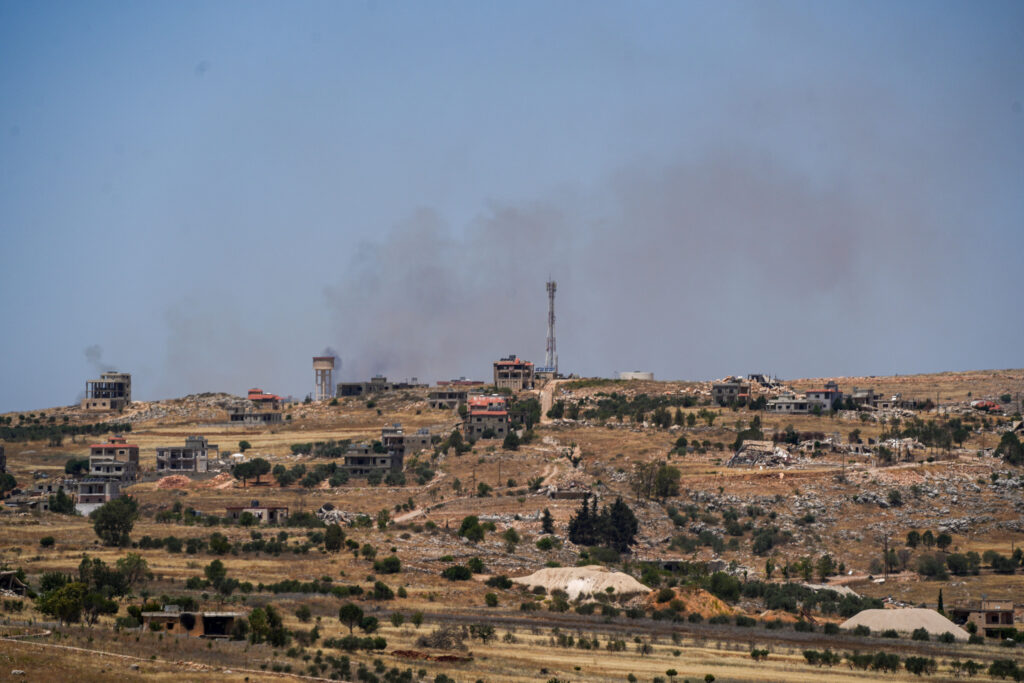
The campaign, which began following a ceasefire agreement between Lebanon and Israel in November, has resulted in the removal of many Hezbollah outposts and weapons caches from areas south of the Litani River. Lebanese Prime Minister Nawaf Salam told the Journal that approximately 80% of the country’s objectives in the region have been met, stating, “The state should have a monopoly on arms.”
Officials from Israel and the U.S., along with senior Arab sources, expressed surprise at the effectiveness of Lebanon’s military actions. One Israeli defense official described the Lebanese Army as operating “way more effectively than expected.”
Despite the gains, doubts remain about whether Hezbollah will fully comply with disarmament. While the group appears to be cooperating in the south—possibly to maintain international support—it continues to hold considerable power across Lebanon, particularly in Shia-majority regions.
Analysts warn that extending the disarmament campaign beyond southern Lebanon will be far more difficult. In particular, efforts to curb the influence of Palestinian factions in refugee camps and Hezbollah’s northern presence pose significant challenges.
In April, Lebanese authorities arrested members of a Palestinian group responsible for firing rockets into Israel, signaling a potential shift in enforcement. However, experts caution that Hezbollah’s broader disarmament would likely require diplomatic pressure, possibly by linking aid to compliance.
Meanwhile, Israel continues to carry out targeted strikes and covert operations against Hezbollah throughout Lebanon. These actions have resulted in the deaths of key commanders and substantial damage to the group’s military infrastructure, reducing its domestic standing.
On the Israeli side, the IDF’s 146th Division—known as the Bang Formation—has concluded its operations in northern Israel and southern Lebanon after nearly two years. The 91st Division, or Galilee Formation, is now resuming responsibility for border security.
“You played a central role in fundamentally transforming the security reality,” Northern Command chief Maj. Gen. Ori Gordin told troops, acknowledging their part in protecting Israeli communities and pushing back Hezbollah’s operational capabilities.